
Prioritizing OT (operational technology) cyber security is not just about protecting digital assets; it is about safeguarding the very infrastructure that underpins modern society. Critical infrastructure, such as water supply, energy grids and transportation systems, relies heavily on OT systems. Disruptions to these systems can have catastrophic effects on public health, safety and economic stability.
“By elevating OT cyber security to a board-level concern, organizations demonstrate their commitment to protecting these essential services,” said Robert Putman, Global Manager, ABB Cyber Security Services.
Highlighting asset cyber risk at SWAN
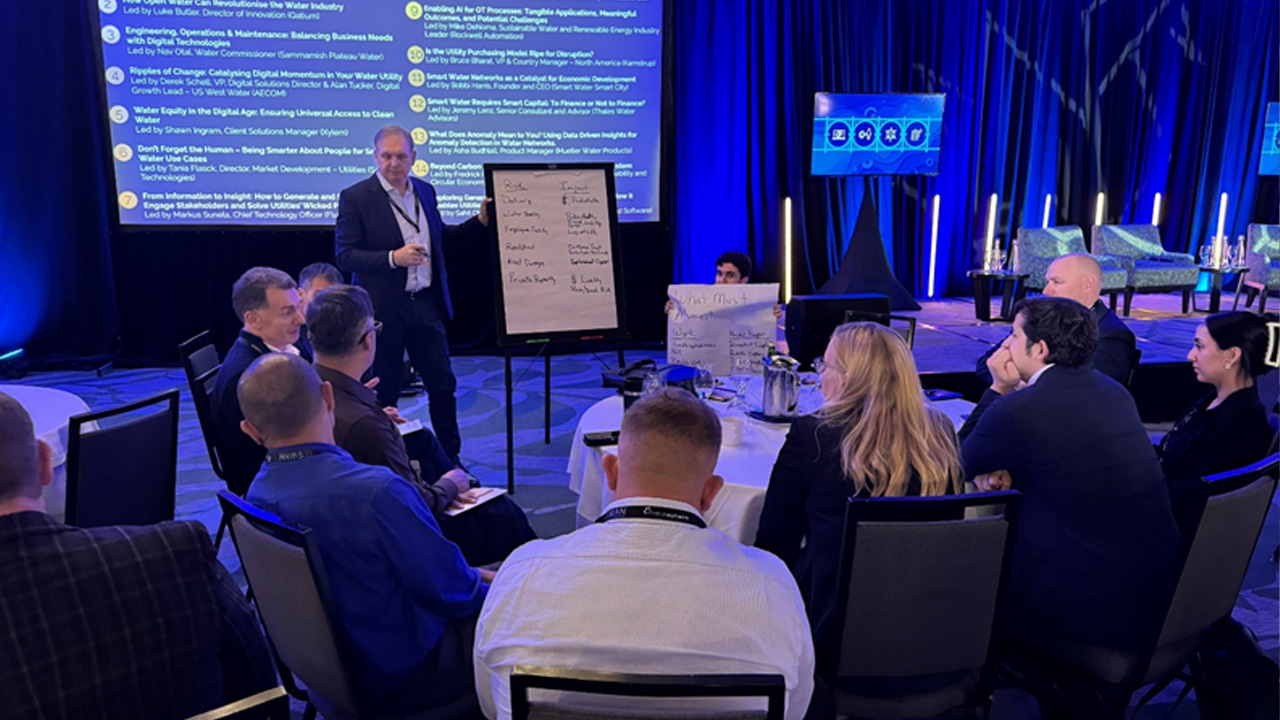
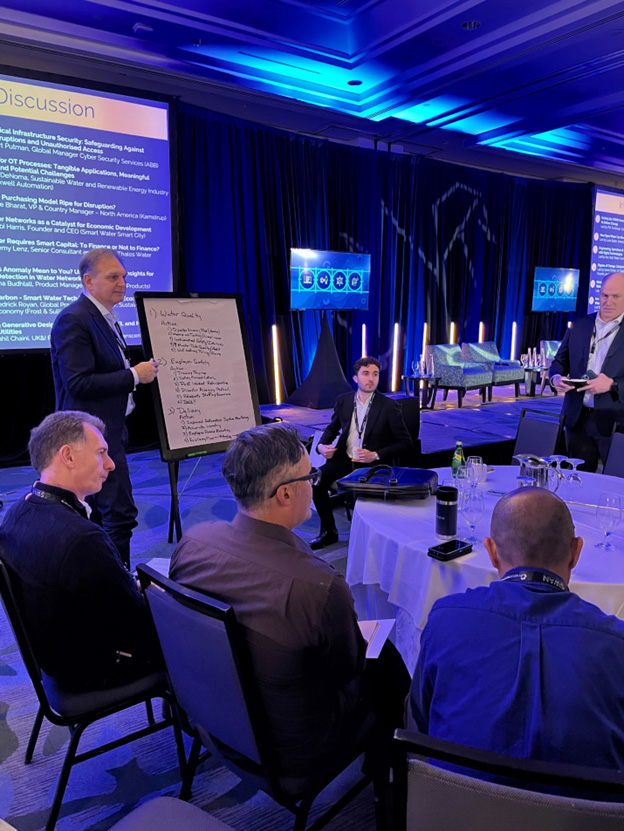
During the SWAN 2024 Conference, Putman led a roundtable focused on asset cyber security risk within the water industry. The session included a practical, one-hour risk modeling exercise designed to identify and strategize the management of high-impact risks. Participants engaged in an ad hoc risk modeling activity that underscored the importance of robust cyber security measures.
Putman initiated the discussion by emphasizing the need for a board's commitment to integrating digital into their strategy. This includes establishing robust inbound and outbound communication from automation system environments, ensuring that critical operations remain resilient against cyber threats. The key questions guiding the session were: "What must always work?" and "What must never happen?". These questions framed the critical thinking required to protect essential water services.
Identifying top risk areas
The group successfully identified three key areas of risk that require effective management:
- Water quality: Ensuring that water remains safe and meets health standards is paramount. Cyber security measures must protect against any threats that could compromise water quality.
- Employee safety: Safeguarding the workforce from potential cyber-induced hazards is crucial. Effective cyber security protocols help prevent incidents that could endanger employee safety.
- Service delivery: Maintaining uninterrupted water delivery is essential for community well-being and economic stability. Strategies must be in place to protect the systems that ensure consistent water distribution.
Engaging customer perspectives
The roundtable offered valuable insights into how customers perceive their business risks and cyber security needs. With 15 participants in Putman's breakout group and over 200 attendees in the room, the session provided a diverse array of viewpoints, enhancing the understanding of industry-specific challenges.
OT cyber security's elevation to a board-level priority reflects its critical role in protecting infrastructure and ensuring service continuity. Exercises such as the one at the SWAN event highlight the importance of proactive risk management and strategic planning in addressing the complex cyber security landscape.
“As utilities continue to digitize and interconnect, robust cyber security frameworks will be indispensable in safeguarding essential services and maintaining public trust,” added Putman.


