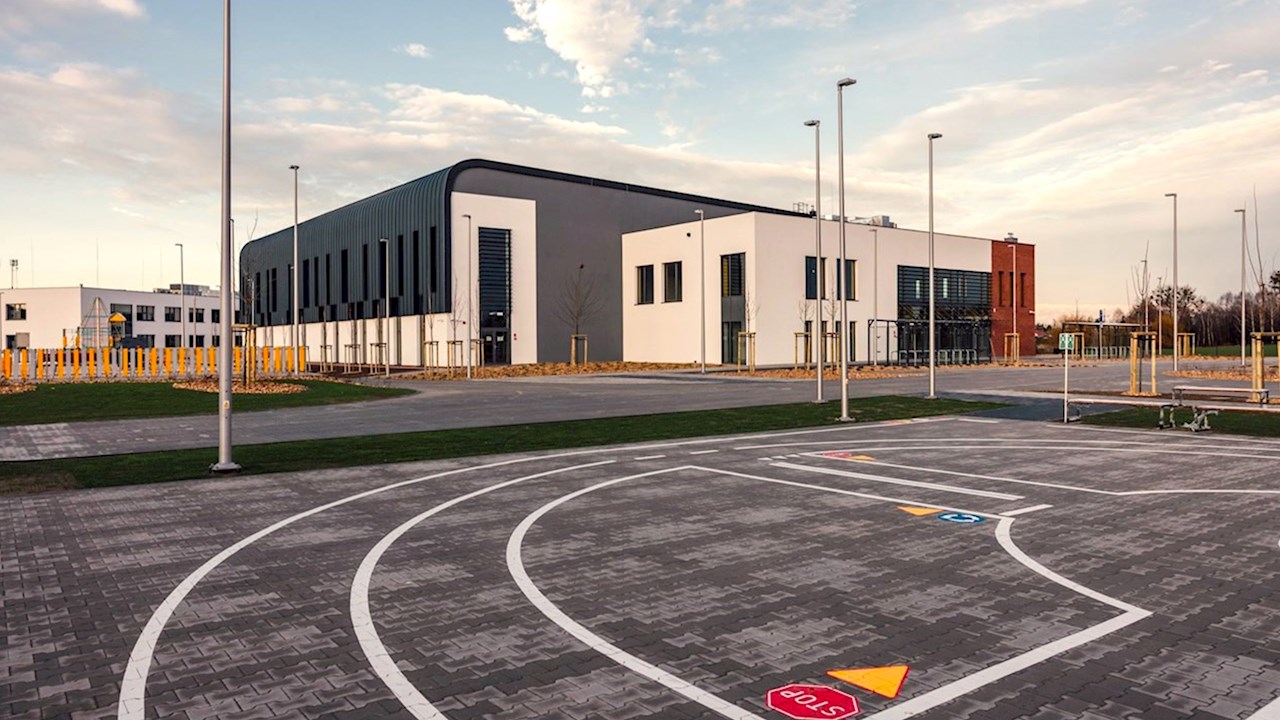
In Lusówek, a fast-growing village near Poznań, a new primary school is proving that smarter, safer buildings don’t need to be complex or costly. As the population of Lusówek grew rapidly over the past decade, local authorities responded with a major public investment: a new education complex featuring 24 modern classrooms, a library, sports and recreation facilities, and a focus on safety and sustainability.
But what makes this project truly stand out isn’t its size or design – it’s the unusually advanced approach to electrical safety.
While most schools in Europe still rely on basic circuit protection, the Lusówek school has been equipped with ABB’s cutting-edge arc fault detection technology, typically reserved for high-risk environments such as wooden buildings, heritage sites, and facilities where swift evacuation is challenging, like nursing or care homes.
More than 400 ABB S-ARC1 and DS-ARC1 Arc Fault Detection Devices (AFDDs) have been installed across the facility – two per room – alongside ABB’s TwinLine sub distribution boards with built-in M4M Network Analyzers for power monitoring.
Together, these solutions offer real-time protection against one of the most dangerous and under-recognized electrical hazards: arc faults.
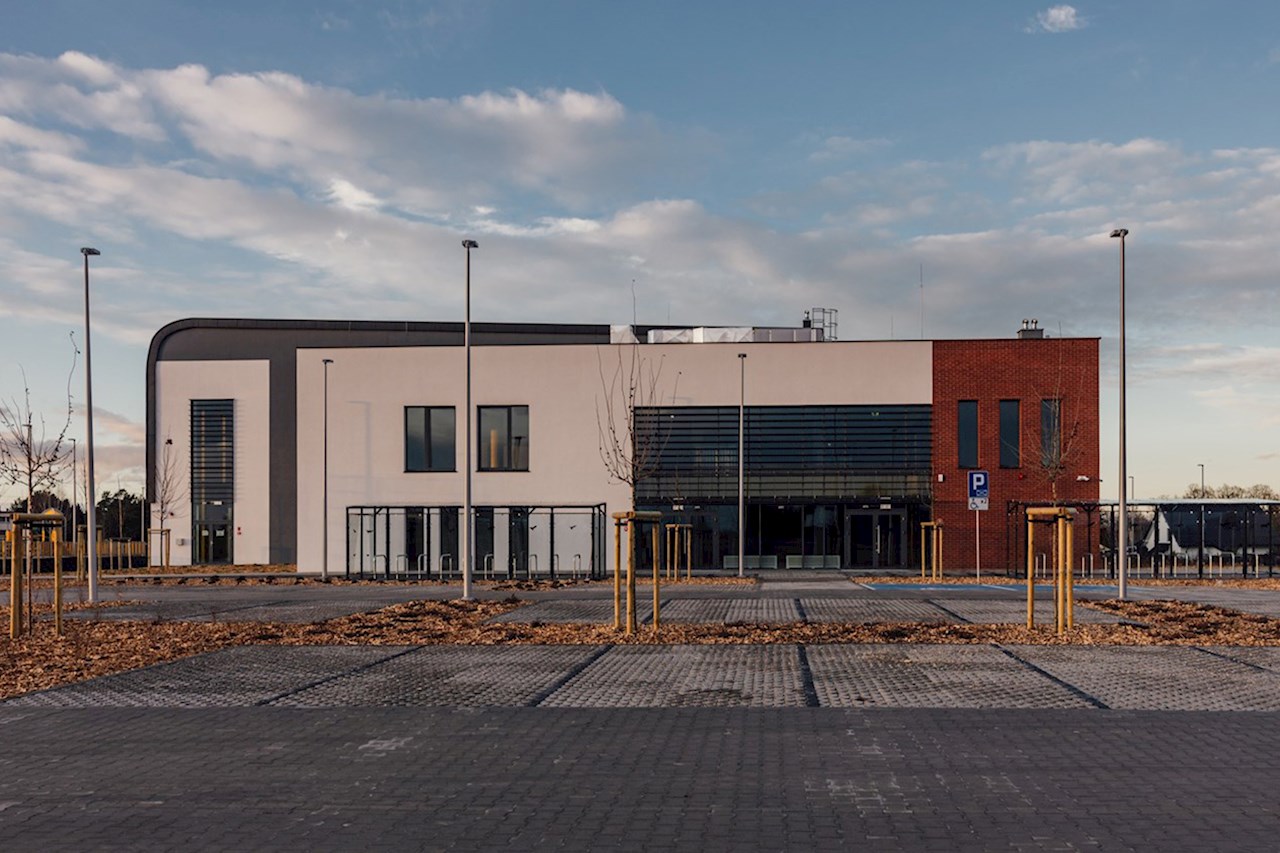
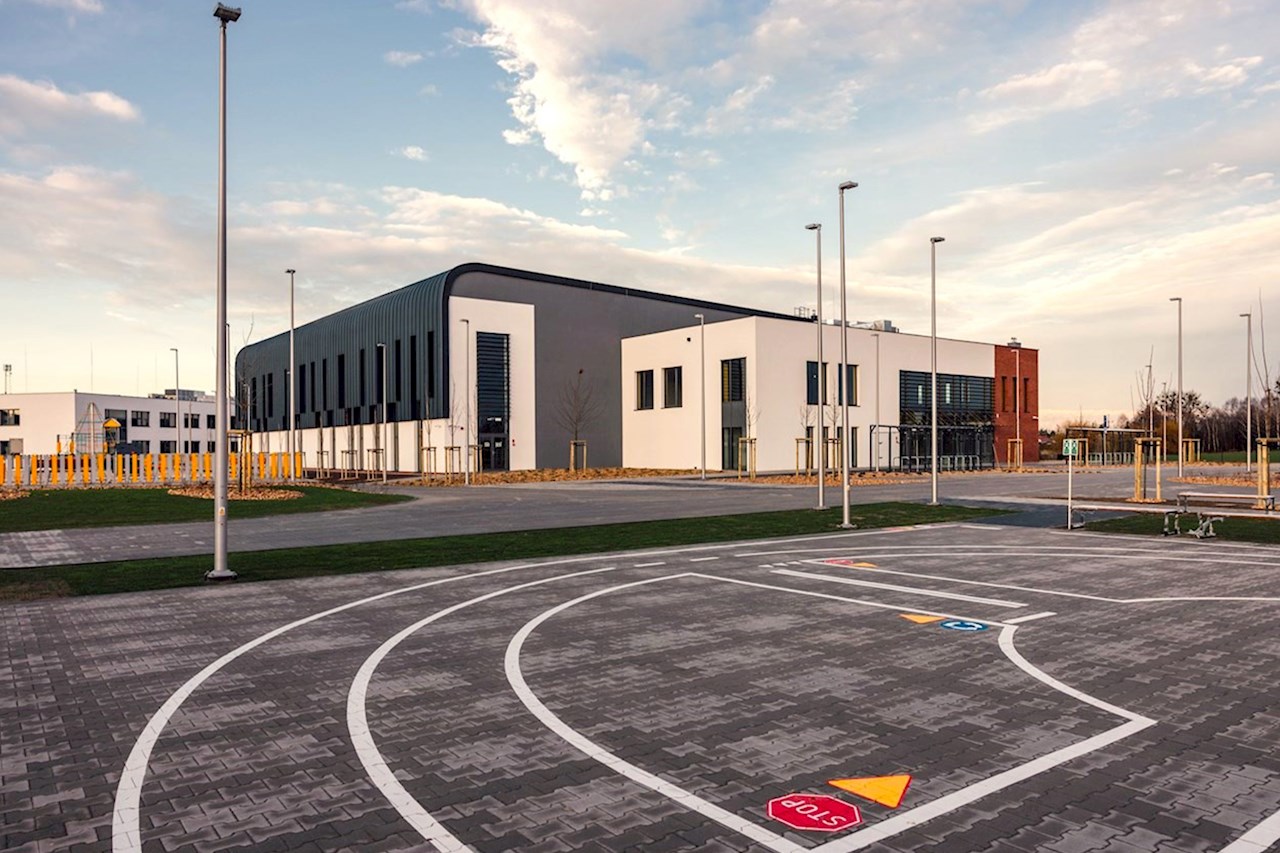
Lusówek Primary School 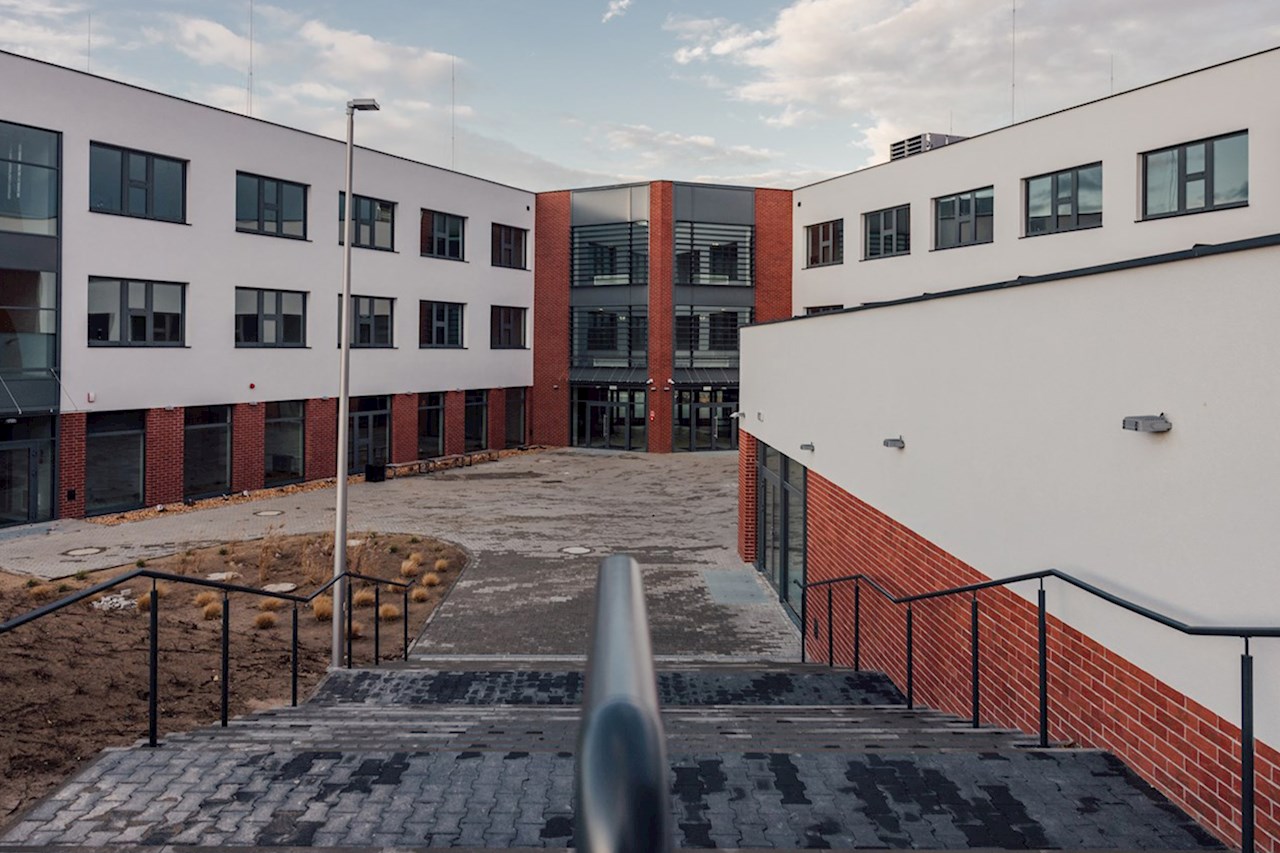
Lusówek Primary School
Going beyond the standard
Arc faults occur when damaged wires, loose contacts, or pinched cables cause high-energy sparking within an electrical system. Often invisible and undetectable by conventional circuit breakers, these faults are a major cause of fires in buildings, especially where multiple sockets, extension leads or high-powered devices are in use. In a school environment – filled with electronic devices, mobile furniture, and dozens of occupants per room – these risks are amplified.
ABB’s S-ARC1 and DS-ARC1 Arc Fault Detection Devices (AFDDs) are engineered to detect early signs of sparking and disconnect the affected circuit in milliseconds – helping to prevent fires before they start. With over 200 rooms in the Lusówek school, this proactive approach significantly reduces fire risk and ensures peace of mind for school staff, students, and families.
“We carry out projects across Poland and in many types of buildings, but I’ve never seen this level of protection in a school,” said Karol Cukier from Kamar System, the electrical installer for the project.
“This goes far beyond the minimum requirements and sets a new safety benchmark for public buildings. It’s a model that others should follow.”
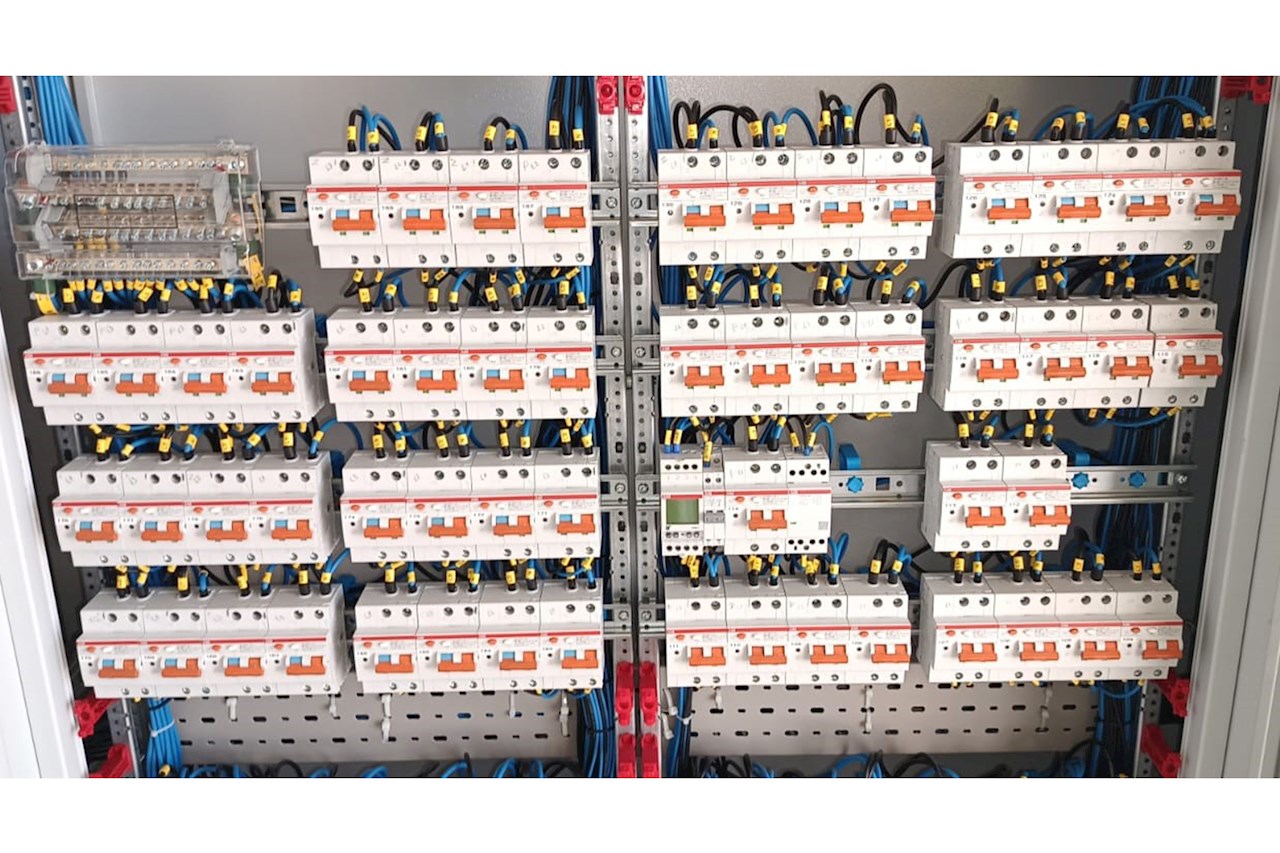
Electrical installation at Lusówek Primary School – TwinLine N sub-distribution board, equipped with Arc Fault Detection Devices (AFDDs), Miniature Circuit Breakers (MCBs), Residual Current Devices (RCDs), and Digital time switches 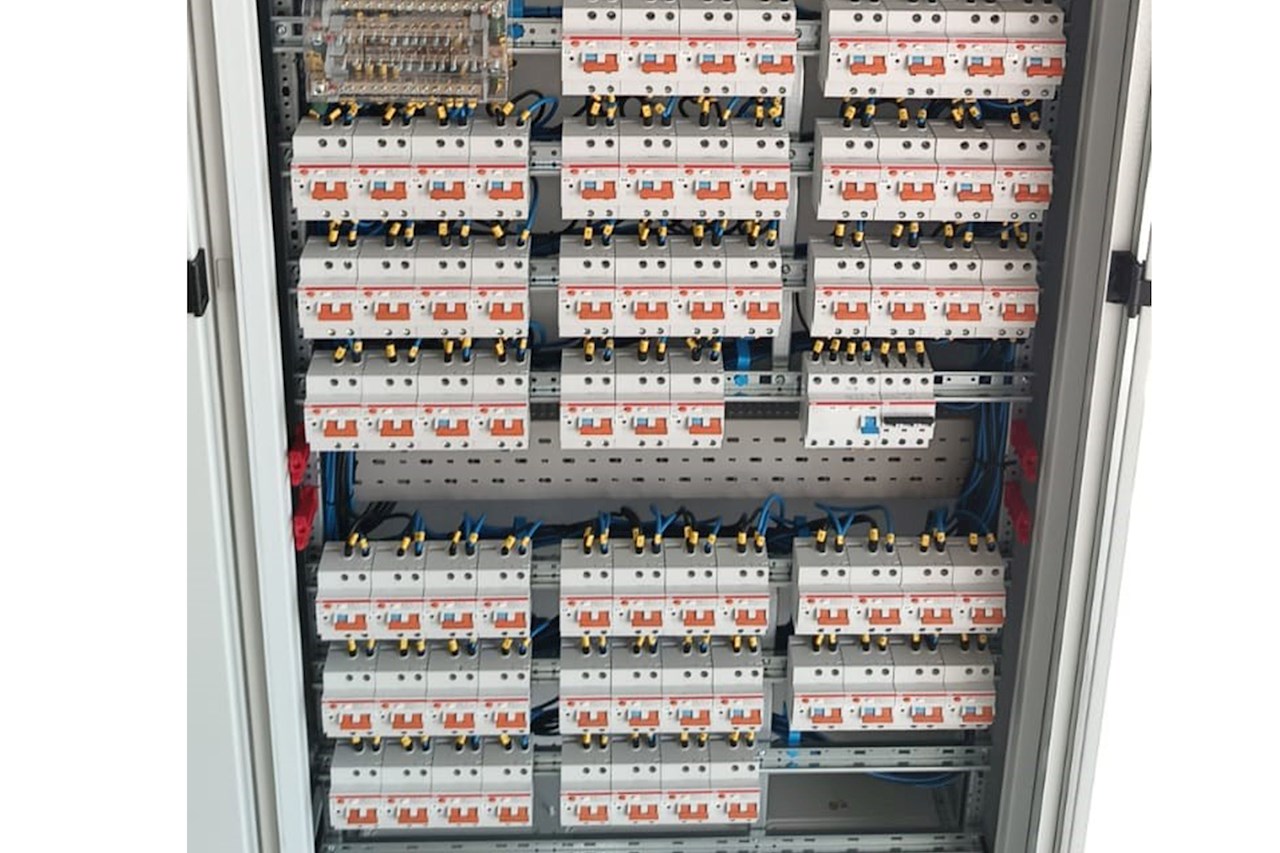
Electrical installation at Lusówek Primary School – TwinLine N sub-distribution board, equipped with Arc Fault Detection Devices (AFDDs), Miniature Circuit Breakers (MCBs), Residual Current Devices (RCDs), and Digital time switches
Reliable infrastructure, simplified maintenance
The school’s safety-first design also benefits daily operations. Every room is equipped with at least two electrical circuits, making maintenance and future upgrades easier without disrupting classes. ABB’s TwinLine sub-distribution boards provide a stable energy supply across the building and feature embedded M4M Network Analyzers to alert staff immediately in the event of a power quality issue.
“Student safety isn’t only about fire alarms or exit routes,” said Łukasz Jarek, Sales and Marketing Manager, ABB Smart Buildings Division, Poland. “Reliable, well-protected power infrastructure is just as important. And while arc protection has traditionally been used in industrial or heritage buildings, this school shows its wider potential.”
Thanks to close collaboration between the designer, the installer, and ABB, the system was implemented without impacting the overall budget. Despite its high performance, the electrical safety solution represented only a small fraction of the overall project cost.
Lusówek Primary School 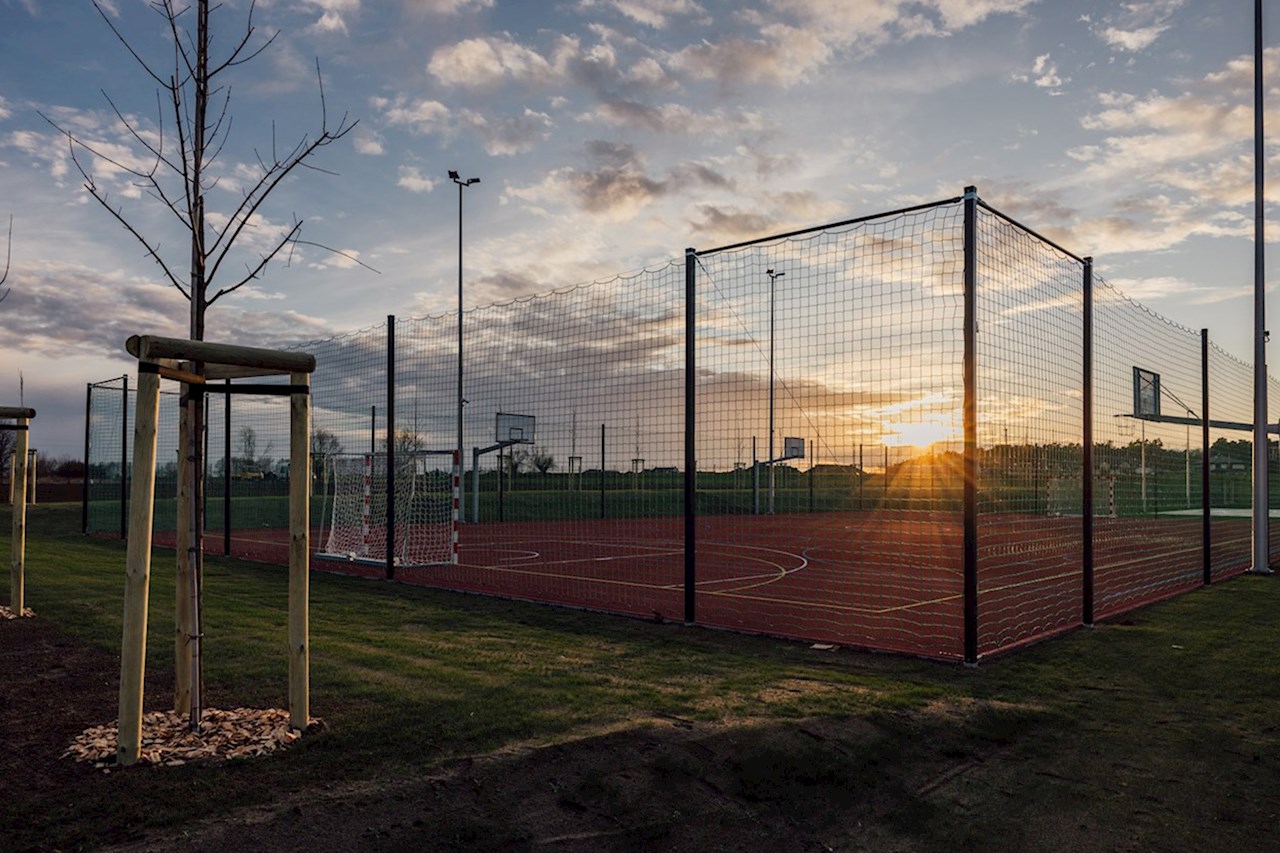
Lusówek Primary School
Building safer, more reliable schools
This project reflects a broader shift in the industry, as awareness of arc faults and electrical safety grows. Across the EU, new guidelines and building directives are encouraging public institutions to rethink their infrastructure, moving toward solutions that are not just compliant, but future ready.
The Lusówek school exemplifies this evolution. With safety engineered into the very foundation of its design, it’s more than a place to learn – it’s a demonstration of how innovative, future-ready technology can help public buildings outrun the standards of yesterday and prepare for the challenges of tomorrow.


