By Aldo Sciacca, R&D and Portfolio Manager at ABB Electrification’s Smart Buildings Division
Today is the final day of World Green Building Week – and what a conversation it’s been. We’ve looked at bold leadership, electrification, automation, and homes that adapt to people. To close the week, I want to focus on what I know best: technology – but not technology for technology’s sake. Technology that genuinely works for people.
Because let’s be honest: we’ve all been in the overcooled hotel room, or the office with a thermostat so complex you need a PhD to use it. Technology without usability isn’t progress – it’s frustration. Being bold by design means using the right solutions, in the right way, so they actually deliver efficiency, comfort, and resilience.
Five shifts that will define the decade
Across the industry, five technology shifts stand out as game-changers for the next ten years:
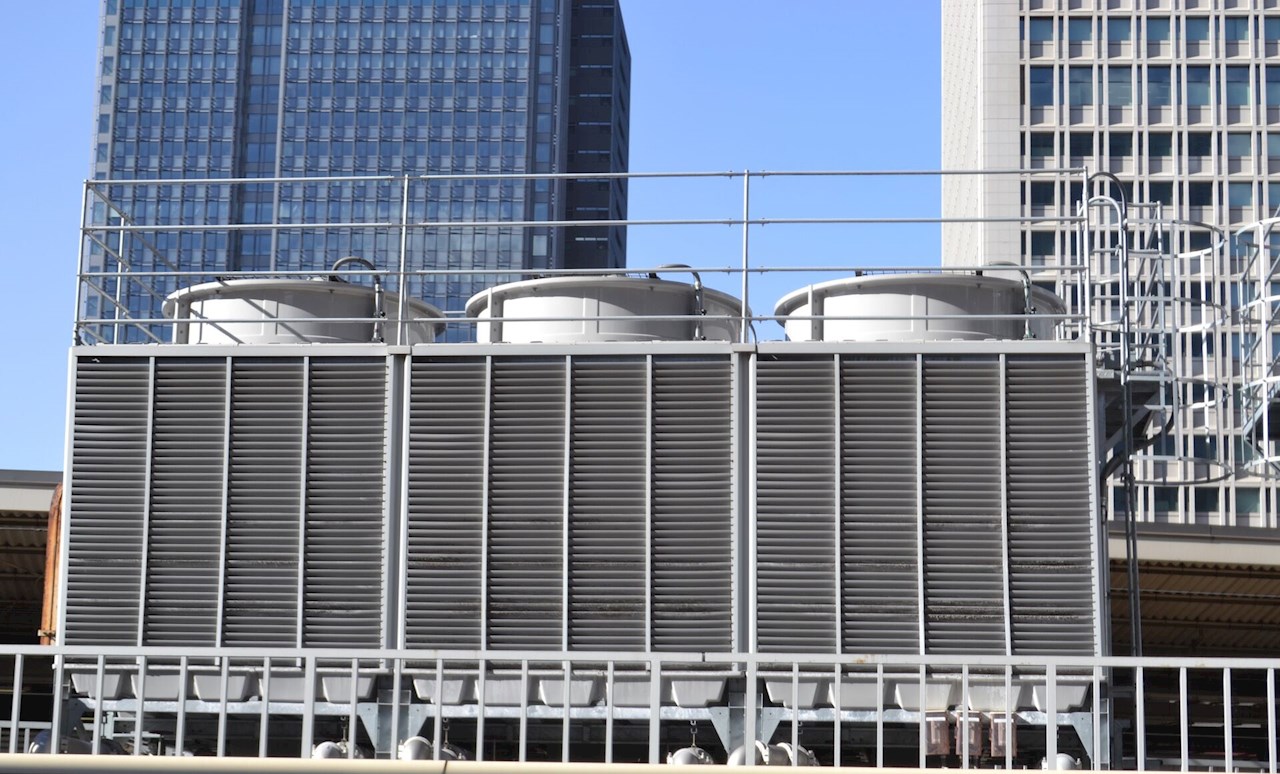
1. Smarter HVAC
Heating, cooling and ventilation (HVAC) typically account for around 40 percent of building energy use1. Yet too often, systems run on extremes – full blast or barely working – instead of adapting to the real conditions of the space. Smarter HVAC – intuitive, efficient, user-centric – is one of the fastest routes to cutting emissions. In fact, McKinsey estimates existing technology could already cut more than 50 percent of building emissions by 20302. And in sectors like hospitality, smarter automation of HVAC can deliver energy savings of around 30 percent – a clear sign of how bold design translates into measurable impact.
2. IoT-enabled building automation
By the end of this year, the global IoT-enabled building market is expected to reach USD 18bn, growing 18 percent each year since 20203. The opportunity is enormous – but only if systems are interoperable and simple enough for people to actually use. That means fewer apps, more integration, and controls that feel as easy as flipping a switch.
3. Electrification-ready infrastructure
Electricity demand is rising at unprecedented speed. Between 2025 and 2027, consumption is expected to increase by 3,500 TWh, globally, with 85 percent of growth in emerging economies 4. Buildings must be ready to integrate renewables, electric vehicle (EV) charging, and storage without overloading grids. That means focusing on modular, flexible distribution designed for growth. Direct Current (DC) distribution – whether used alone or alongside traditional AC circuits – is emerging as a key enabler for simpler, more efficient integration of renewable generation and storage within buildings.
4. Adaptive control systems
The era of rigid, centralized control is ending, because one-size-fits-all systems can no longer keep up with the pace of change or the diversity of building needs. Digital twins, real-time analytics, and adaptive platforms – flexible, interoperable systems that can evolve with buildings over time – now let us model, predict, and optimize before making costly changes in the physical world. In other words: less wrestling with non-intuitive controls, more intelligence built in.
5. Retrofit-friendly solutions
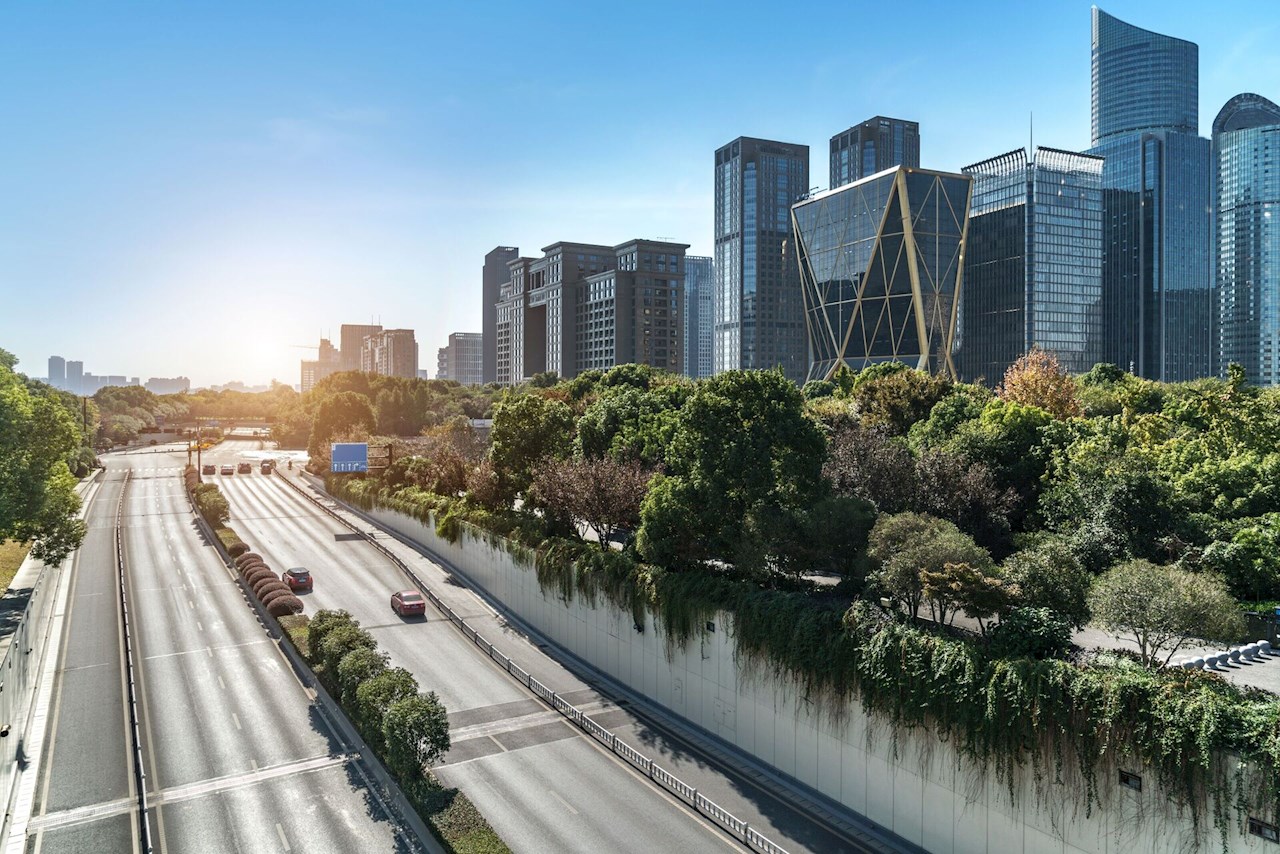
Here’s the reality: around 80 percent of the buildings that will stand in 2050 already exist today5. That makes retrofitting one of the biggest opportunities for impact. JLL estimates $1.2 trillion in retrofits are needed globally – with potential energy savings of 40–65 percent6. At ABB, we’re supporting this through our circularity and sustainability metrics, and collaborations with innovators like Lookthrough, helping building owners extend asset life while cutting costs and emissions.
Why design matters
The common theme across all of this is design. If systems aren’t designed to be human-friendly, they fail – no matter how clever the technology inside. Bold by design means bold on usability, bold on openness, and bold on partnerships. At ABB, we’ve embraced open innovation through our Startup Challenge, co-creating with climate-tech innovators and customers alike. Because no single company can transform buildings alone.
A call to action
So what’s the lesson from this week? Bold building innovation is about applying the right solutions, in the right way, in collaboration with the right partners – to accelerate change where it matters most.
World Green Building Week may end today, but the conversation continues. On 18 September, join us live on LinkedIn as we explore how bold innovation and collaboration can transform the hospitality sector.
Because the decisive decade won’t wait – the time to be bold by design is now.
About the author
Aldo Sciacca

Aldo Sciacca is the R&D and Portfolio Manager at ABB Electrification’s Smart Buildings Division. In this role, he oversees innovation and strategy across a global portfolio of energy distribution and smart building technologies. With almost three decades at ABB, Aldo has held senior global leadership roles across product groups, portfolio management, R&D and corporate research. He has contributed to the development of advanced smart building solutions that improve energy efficiency, enhance sustainability and support the transition to net-zero.
As a strong advocate for industry collaboration, Aldo believes technology and teamwork are key to accelerating sustainability and smart building transformation. He served as a judge for the 2022 edition of ABB’s Startup Challenge, an annual competition supporting early-stage climate tech startups developing innovative solutions for smart buildings, smart power, distribution, and sustainability. Prior to his current position, Aldo was Global Head of Energy Distribution for ABB’s Smart Buildings, where he played a key role in shaping energy distribution strategies and advancing product development. Based in Italy, Aldo holds a Master’s degree in Physics from the University of Milano and has received industry recognition for his contributions to technical innovation.
Sources:
[1] High-Performance HVAC | WBDG - Whole Building Design Guide
[3] https://www.pwc.com/m1/en/publications/documents/buildings-of-the-future-how-to-take-the-cognitive-leap.pdf
[6] https://www.jll.com/en-us/insights/market-perspectives/global


