
By Gianluca Casanova, Global Division Procurement and Operations Excellence Leader, ABB’s Smart Buildings Division
Each October, U.S. Manufacturing Day gives us the chance to celebrate how factories power our economy, create jobs, and drive innovation. But it is also a moment to reflect on how manufacturing must evolve. If the last decade was about energy efficiency, the next will be about embedding circularity into daily operations.
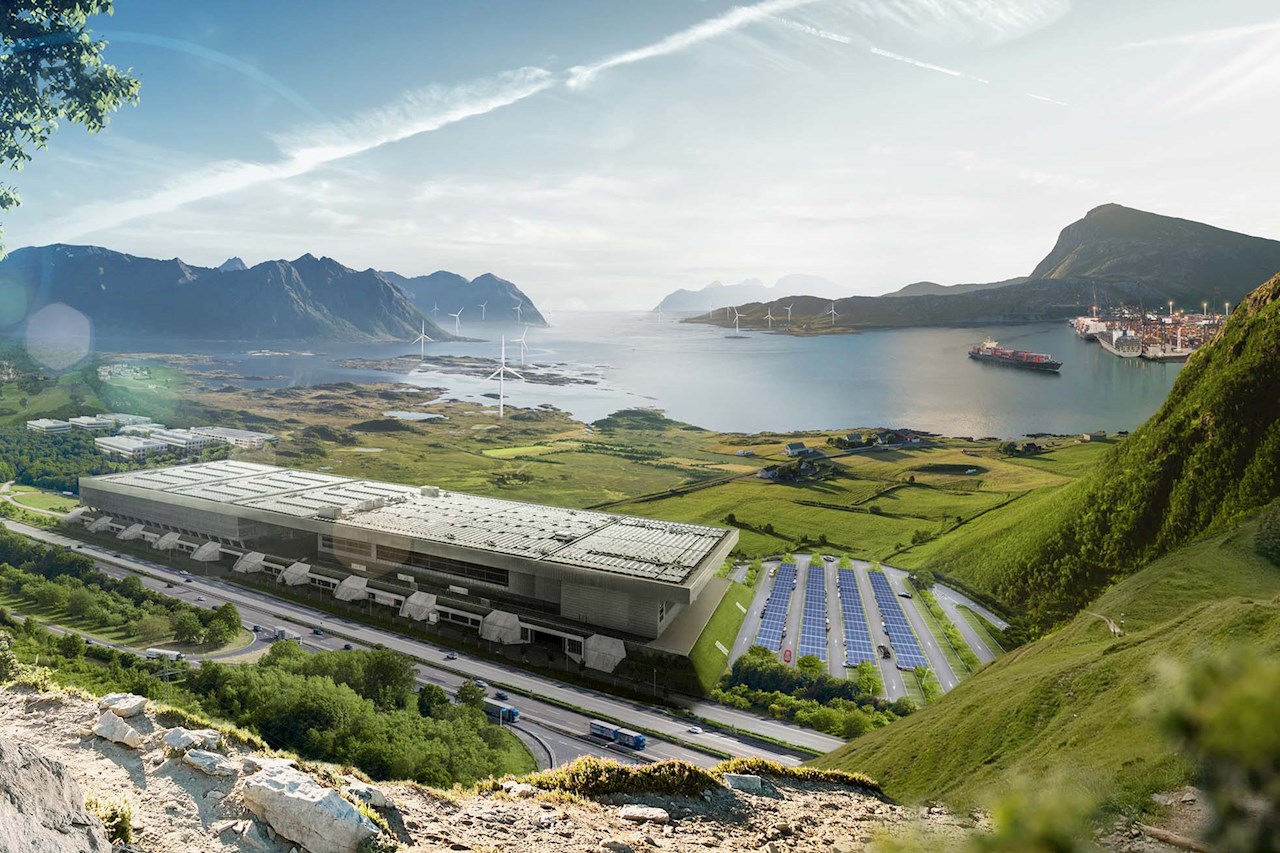
At ABB, we have seen this shift firsthand. Through our Mission to Zero™ initiative, we have demonstrated how manufacturing sites can run on renewable energy, cut emissions, and operate more efficiently. Plants like Schaffhausen (Switzerland), Saltillo (Mexico) and Belo Horizonte (Brazil) are only examples of many sites who have become showcases for our journey to net zero and have implemented measures such as heat pumps, solar integration, energy storage, geothermic system and advanced building management systems. These sites prove that low-carbon operations are possible at scale – an important shift, given that manufacturers consume one-third of the nation’s energy[i].
Yet energy is only part of the picture. The future of manufacturing sustainability depends on how we manage materials, waste, and data inside the factory. That is where the concept of circularity takes center stage.
Waste to value: zero landfill as a cultural shift
One of the most practical steps manufacturers can take is to target zero waste to landfill. This moves sustainability beyond a compliance exercise to a cultural change on the shop floor. In our plants, this has meant retraining teams, redesigning workflows, and in some cases replacing familiar processes. At multiple distribution centers, for example, we phased out plastic filler bags and switched to recycled cardboard filler and packaging material. Small as it sounds, it required clear segregation systems, new supplier agreements, and operator buy-in.
We chose to validate our progress externally through UL certification, which provides independent recognition at silver, gold, or platinum levels. Today, around 40 percent of our manufacturing and logistics sites are already on the journey to certification. The message is simple: waste reduction works best when employees see it as part of the production process, not a side project.

Materials matter: scaling sustainable inputs
One of the biggest challenges lies in materials. Biomass-balanced plastics, mechanically recycled plastics and metals, and chemically recycled polymers all hold promise, but bringing them into a manufacturing environment isn’t straightforward.
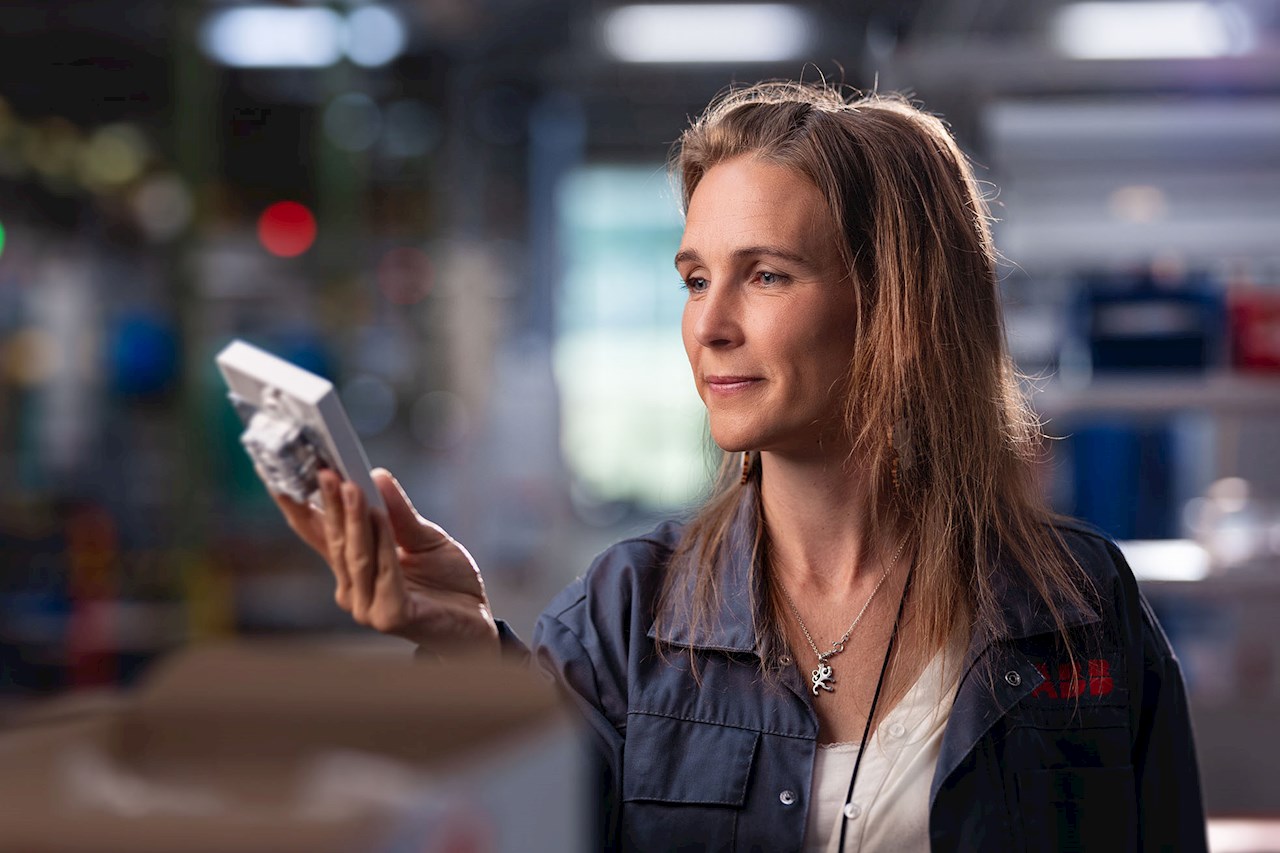
At our plant in Porvoo, Finland, we introduced a new wiring accessory line using biomass-balanced plastics. The material performed differently under heat and pressure, so molding tools had to be recalibrated. Quality checks were redesigned. Even customer acceptance had to be managed, since sustainable materials still carry a price premium.
Every new material requires a rigorous recertification process that can take 12–18 months. For industries like ours, where electromechanical components must meet strict global product and safety standards, this is non-negotiable. That is why we pilot carefully, prove reliability, certificate and only then scale.
The lesson for all manufacturers is clear: circular materials are not a swap, but they are an operational transformation.
Data depth: single component carbon footprinting information
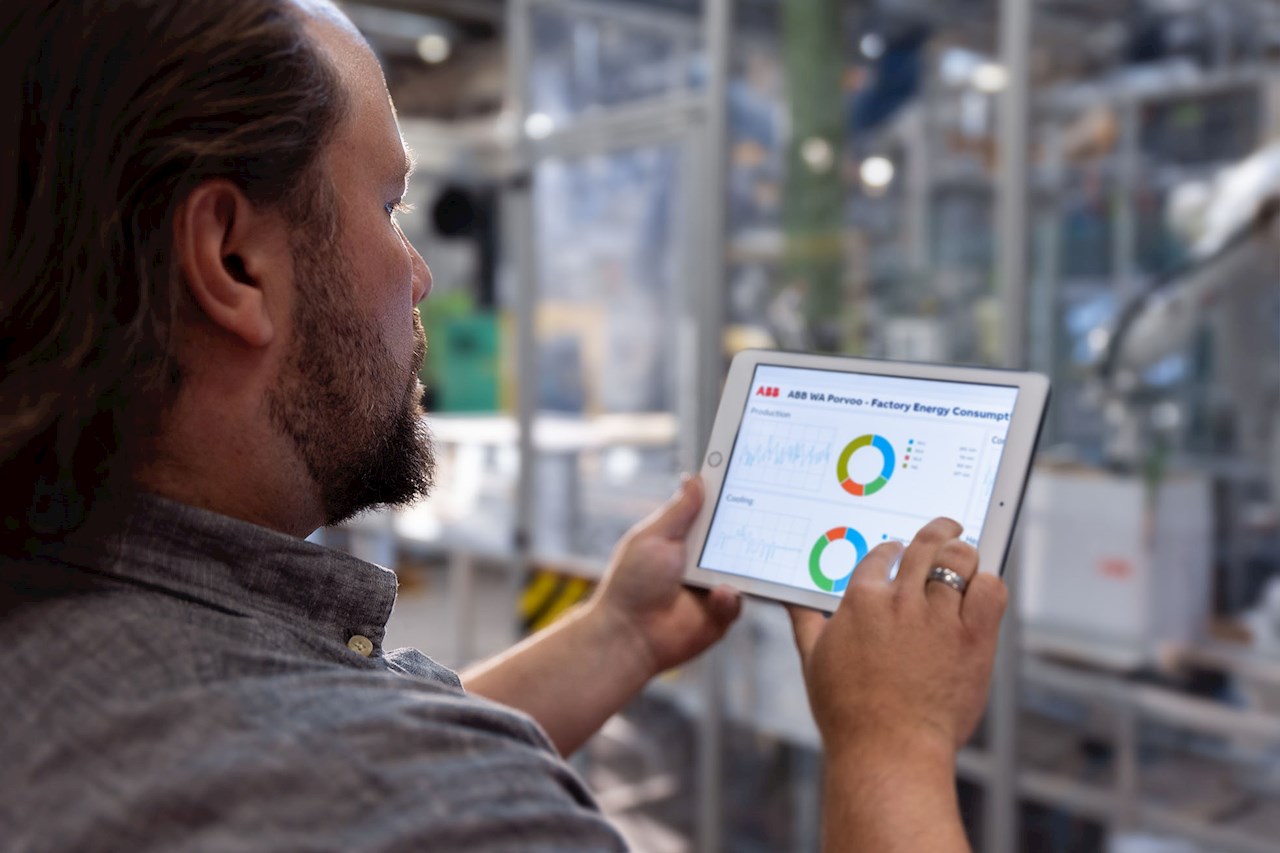
In sustainability, precision matters. For too long, manufacturers have relied on dollar-based estimates to calculate Scope 3 emissions. While useful as a starting point, that approach doesn’t provide the level of detail needed to guide day-to-day improvements. We are now transitioning to product carbon footprinting at single component level, meaning the emissions of each unique product variant, such as a specific size of circuit breaker or type of light switch.
For plant managers, this shift is significant. It provides visibility into which products or processes are the biggest contributors to emissions. It creates accountability at the line level. And it allows us to give customers validated, product-specific data, backed by third-party verified like Environmental Product Declarations (EPDs).
In this way, data turns sustainability from a corporate target into a plant-level tool for improvement.
Lessons for manufacturers
From our journey so far, three lessons stand out:
- Start with waste but build toward circularity. Zero waste to landfill is a tangible, motivating target that rallies employees and builds momentum for tougher changes.
- Treat materials as strategic. Circular inputs aren’t quick wins; they require patience, recertification, and close supplier collaboration. But they are essential for long-term competitiveness.
- Invest in data precision. Single component tracking may sound technical, but it’s the foundation for credible reporting and smarter operational decisions.
Looking ahead
Sustainability in manufacturing is often described as a journey, and at ABB we know that progress isn’t always linear. Some initiatives scale quickly, others take longer. What matters is embedding change into the fabric of operations and making sustainability part of how plants run every day.
On Manufacturing Day, as we celebrate the achievements of this important industry, we also need to look ahead. The factories of the future will not only produce more efficiently, but they will also produce more responsibly, closing loops on waste, transforming materials, and delivering transparency through data.
Circular operations are the next step in how manufacturing remains competitive, resilient, and relevant in a low-carbon world. We’re proud to celebrate the people in our factories who are turning these principles into practice, proving that the future of manufacturing is both sustainable and human-led.
Let’s lead the way together.
Sources
[i] https://nam.org/mfgdata/facts-about-manufacturing-expanded/
About the author

Gianluca Casanova is the Global Division Procurement and Operations Excellence Leader within ABB’s Smart Buildings Division. In this role, he leads global procurement strategy, category management, and sustainability across the division, while driving process improvements, operational excellence programs, and digital tools that enhance performance across the global value chain. Gianluca also oversees commercial operations for the North Central Europe region.
Gianluca joined ABB in 2000 and has held multiple leadership roles across operations, procurement, quality, logistics, and planning, including Hub Division Manager, Global Quality Manager, and senior roles managing large-scale production units across Europe, India, Egypt, and Argentina.
He holds an Engineering degree from Politecnico di Milano, specializing in business, management, and operations, and has more than 25 years of experience in the electro-mechanical and electronic manufacturing industry. He is based in Italy.


