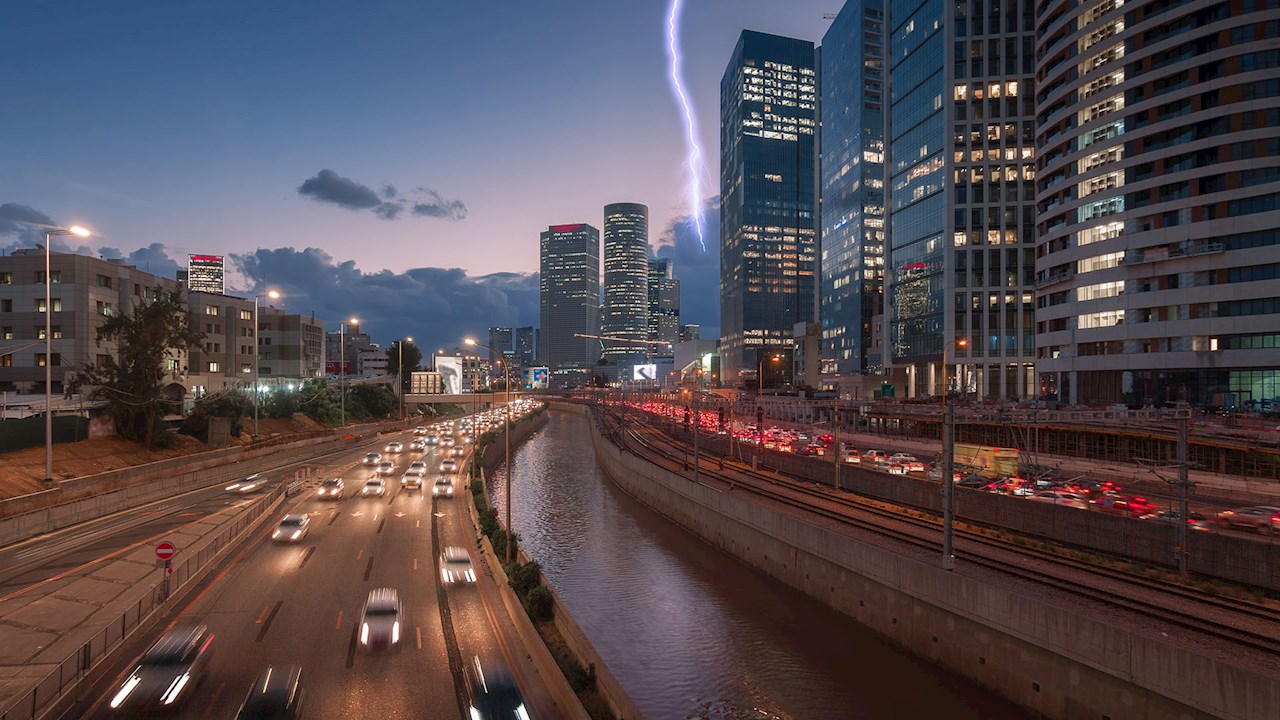
In a world of growing uncertainty, resilience is the new competitive edge.
From record-breaking heatwaves to sudden floods and rising cyber threats, the past few months alone have shown just how unpredictable our world has become. For anyone involved in designing, owning or operating buildings, one thing is clear: resilience is no longer a 'nice to have’ – it’s a critical investment in safety, continuity and long-term value.
Because the truth is, the risks are rising fast. In the last two decades, climate-related disasters caused nearly $3 trillion in global economic losses, with the frequency of events – from storms and floods to wildfires and droughts – almost doubling.
So, what makes a building resilient today?
It’s not just about what a building is made of, but what it’s ready for.
Resilience means designing for disruption, whether physical, digital, or operational. Buildings must be ready to anticipate, absorb and adapt to shocks from both nature and the network.
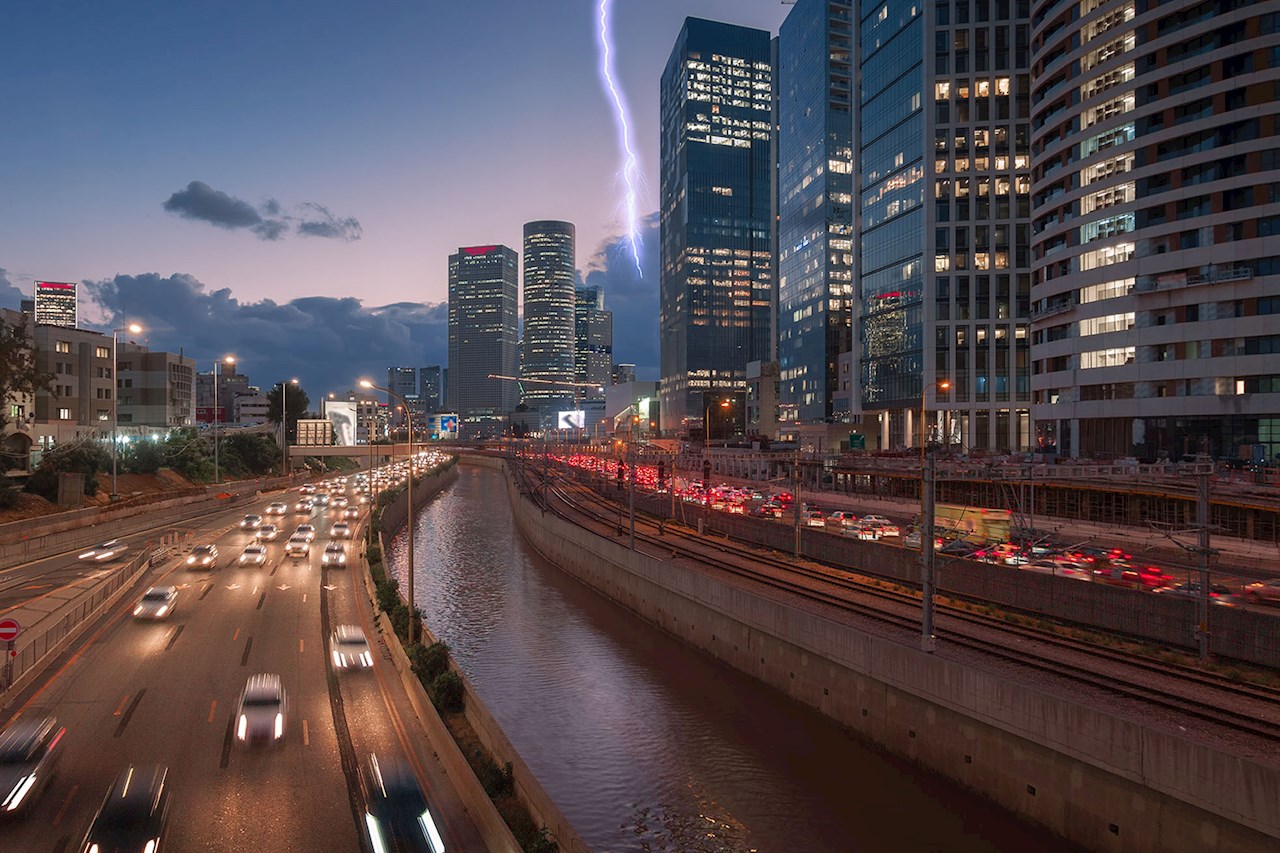
Climate resilience: Staying online when it matters most
When the power grid goes down in a storm or temperatures spike to dangerous levels, buildings equipped with smart energy systems – including load control, onsite energy optimization and integrated storage – can stay online. They keep people safe, operations running, and crucially, avoid costly downtime.
Resilient buildings also take a layered approach to safety. Systems like emergency lighting may not grab headlines, but in a crisis, they can make all the difference, guiding people to safety when visibility is lost or power fails.
We’ve already seen what happens when infrastructure isn’t ready. In Texas, during the extreme heat of June 2024, power demand surged to record highs, placing severe strain on the grid. Some buildings lost cooling and core services as systems failed. The difference? Those equipped with onsite renewables, energy storage, and adaptive load control stayed operational, keeping people safe and businesses running.
If it can happen in Texas, it can happen anywhere. No region is immune, and no building should be unprepared.
Digital resilience: Staying secure in a connected world
As buildings become more connected – with more than 40 billion IoT devices expected to be in use globally by 2030 – the opportunity for smarter performance grows. But so does our reliance on digital systems – and with that, the need for resilience.
Cyberattacks on building systems are up 400 percent year-over-year, with real-world consequences ranging from multi-day heating failures to operational blackouts.
And it’s not just the threat of targeted attacks that puts buildings at risk – it's our growing dependence on digital infrastructure.
That’s why resilience must evolve alongside innovation. Today’s smart buildings need secure digital infrastructure, remote monitoring, and predictive maintenance to avoid disruption before it happens and keep critical systems running when it matters most.

Health resilience: Designing for wellbeing
Resilience also means protecting our health. From air quality systems to touchless controls, we’ve learned the importance of buildings that can respond to public health threats while still supporting daily life and work.
During the height of the global pandemic in 2020, hospitals in Italy equipped with smart air systems and advanced HVAC saw significantly lower transmission risks, a powerful reminder that indoor environments directly shape health outcomes.
So yes, resilience protects people. But it also protects value.
The business case for resilience
Insurers, regulators and investors are increasingly factoring resilience into asset pricing. By some estimates, every $1 invested in climate adaptation returns $4 in economic benefit – and resilience upgrades can reduce long-term maintenance costs by up to 30 percent. In low- and middle-income countries alone, poor infrastructure resilience costs firms and households at least $390 billion per year.
Hope is not a resilience plan.
How ABB is enabling resilient buildings
At ABB, we’re helping lead the shift to resilient, future-ready buildings. Our smart building systems, like ABB Cylon®, ABB Ability™ and advanced HVAC controls, help keep critical systems running even under pressure. Energy storage, EV charging and load balancing improve energy independence. Our automation and remote diagnostics tools reduce risk and maximise uptime. And with open, future-ready architectures, our systems evolve alongside our customers’ needs.
This is resilience in action, enabling buildings to do more than survive.
The number of smart buildings globally is set to more than double by 2026. That’s a huge opportunity, and a huge responsibility.
We have a chance to make resilience the default, not the exception. To design buildings that not only survive the unexpected – but help communities thrive through it.
About the author

Mike Mustapha
Mike is the Division President of ABB Smart Buildings and was appointed in February 2022. In this position, he has full accountability for the performance of the global Smart Buildings business in ABB, which includes a broad portfolio of market-leading home and building automation solutions as well as the portfolio for energy distribution systems and products.
After starting his career in the U.S. in 1990 as an Application Engineer with Rotoflow Corp. Inc., a leading supplier of high-speed rotary and cryogenic machinery for process industries, Mike built global leadership experience with Altas CopCo, a multinational industrial company, where he held various leadership positions. In January 2009, Mike founded the new Pre-Engineered Buildings and Hot Rolled Structured Steel Group, headquartered in Jeddah, KSA, with its own independent Board. Mike assumed overall accountability for the company, overseeing the Middle East.
Mike joined ABB in August 2011 as Low Voltage Division Regional Manager for India, the Middle East & Africa. In June 2014, he was promoted to Global Managing Director for the Building Products Business Unit prior to his 2018 appointment as Head of Global Markets for the Electrification business. Mike currently resides in Dubai and holds a Master’s degree in Mechanical Engineering from the University of Southern California (USC), U.S.


