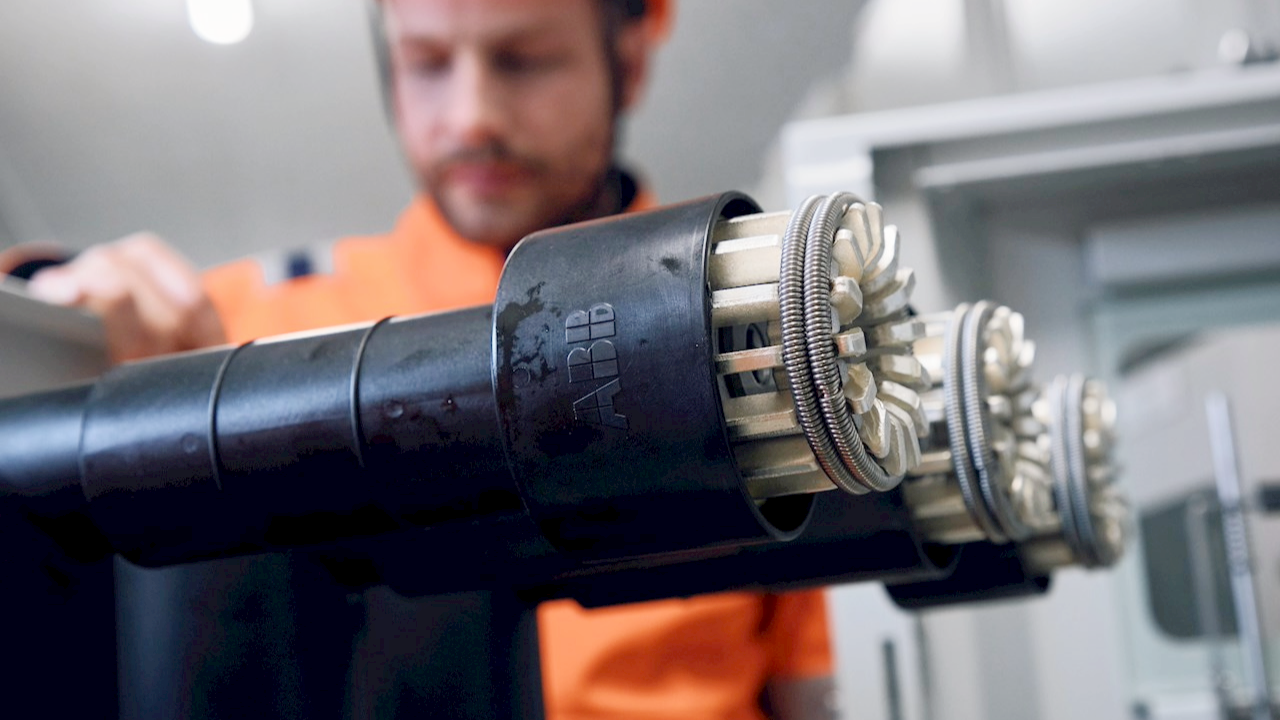
Across the globe, electric utilities are facing structural changes that are fundamentally reshaping the power grid.
- Weather-related disruptions are growing in frequency and intensity
- Rising electricity demand is challenging aging infrastructure
- The growing adoption of renewables is adding new layers of variability, requiring operators to manage increasingly complex systems in real time
Utilities today find themselves in one of the most rapidly evolving chapters in grid history — one that leaves little room for routine fixes. As they grapple with this evolution, ABB is working alongside them to strengthen resilience, scale capacity, and build the data-driven reliability that tomorrow’s grid will depend on.
Grid resilience under pressure
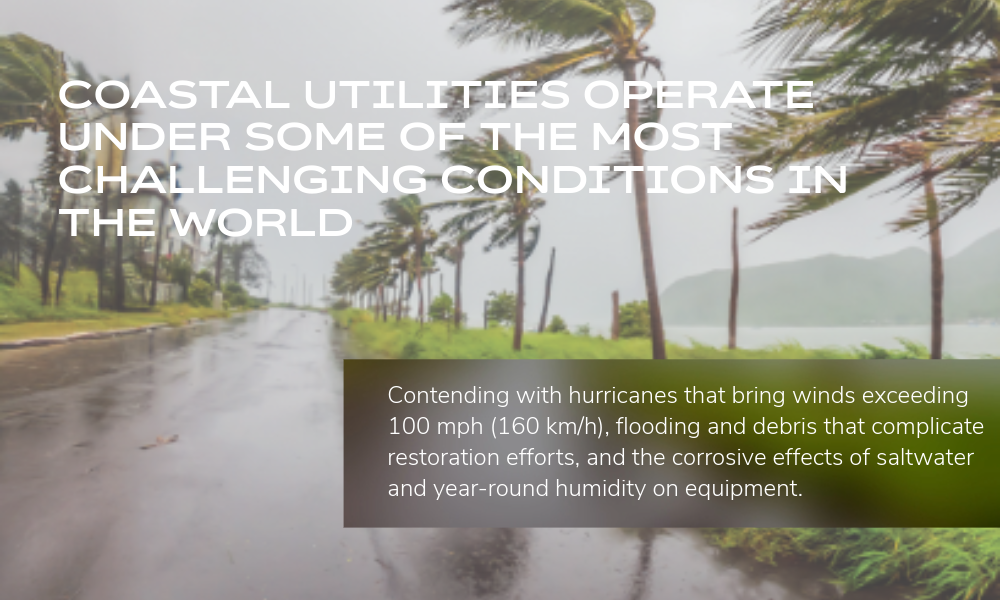
From wildfires in North America to windstorms in Europe and floods in Asia, the increasing volatility of climate-related events is straining legacy grid systems and getting very costly.
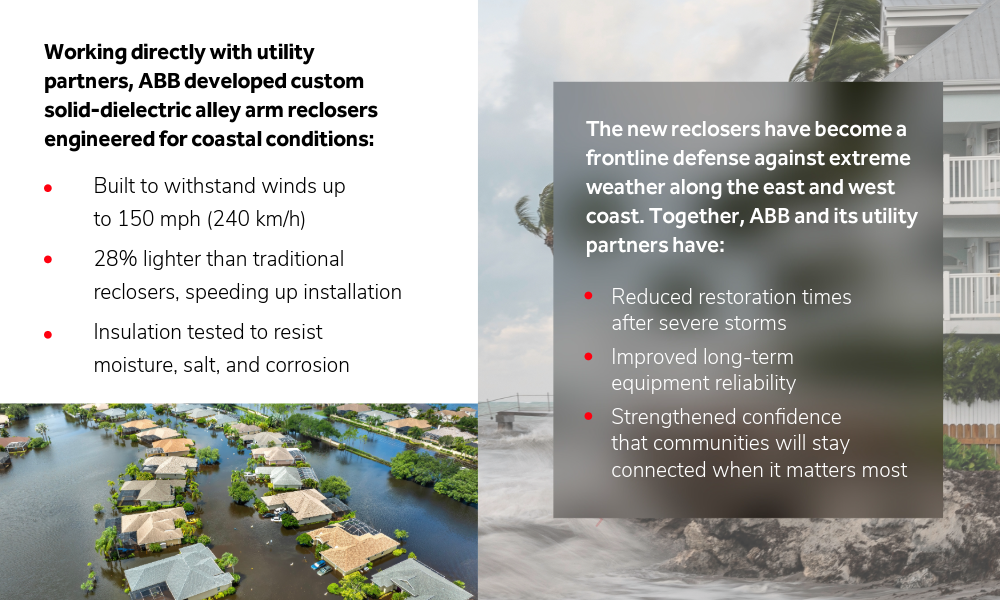
Improving resilience calls for a wide range of strategies, from strengthening physical infrastructure to rethinking how networks are operated and protected. The right approach depends on local conditions: in the United States, ABB collaborated with utility partners to develop high-performance reclosers designed to endure extreme weather.
Surging demand outpaces the grid
Global electricity consumption is rising faster than most utilities can expand their infrastructure. Load growth is being fueled by (1):
- the electrification of heating and transportation
- the expansion of manufacturing
- the rise of energy-intensive data centers and AI applications.
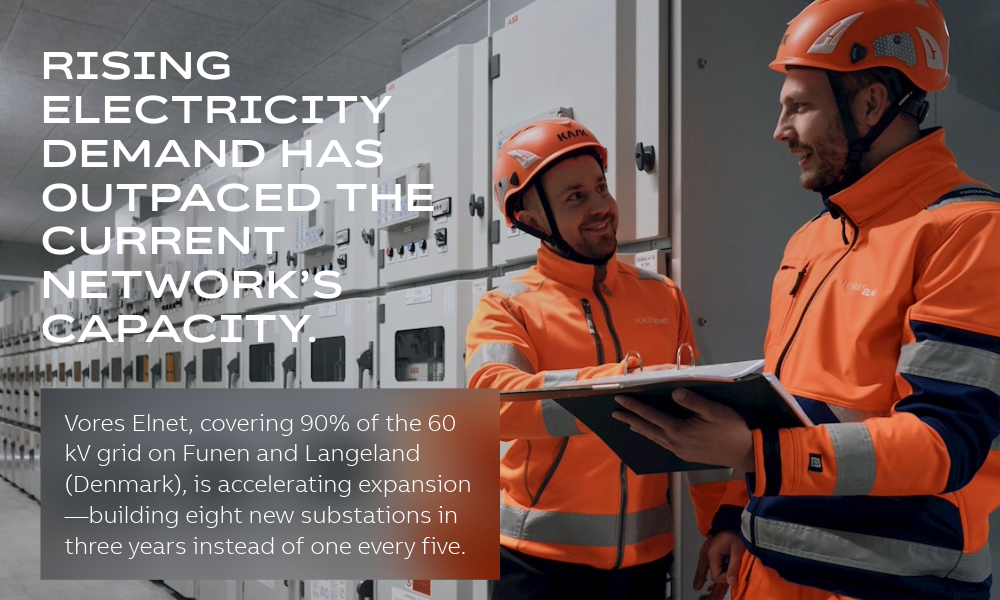
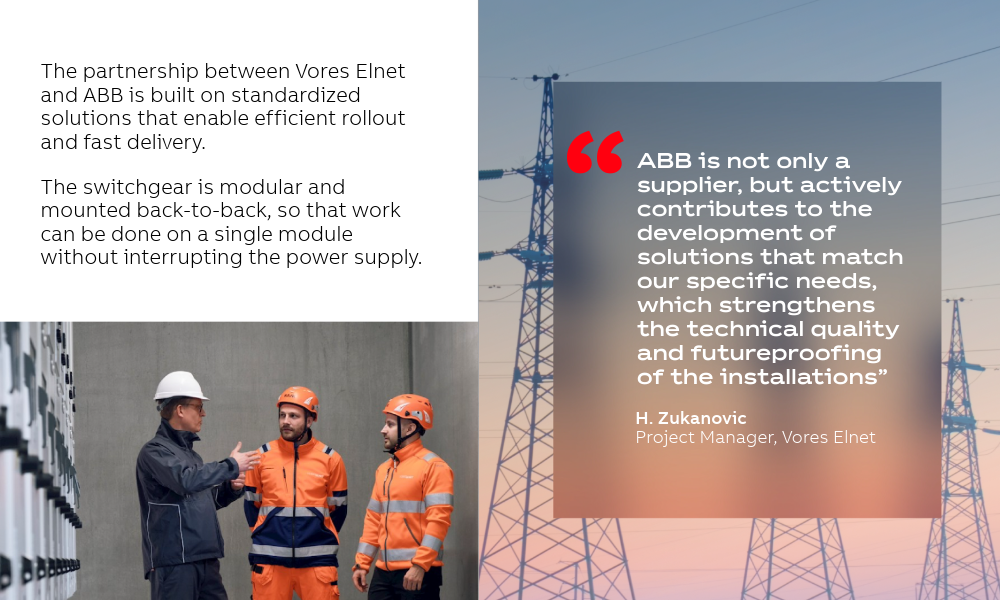
For operators, the challenge isn’t just adding capacity—it’s doing so in a standardized way that is fast and efficient, through modular equipment that allow upgrades or repairs without interrupting power supply.
This is what the collaboration between ABB and Vores Elnet centered on.
Operational reliability in a digital grid
Keeping the lights on has always been the first responsibility of any utility.
But as grids grow more interconnected and more dependent on variable generation, the task of maintaining uptime is becoming increasingly complex. Every unplanned outage can ripple across the system, affecting communities and economies alike.
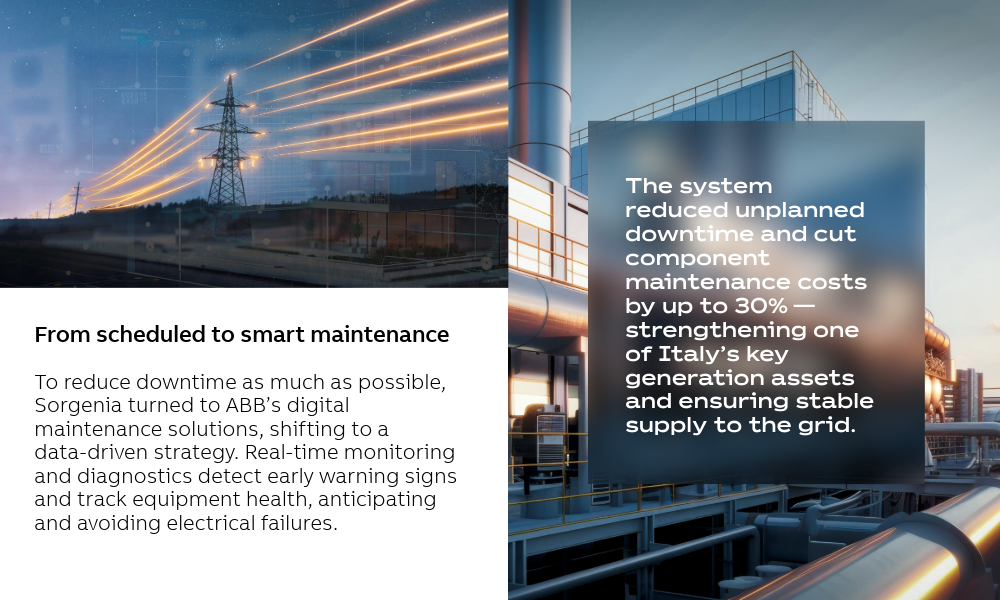
To keep their systems dependable, utilities are rethinking maintenance — moving from reactive fixes to predictive and preventive approaches. That means using data and diagnostics as an integral part of daily operations.
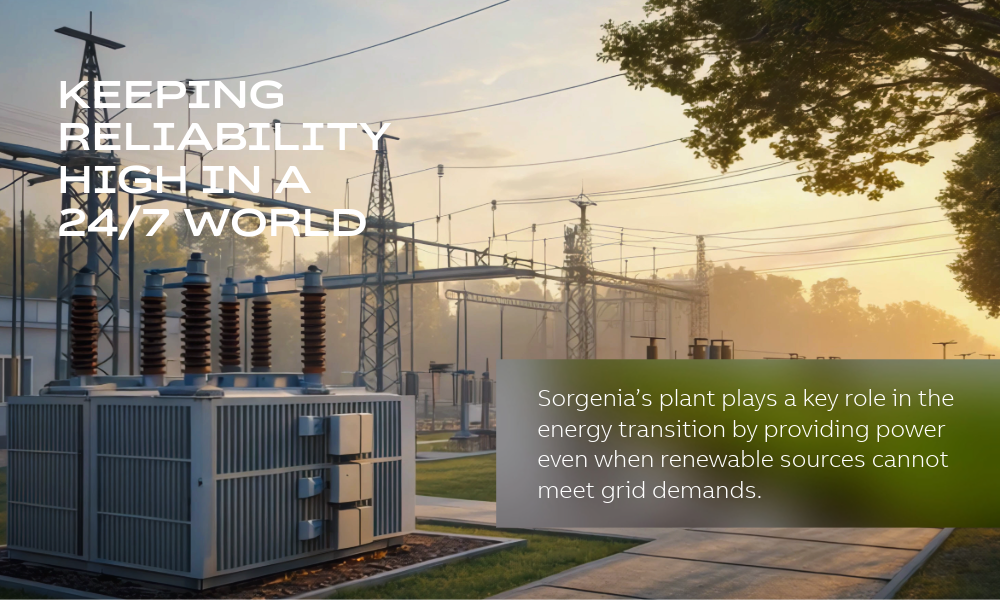
In Italy, Sorgenia partnered with ABB to do exactly that at its combined-cycle power plant in Lodi.
A more complex grid—but also a more capable one
The evolution of the grid presents utilities with a paradox: it is becoming more difficult to operate, but also more capable. With the right mix of insights and tools, the same network can support greater demand, integrate more renewables while maintaining reliability, and recover faster from disruptions.
Getting there requires collaboration at every level. Utilities bring deep knowledge of their networks and their communities. Technology partners contribute expertise in systems integration, digital control, and resilient equipment. When they work together, new forms of resilience emerge — from storm-hardened equipment to digitally enabled maintenance and rapid deployment of new capacity.
The examples from the US, Denmark, and Italy show what this looks like in practice: when utilities and technology partners build together, the grid becomes more capable.
Notes
(1) Deloitte, 2025 Power and Utilities Industry outlook


