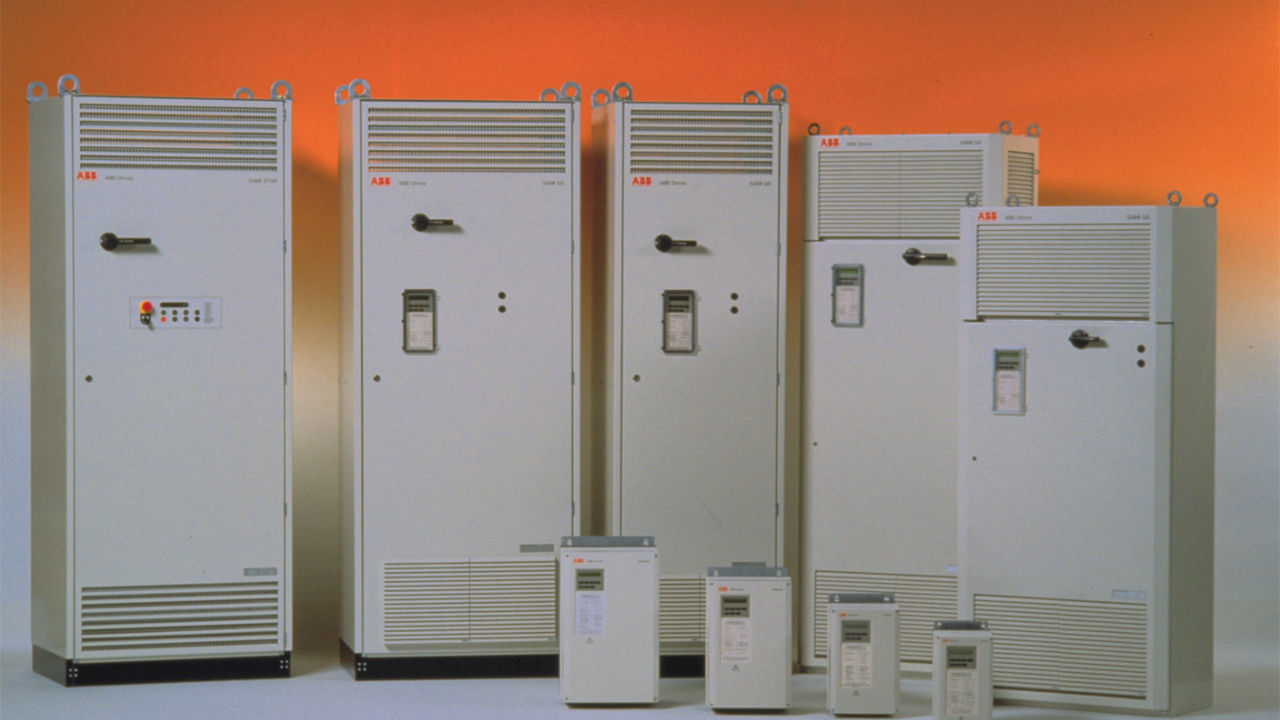
I learned recently that ABB Low Voltage Drives has reached its 50-year milestone. As one of the first users of ABB drive products in China, I have been fortunate to witness the company and its low-voltage products' 31-year development journey in the Chinese market.
In 1994, I graduated from Huazhong University of Science and Technology and joined the Electromechanical Research Institute of the Ministry of Textiles, working on electrical system integration for textile machinery. Coincidentally, that was the same year ABB Drives established its low voltage drives factory in Yizhuang. In October, ABB Drives sales visited our institute to promote their drive products. As if by fate, this encounter marked the beginning of a 31-year partnership and friendship.
During the 1990s, our institute was at the forefront of high-tech applications. At a time when VSDs started to be widely promoted to drive AC motors, we were among the first to adopt them on a large scale. With extensive experience in the R&D and manufacturing of electrical systems for textile equipment—even producing DC drives and assembling our own VSDs —our institute had laid a solid foundation for collaboration with ABB Drives.
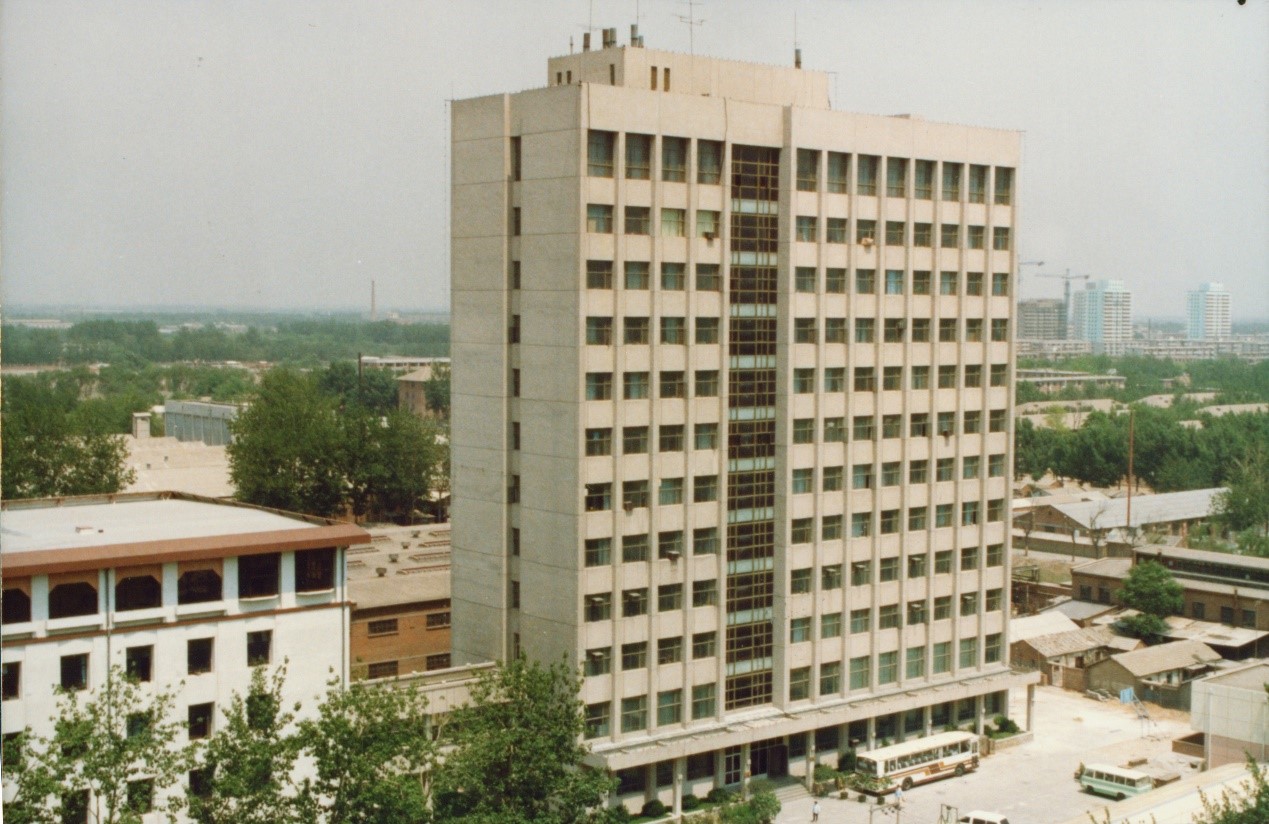
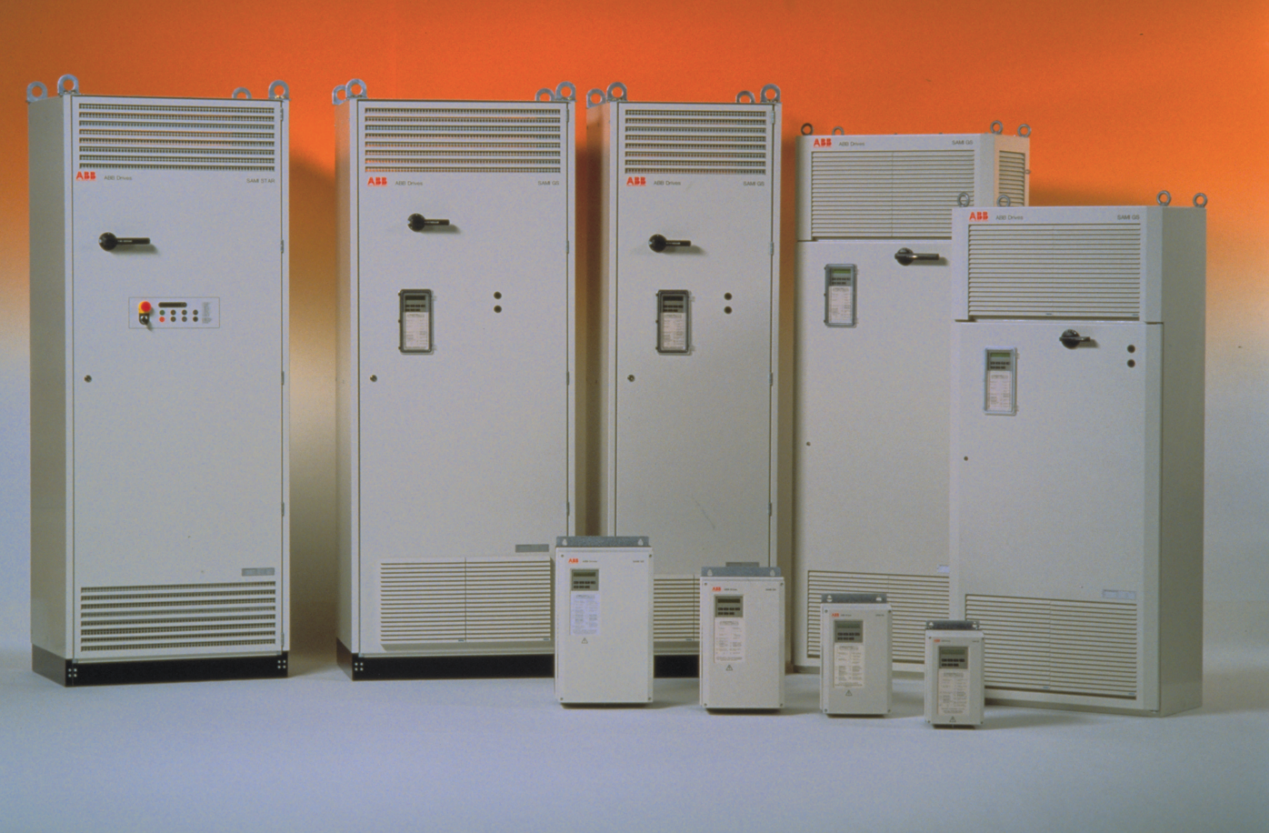
However, the journey was not without challenges. Our first major project with ABB was the Dandong Chemical Fiber Viscose Production Line. This line required multi-axis synchronization control and adopted ABB's ACS500, the first ABB drive series manufactured in China. As a fresh engineer, it was my first involvement in what seemed like a highly complex system. I spent nights on-site commissioning equipment, wearing out the ABB converter manuals—a true baptism by fire in my career.
Though time has blurred some memories, I vividly recall our relentless efforts to achieve multi-axis synchronization without breaking the fibers. We worked through the night, repeatedly adjusting PLC and drive parameters, and ultimately achieved precise synchronization by optimizing the drive settings for each process. Together with the ABB sales manager, we celebrated the success of our first major collaborative project.
However, corrosive gases in the chemical fiber plant soon caused the drives to fault after initial stable operation, creating an on-site emergency. ABB demonstrated its commitment as a responsible corporate by responding swiftly, replacing all control boards with high anti-corrosion coated boards and dispatching engineers to work alongside us. Their prompt actions stabilized production and reassured both Dandong Chemical Fiber and our institute, allowing us to experience firsthand ABB's customer-centric mindset.
Years passed, and after two decades with other automation foreign companies, I returned to the ABB family in 2019 as a member of its channel partner Beijing D&D. Little did I expect that the experience gained from addressing corrosion issues decades earlier would prove invaluable again. This time it happened in the rapidly growing new energy segment.
During the pandemic, a key OEM customer—producing MVR crystallization equipment that annually integrated with numerous ABB low and medium voltage drives—reported that one of their end users, manufacturing battery raw materials, demanded switching to local-branded drives due to "frequent failures of ABB drives disrupting production" and requested our immediate intervention.
ABB's after-sales testing of failed modules and control boards had already confirmed the root cause: the end user lacked an independent, enclosed electrical room as required, leading to drive board damage from corrosive gases during early operation. Despite our repeated and free problem solving for the end user, they still had not adopted our proposed corrective measures.
Faced with strong feedback, we decided to address the issue on-site together with the end user. ABB's industry manager, medium voltage product manager, our account manager, technical engineers, and I traveled to the end user's site in Jiangxi.
After inspection and discussion, the end user acknowledged that initial production haste had compromised protective measures, leading to drives corrosion. Unlike the industrial corrosion at Dandong, the Jiangxi site also faced humid environment in southern area—condensation during shutdowns accelerated board oxidation, worsening the damage.
Based on these findings, we agreed on a joint action plan: the end user would implement ABB's recommended site improvements, while ABB and D&D would install electrical dehumidification systems with automated humidity control for the end user. This two-pronged approach—hardware protection and environmental control—resolved the issue after our collaborative efforts.
Since then, we have strengthened comprehensive pre-sales, in-project, and after-sales collaboration with our OEM customers. Through proactive communication and joint prevention strategies with OEM customers and their end users, we mitigate operational risks and truly become value-added partners to our customers.
My most profound memories of ABB are linked to jointly solving challenges for customers. The deep friendships forged in overcoming difficulties together. This is only an episode among many more stories of our collaboration and efforts.
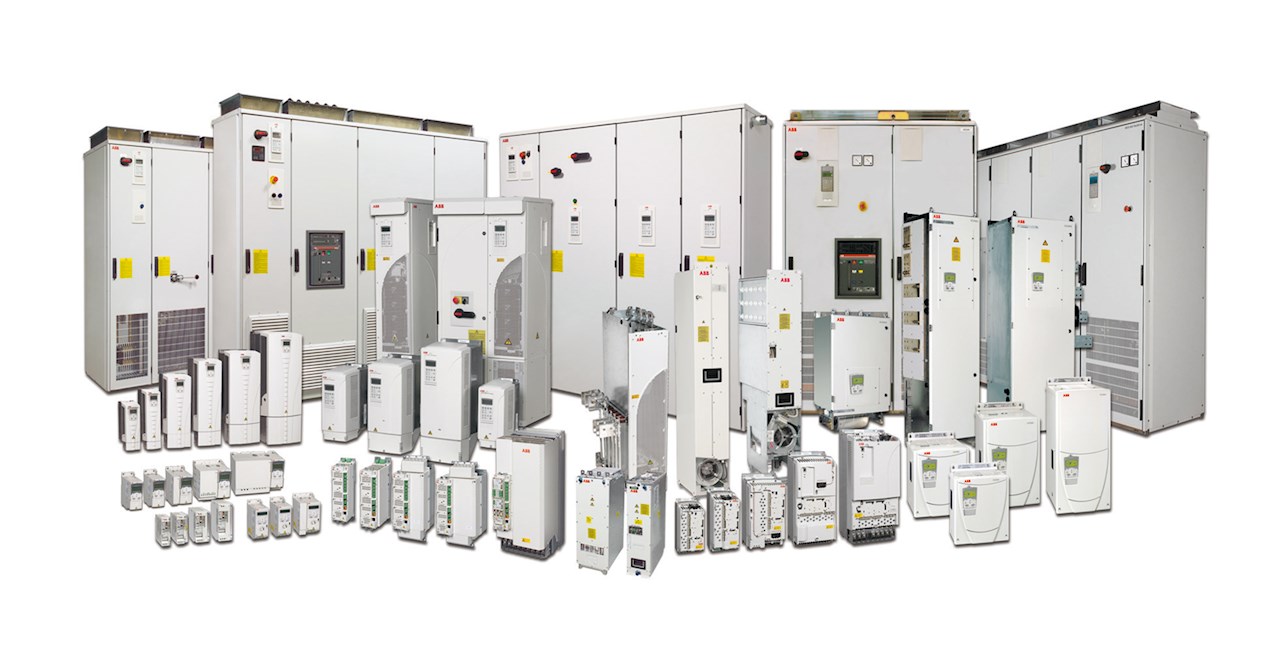
It is the down-to-earth character of the ABB team and their enduring tradition of standing with customers that, over fifty years, has earned such loyal customers and secured the brand’s widespread reputation in the market.
May ABB Low Voltage Drives builds upon this remarkable legacy and continue to write a brilliant future.


