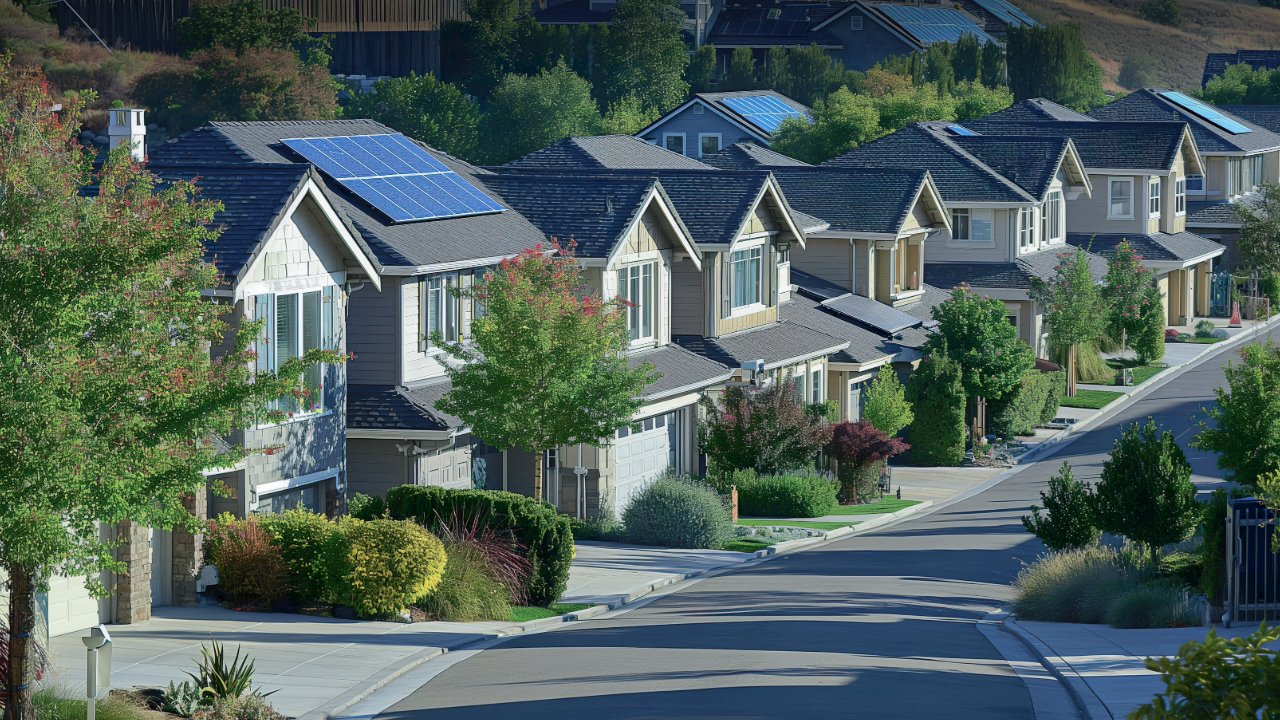
We have come a long way from the first years of electricity-powered homes, where buzzing lightbulbs dimmed or brightened depending on the load.
Today, the average U.S. household has around 67 lightbulbs, 17 electronically-powered connected devices and a range of energy-hungry appliances like fridges, freezers, stoves, dishwashers, washing machines, heaters and air conditioners, often running simultaneously. Remote work, electric vehicle charging and heat pumps further increase these demands.
An effective way to address these growing needs is smarter use of the electricity already flowing into our homes. Today’s technologies provide solutions for both efficiency and resilience. Here are three examples that show how.
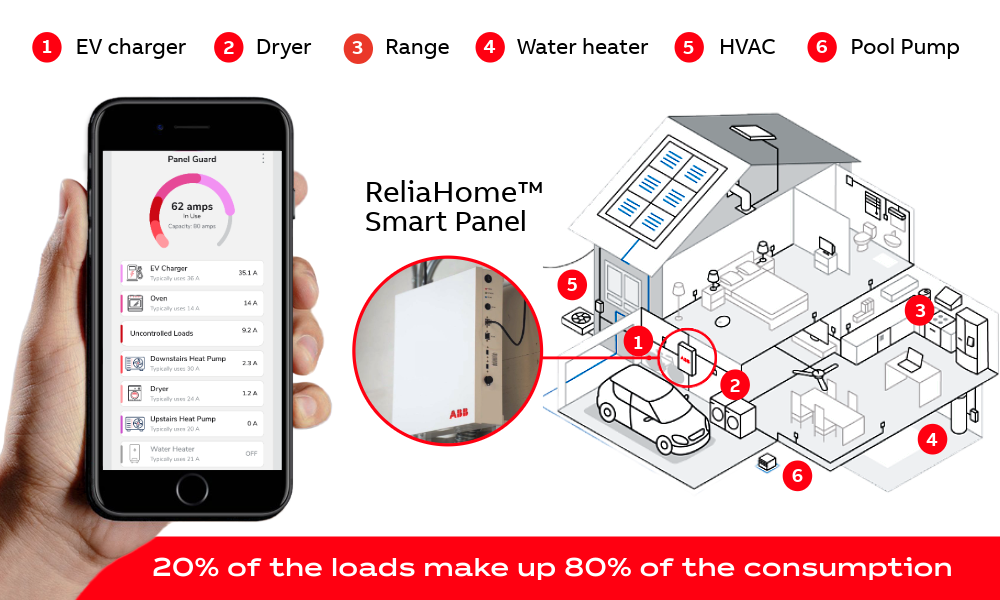
From a beach house to a tiny home, smart panel technology helps manage and prioritize energy use with an easy-to-use app that offers real-time insights. 
Energy use becomes visible for Texas vacation rental owners thanks to smart panel technology. 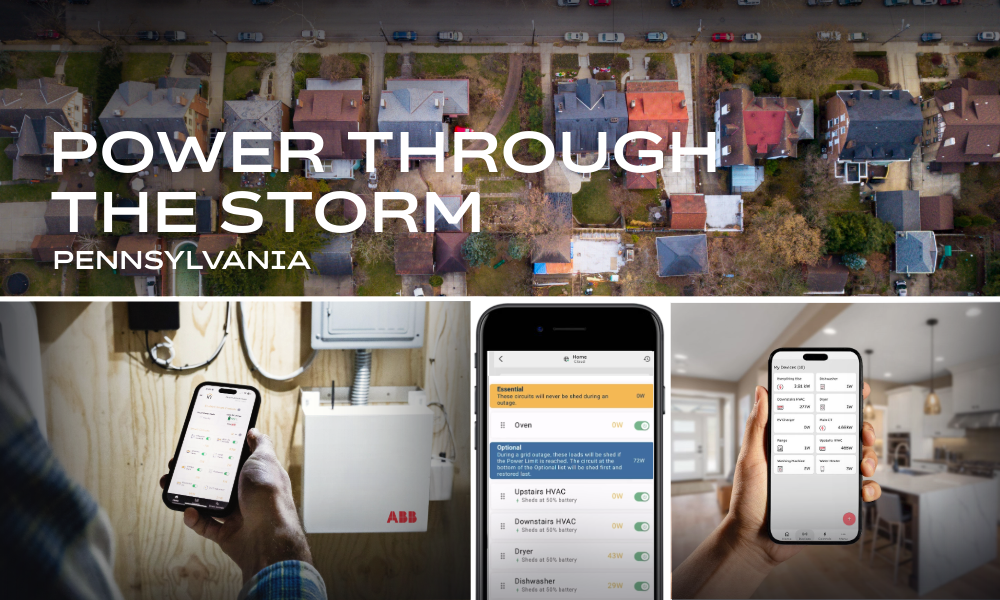
During a multi-day power outage, one homeowner strategized energy use keeping power flowing to meet their family's and even neighbor's needs. 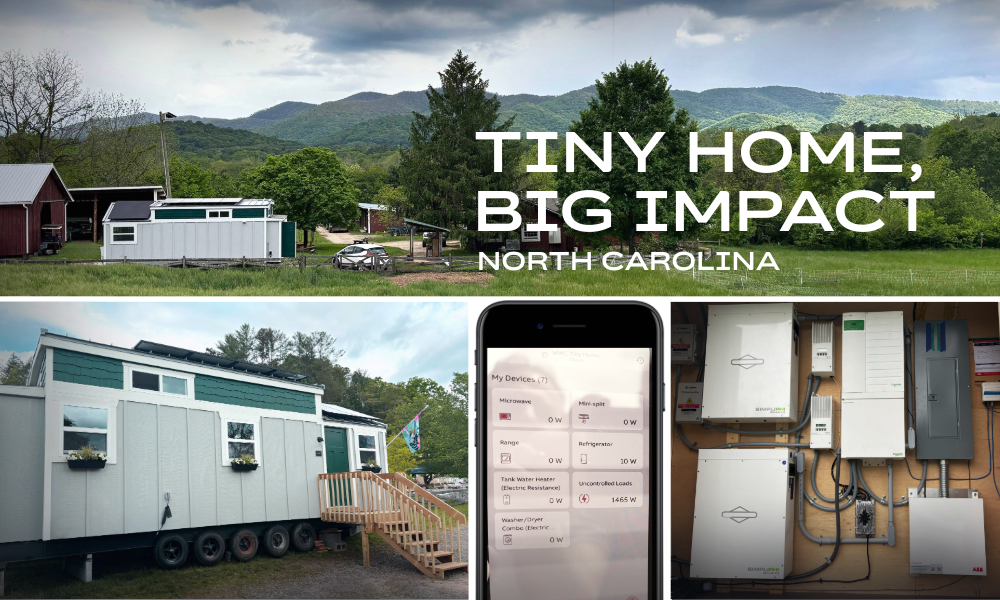
With smart panel technology, hurricane survivors can meet their energy needs - even without a grid connection - using solar panels, battery storage and an inuitive app.
The digitally connected beach house
When property owners open their homes to vacation renters, electricity usage can be a significant variable. Energy bills can fluctuate wildly depending on the renter or season. Owners can find themselves left with minimal profits after paying energy bills.
Smart technologies are changing this for property owners in Crystal Beach, Texas, by giving them real-time visibility and wireless control of their home’s load management system.
A smart panel lets owners view what’s being used when, giving them the insight they need to make better decisions. It also allows them to remotely switch off anything left running when a guest leaves.
Powering up when the grid is down
Every year, extreme weather events are becoming more frequent, and homeowners are increasingly looking for solutions to keep power flowing in all conditions.
Take the story of one homeowner and solar industry expert living in Pittsburgh, Pennsylvania with his family. He had just installed a solar array, battery storage and a smart panel system in his home when a windstorm knocked out power for days. During the power outage, smart technologies became a lifeline.
With his smart panel, the homeowner managed energy strategically: charging his solar panels when the sun was up and then using stored battery power to run selected appliances throughout the rest of the day. His foresight helped his family and his neighbors weather days of being cut off from the grid. One neighbor even came over to charge her hearing aids.
More and more, architects and builders are realizing the importance of flexible energy management, especially in emergency response.
Tiny home, mighty power
In Asheville, North Carolina, a solar-powered tiny home is a living example of how smart home technology can be a gamechanger in times of crisis – and beyond. This little home is big on power, enabling a family recovering from Hurricane Helene to live their full lives, even without a grid connection.
Thanks to the home’s smart panel and battery energy storage, the family can efficiently manage their electricity use, maximize solar energy storage and expand capacity when needed. They can get real-time insights through an intuitive app to prioritize energy use effectively.
The Asheville project shows the potential of combining solar and storage in disaster recovery housing.
A brighter future calls for smarter energy use
Every homeowner who gains visibility into their energy use, every family that weathers a storm with power to spare, every community that stays connected when the grid goes down is another building block in a more resilient future. As the world changes around us, smart energy management isn't a luxury or a nice-to-have, it's a fundamental next step in adapting to changing power demands.
For more information on how ABB's ReliaHome Smart Panel can manage your home's energy, click here.


