Asia’s energy systems are entering a new era of climate stress, where traditional assumptions about weather, performance and grid behavior no longer hold. Utilities and industries are seeing events that arrive faster than systems were designed for, and the consequences are felt far beyond the grid.
According to the World Meteorological Organization (WMO), Asia is warming nearly twice as fast as the global average, where extreme weather events are far from the exception but are now the norm. This has compounding effects on economies, ecosystems, and communities, while placing unprecedented stress on power systems that support daily life and essential services.
For those of us working with the energy sector, each new event reinforces an uncomfortable truth: the climate assumptions that shaped decades of grid planning no longer apply.
The human cost of infrastructure failure
When energy infrastructure fails, fragile communities bear the brunt of its effects. UN agencies have repeatedly highlighted that communities in East Asia and the Pacific are among the most exposed globally to climate hazards, with children and vulnerable populations disproportionately affected. As storms arrive in faster succession, communities are left with little time to recover, repair infrastructure or rebuild livelihoods before the next event hits.
These cascading shocks expose a deeper vulnerability: when energy systems are not designed to withstand disruption, the consequences travel far beyond the grid itself. What begins as a technical failure quickly becomes a societal one – amplifying risk, eroding resilience, and widening inequalities at moments when reliability matters most.
What works when systems are pushed to the limit
Understanding the challenges is only the first step. What truly shapes outcomes during climate disasters is how quickly and effectively teams can respond. Typhoon Kajiki was a stark reminder of this. When it tore through the Mekong Region, it claimed lives in Vietnam and Thailand, forced hundreds of thousands to evacuate and left more than 1.6 million people without power across Southeast Asia. Events like this show how high the stakes are – and how decisive action can limit the damage.
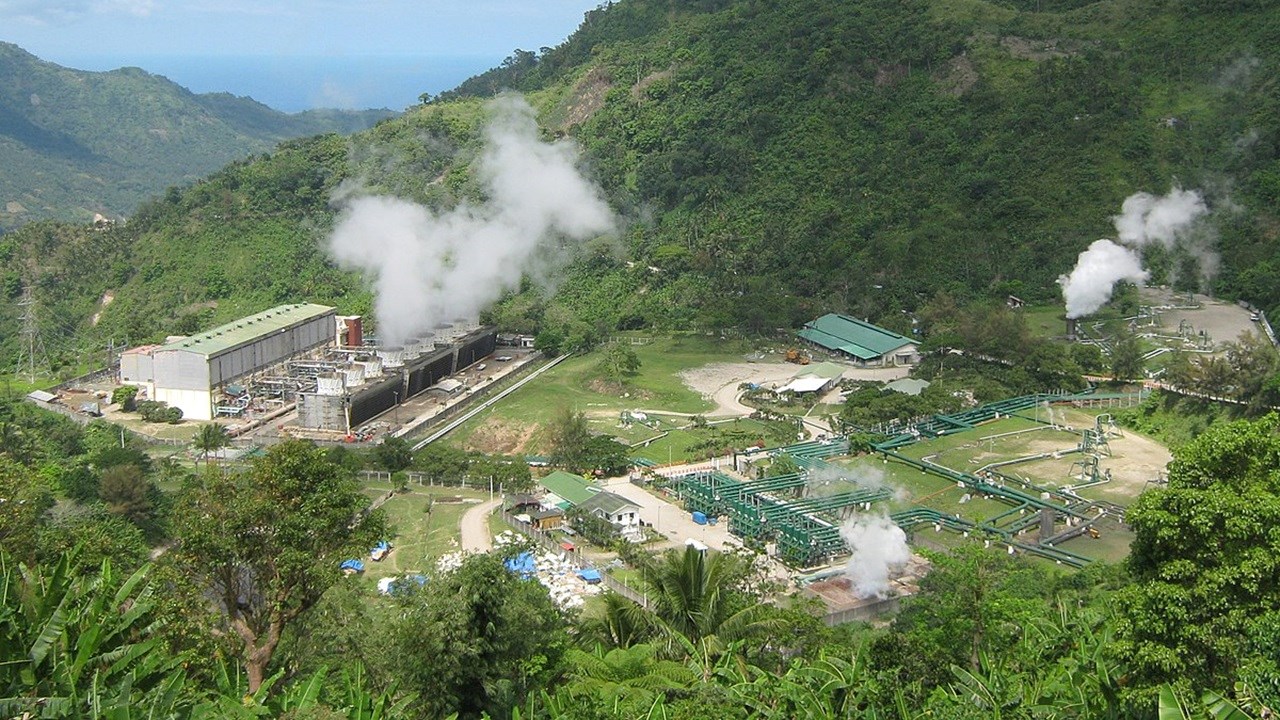
Our experience in the Philippines last year brought this into sharp focus. During a severe tropical storm, the Energy Development Corporation’s 110 MW Nasulo geothermal plant was forced into a full shutdown after 37 years of reliable operation. The technical challenge was significant, but the human impact was even greater, with nearly a million people facing extended outages at a moment when they needed stability the most. What enabled rapid restoration wasn’t just strong technology. It was the operational trust built over decades, clear emergency protocols and teams who knew exactly how to work together under pressure. That readiness made all the difference.
Our engineering teams on call were fully prepared and equipped with established emergency protocols. Because of that readiness, they restored power within 48 hours of the emergency call. Their response underscored the critical importance of preparedness, coordination and long‑standing operational partnerships in moments like this. It showed that readiness is not theoretical. It directly protects communities when crises hit.
Preparing for the next storm
As climate risk accelerates across Asia, traditional approaches – designing infrastructure around historical weather data and responding after failure – are proving insufficient.
Building resilience today requires a shift toward:
- predictive monitoring that identifies vulnerabilities before storms arrive
- asset strategies informed by long-term performance data, not short-term fixes
- established emergency response frameworks that can be activated immediately
- flexible and distributed architectures that reduce single points of failure.
At ABB Electrification Service, we’re making this possible By partnering with utilities, asset owners, and operators across the full infrastructure lifecycle, we help make resilience an integrated capability rather than a reactive measure.
Our work with EDC illustrates what’s possible when preparedness becomes an operational discipline. Climate change will continue to reshape risk in complex, unpredictable ways. The question for the energy sector isn’t whether their systems will be tested, but whether they’re ready. And at ABB, that’s exactly what we do: we help industries outrun the challenges ahead.


