What makes a building smart? Imagine this: you walk into an office space early in the morning. The temperature feels right. Lights adjust gradually as daylight increases. Energy is flowing where it’s needed and nowhere else. There is no visible intervention. Yet behind the scenes, hundreds of small decisions have already been made. Buildings like this don’t just consume electricity. They manage it to create spaces that are safer, more comfortable, efficient and sustainable.
As organizations work toward decarbonization and resilience, intelligent buildings deliver better occupant experiences, lower operating costs, and stronger asset performance. In a nutshell: they are no longer static structures. They respond. They anticipate. They adapt.
Buildings are transforming from passive energy users into active participants. Here are four examples of smart building types taking on dominant personalities based on priorities.
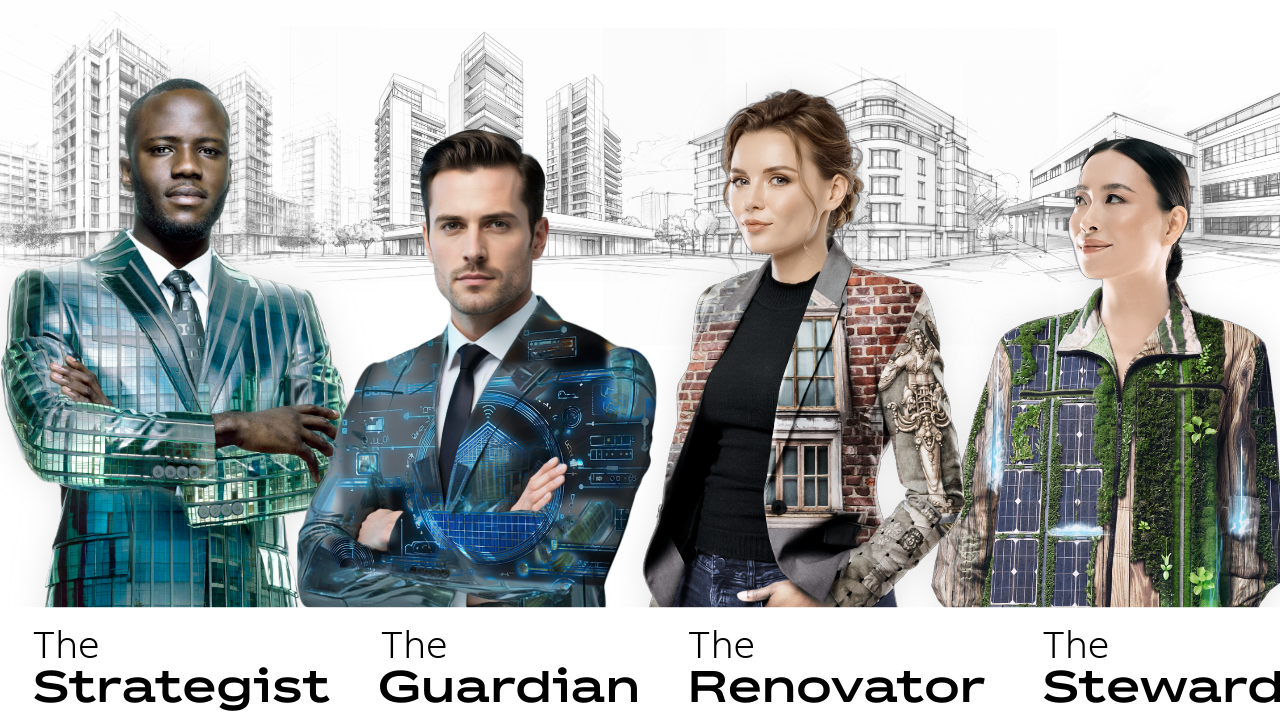
THE STRATEGIST: A SMART BUILDING THAT OPTIMIZES ENERGY CONSUMPTION
Strategist buildings connect and coordinate multiple systems – from lighting and climate control to energy management and automation. How do these smart buildings improve efficiency? Using sensors, controllers, and digital platforms, they continuously monitor conditions and adjust operations in real time. Their goal is simple: deliver the best possible experience with the least waste.
What it looks like for hospitality buildings
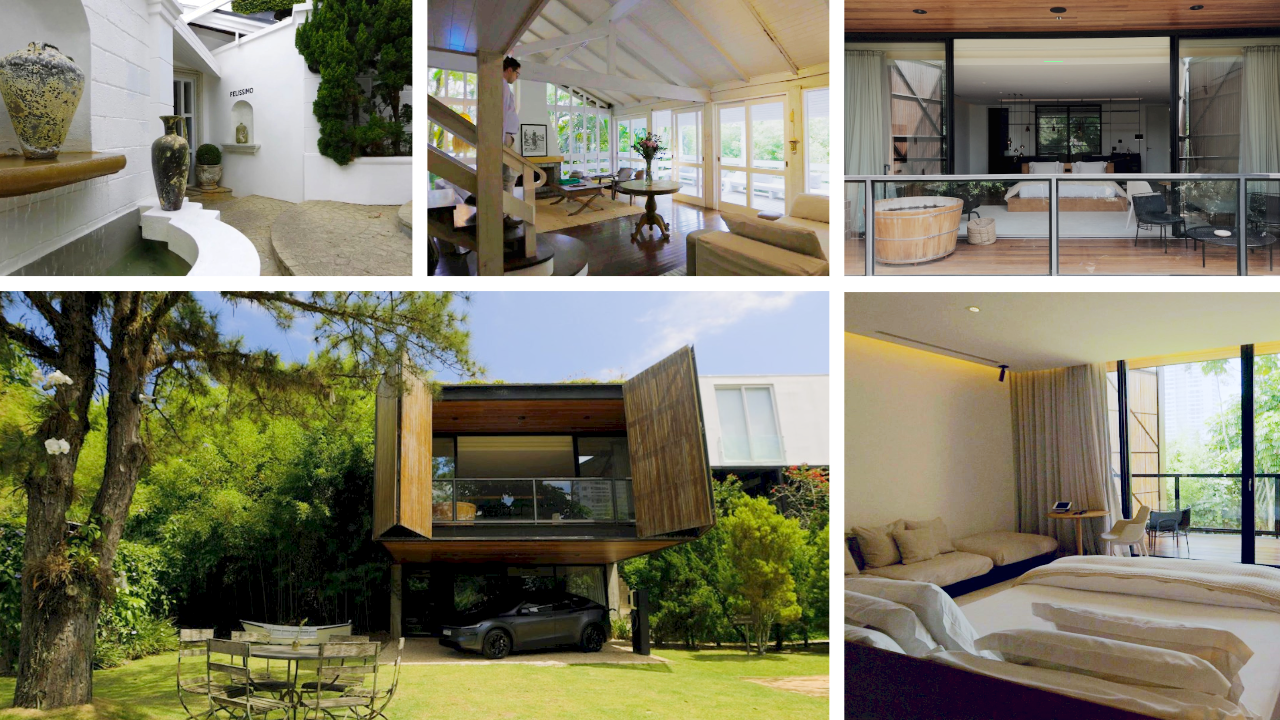
Casa Verde, located on the coast of Santa Catarina, Brazil, combines automation, electrification and renewable energy to create a fully responsive guest environment. Lighting, blinds, climate and energy systems are connected through a platform that allows settings to adjust automatically based on occupancy, time of day and external conditions. Guests experience a seamless, responsive and comfortable space. Operators gain real-time visibility into energy use and building performance.
THE GUARDIAN: A CONNECTED BUILDING DESIGNED FOR RESILIENCE
Guardian buildings use advanced electrical protection, fault detection and monitoring technologies to identify risks early, prevent disruptions and even perform when everything else stops. Their focus is on maintaining safe, reliable operations – especially in environments where downtime or electrical faults can have serious consequences.
What this looks like for critical infrastructure
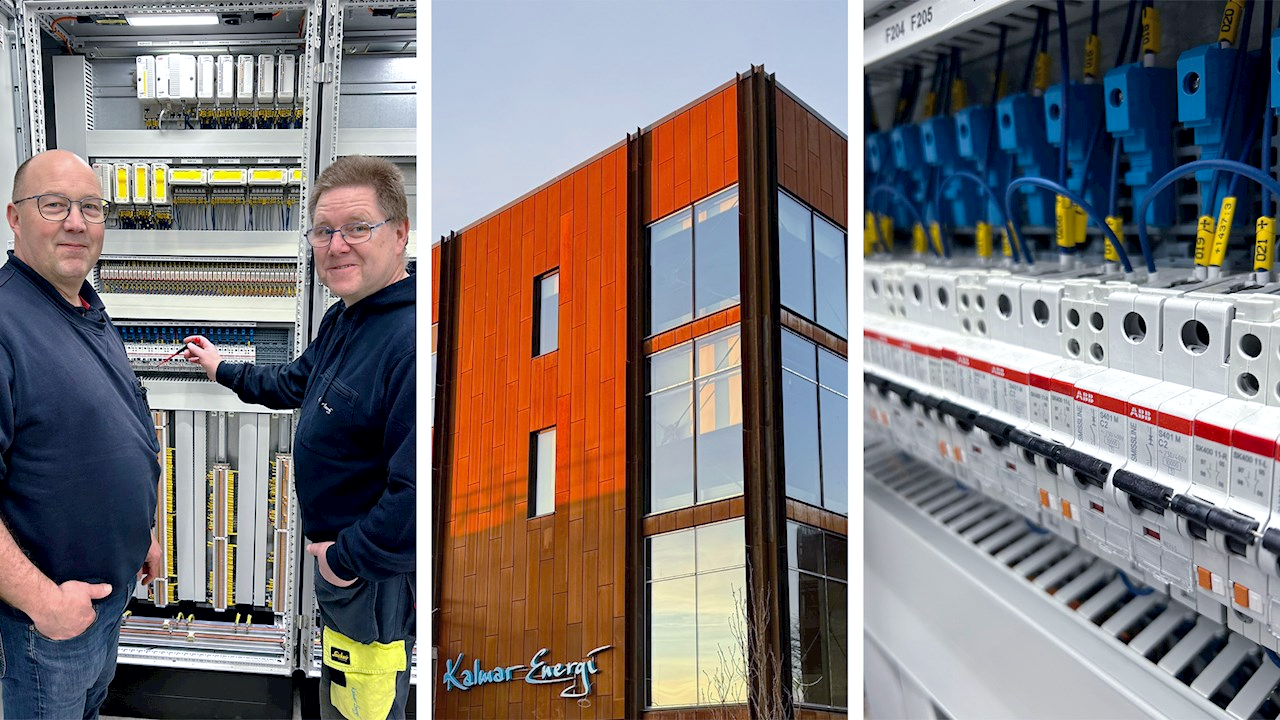
Utilities today need to strengthen the reliability of their distribution as demand increases exponentially and energy systems become more decentralized. In Sweden, energy provider Kalmar Energi deployed advanced protection and monitoring technologies across its network. Plug-in components allow upgrades and maintenance without shutting systems down, while continuous monitoring helps identify faults before they escalate. The result is a more resilient grid – and uninterrupted service for the communities that depend on it.
THE RENOVATOR: A LEGACY BUILDING RETROFITTED WITH SMART TECHNOLOGY
Around 80% of buildings that will exist in 2050 have already been built. Many were designed decades ago, long before energy efficiency or automation became priorities. Compact, interoperable technologies are key in this case, as they integrate new digital capabilities into older infrastructure and allow building owners to improve performance, efficiency and user experience while preserving the original building.
What this looks like for residential buildings
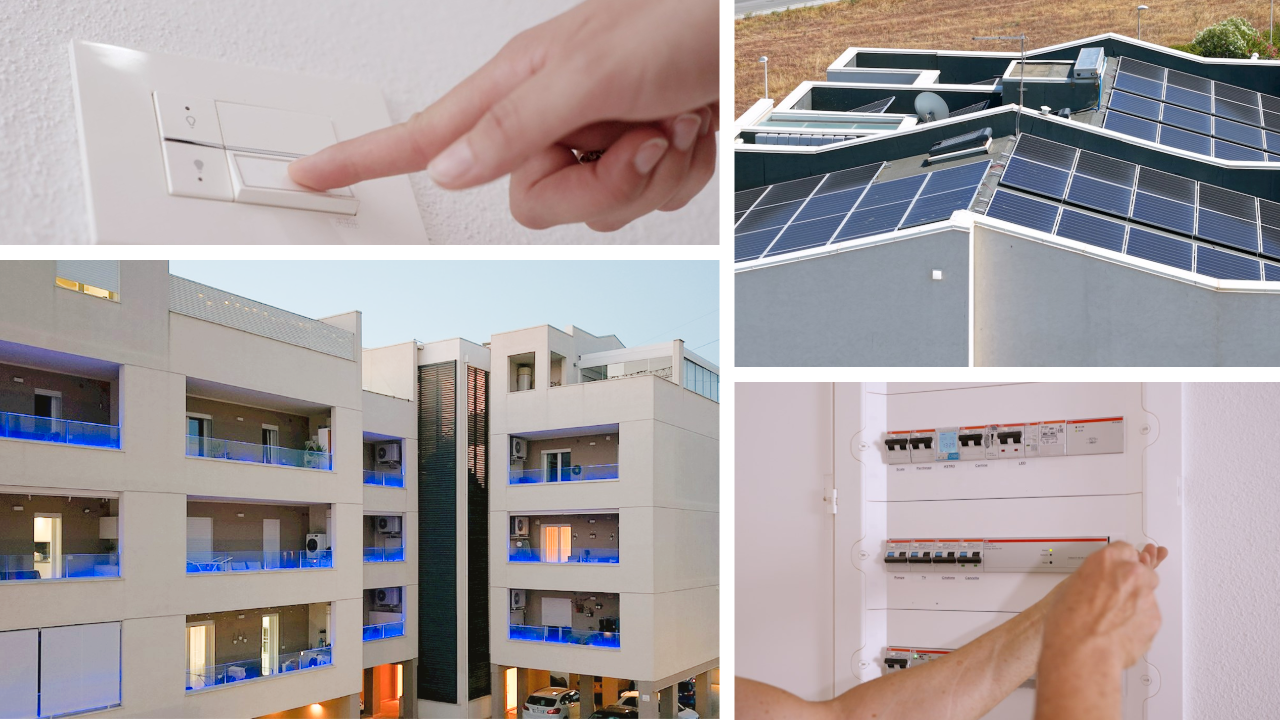
In Sardinia, Italy, a residential condominium built in the 1970s became the island’s first fully digital condominium. Intelligent electrification and automation systems were integrated into the existing infrastructure, enabling centralized control and real– time monitoring of energy use, lighting and shared systems. Residents benefit from improved comfort, convenience and awareness of their energy consumption. Building managers gain tools to optimize performance and reduce inefficiencies.
THE STEWARD: A BUILDING ENGINEERED FOR LONG-TERM SUSTAINABILITY
Steward buildings are designed to minimize environmental impact while maintaining operational performance. They combine electrification, renewable energy and intelligent energy management to reduce emissions and improve efficiency over time.
What this looks like for industrial buildings
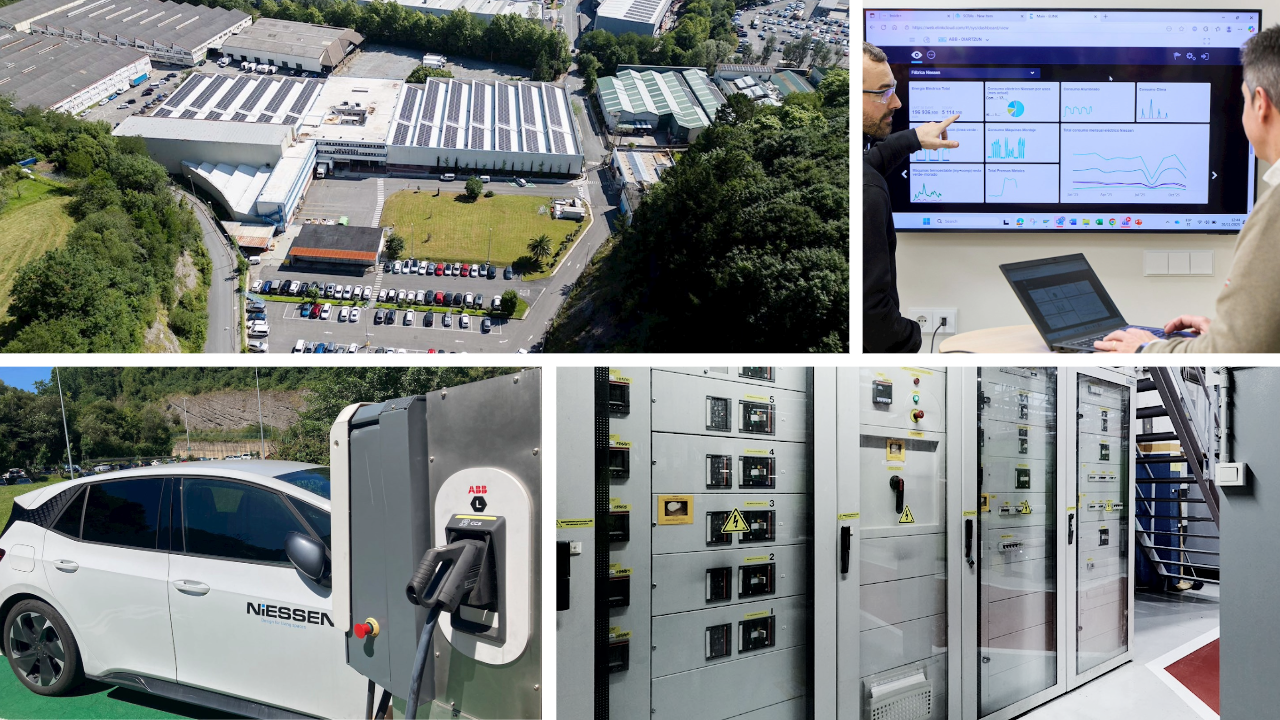
In Oiartzun, Spain, an ABB industrial facility reached zero operational emissions through electrification, renewable energy integration and intelligent energy management. Energy flows are monitored and optimized continuously, reducing reliance on fossil fuels while maintaining reliable operations. The site demonstrates how industrial buildings can actively contribute to decarbonization – not as a future ambition, but as a present–day reality.
Buildings are no longer passive participants. They are active contributors to a more intelligent, resilient and sustainable built environment.
For more on this topic, you can read this blog article by Mike Mustapha, Division President of ABB Smart Buildings.


