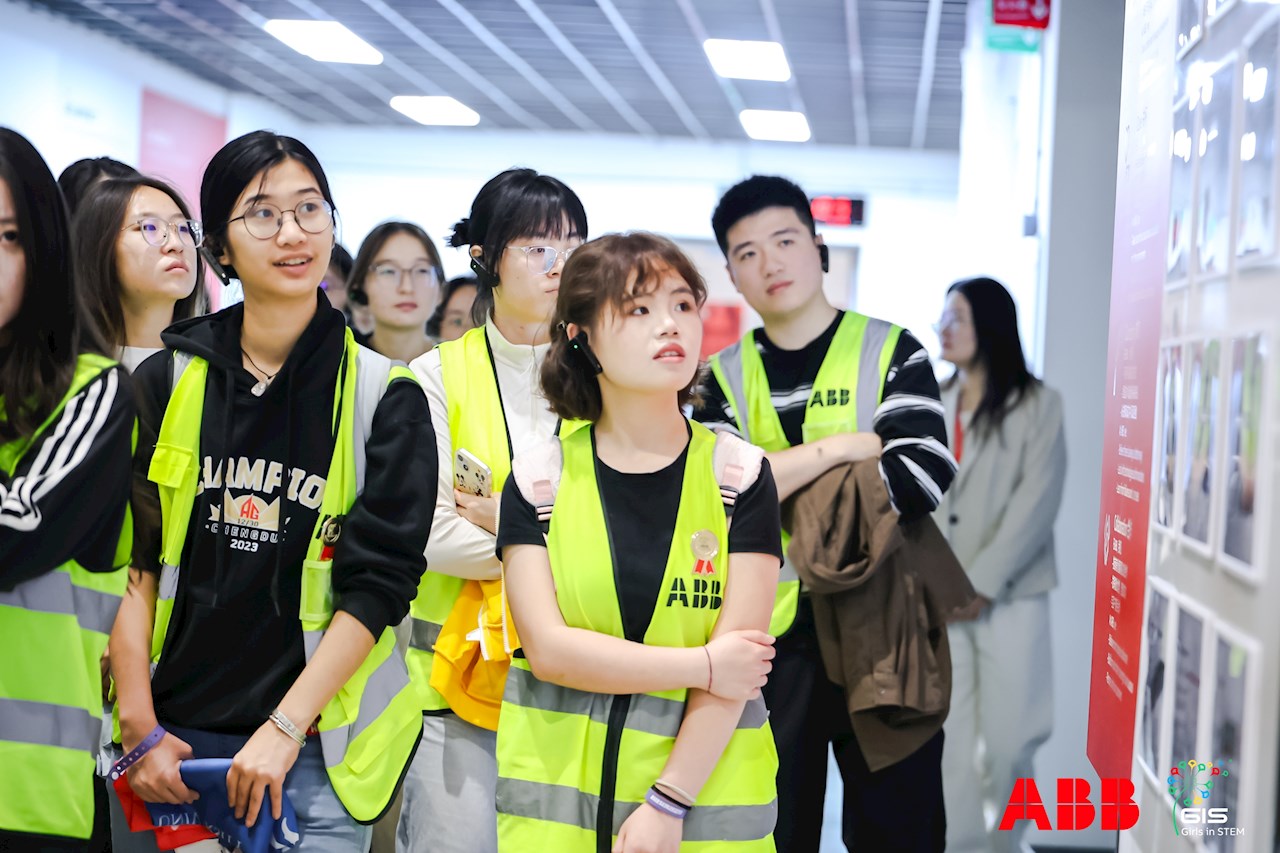
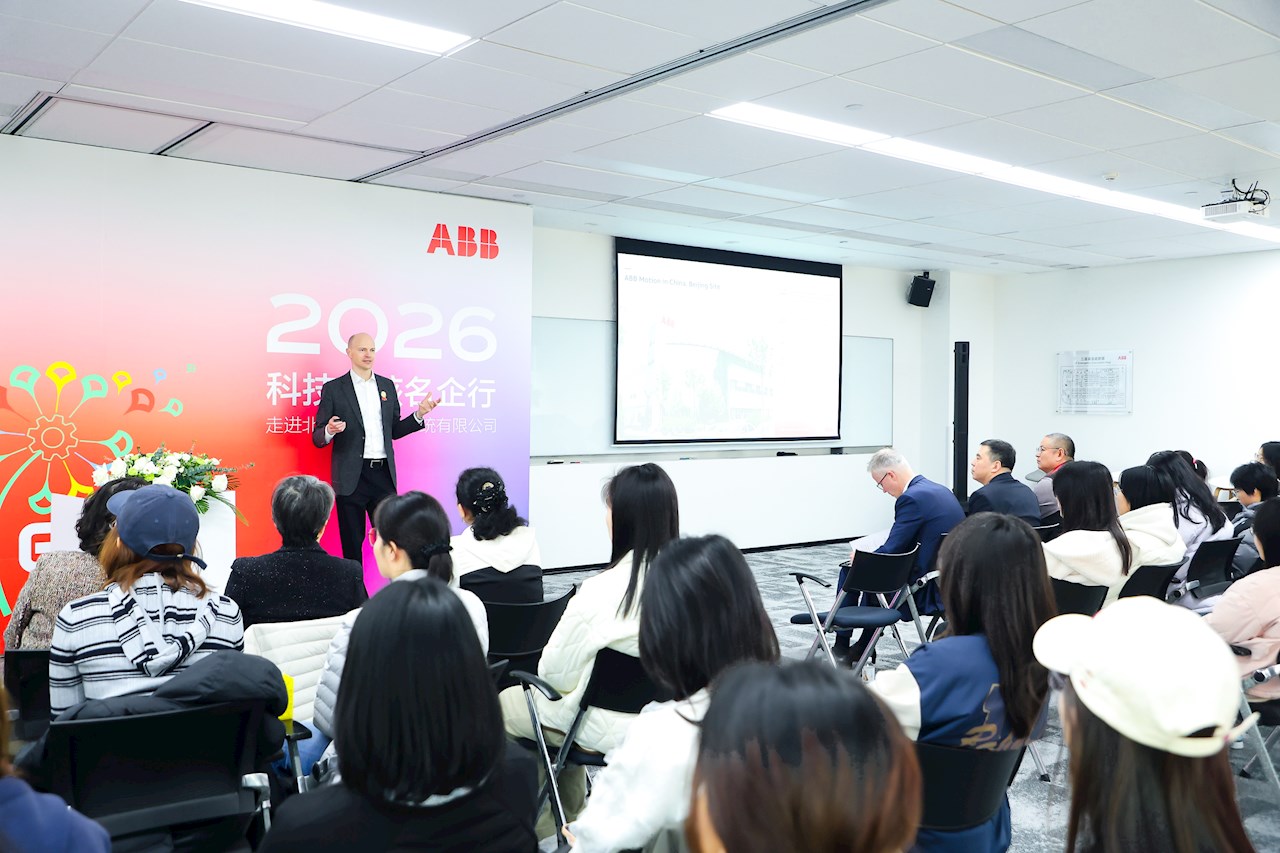
Recently, more than 50 young women from eight universities visited ABB's Drives green factory in Beijing for a half-day study tour combining a technical workshop, an in-depth conversation and smart factory tour.
Where theory meets the real world
This was not a standard factory visit. ABB Beijing Drives holds official "Green Factory" certification from China's Ministry of Industry and Information Technology—which means sustainability is embedded into its daily operations.
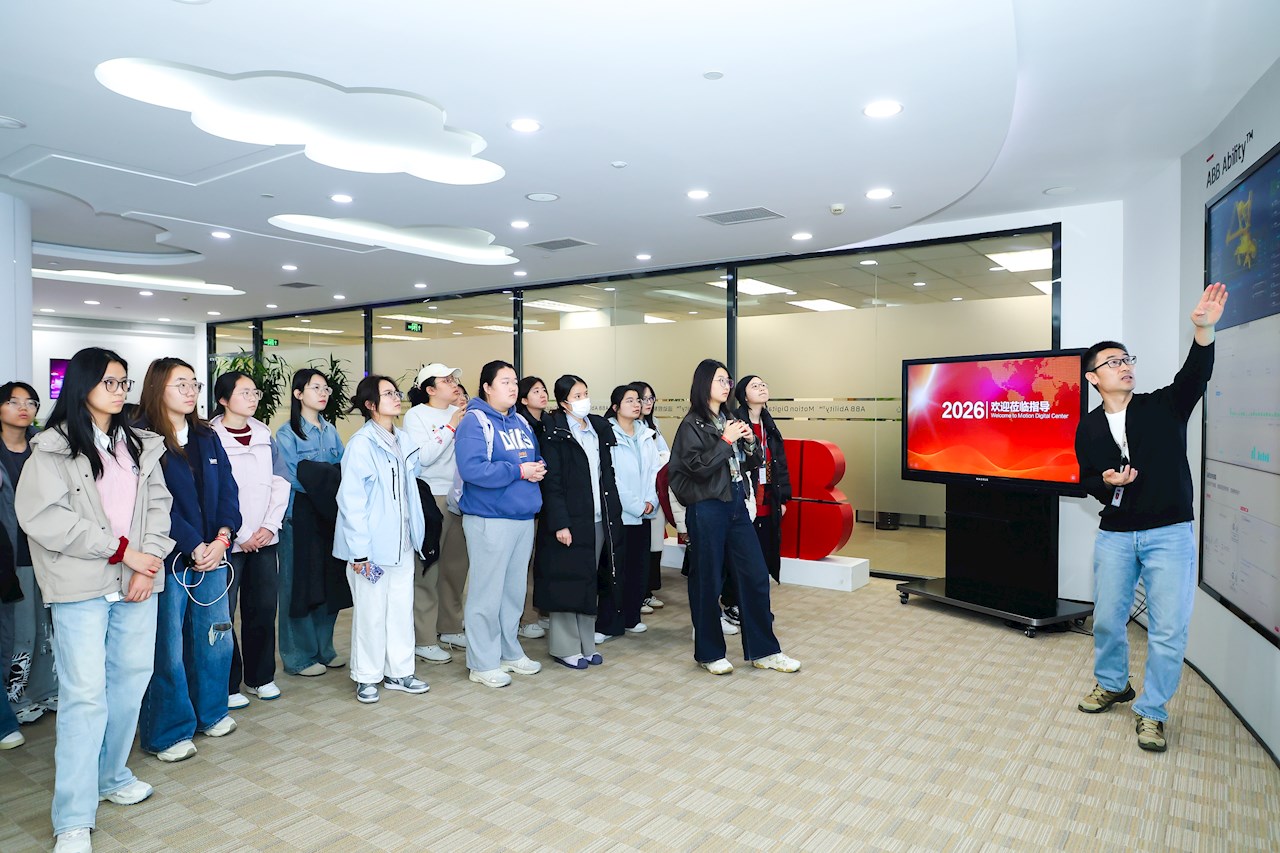
During the tour, the students observed industrial robots working alongside human operators, saw captured waste heat from motor testing being reused to warm the building in winter, and viewed rooftop solar photovoltaic panels generating clean energy in real time. At the Motion Digital Center, a large display screen showed the live operating status of ABB drives and motors across the country, with instant alerts displayed as needed.
For students studying engineering and STEM related majors, the visit brought classroom theory to life. Circular economy concepts they had studied were on visible display throughout the facility.
In conversation: Women in STEM
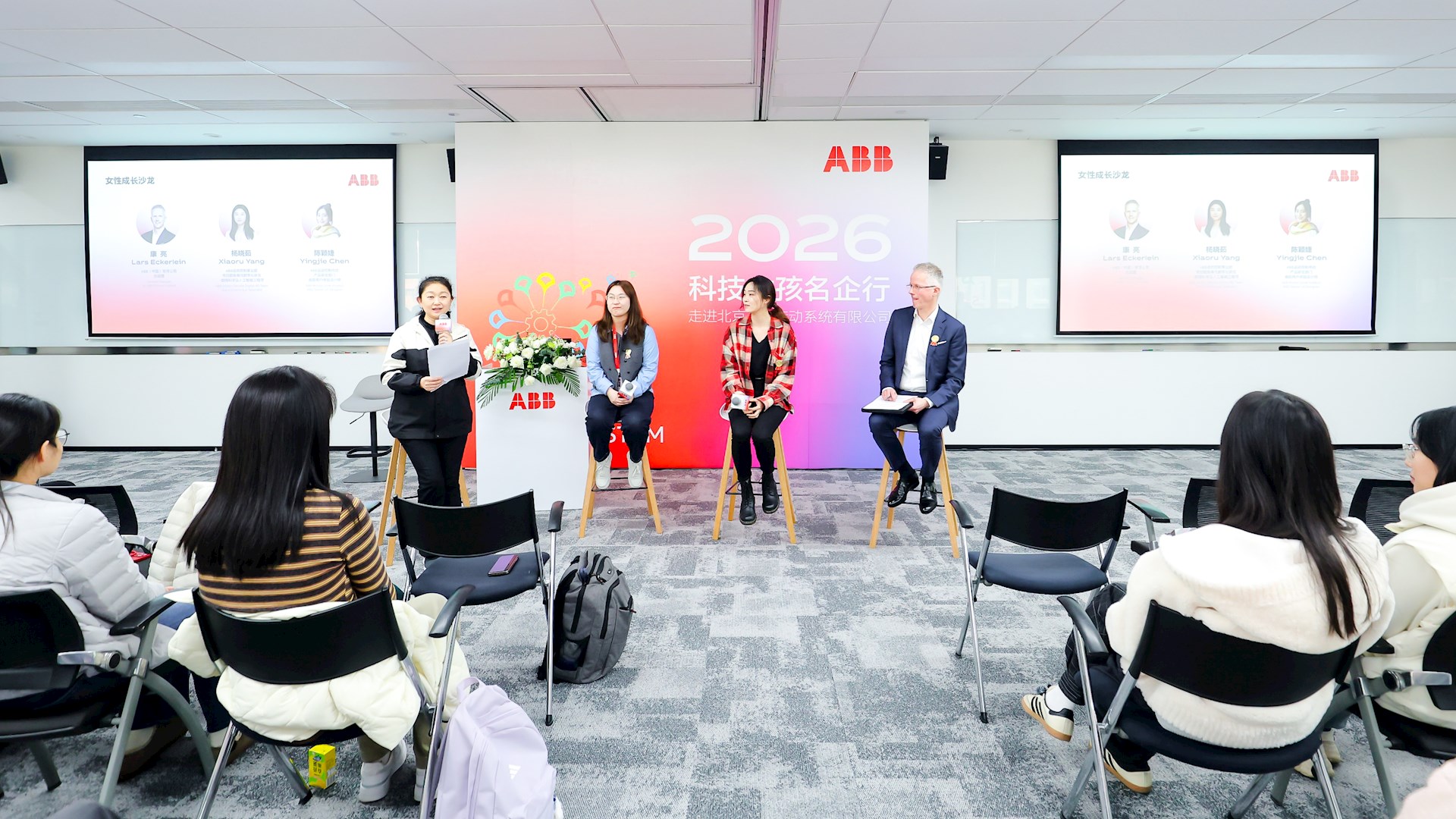
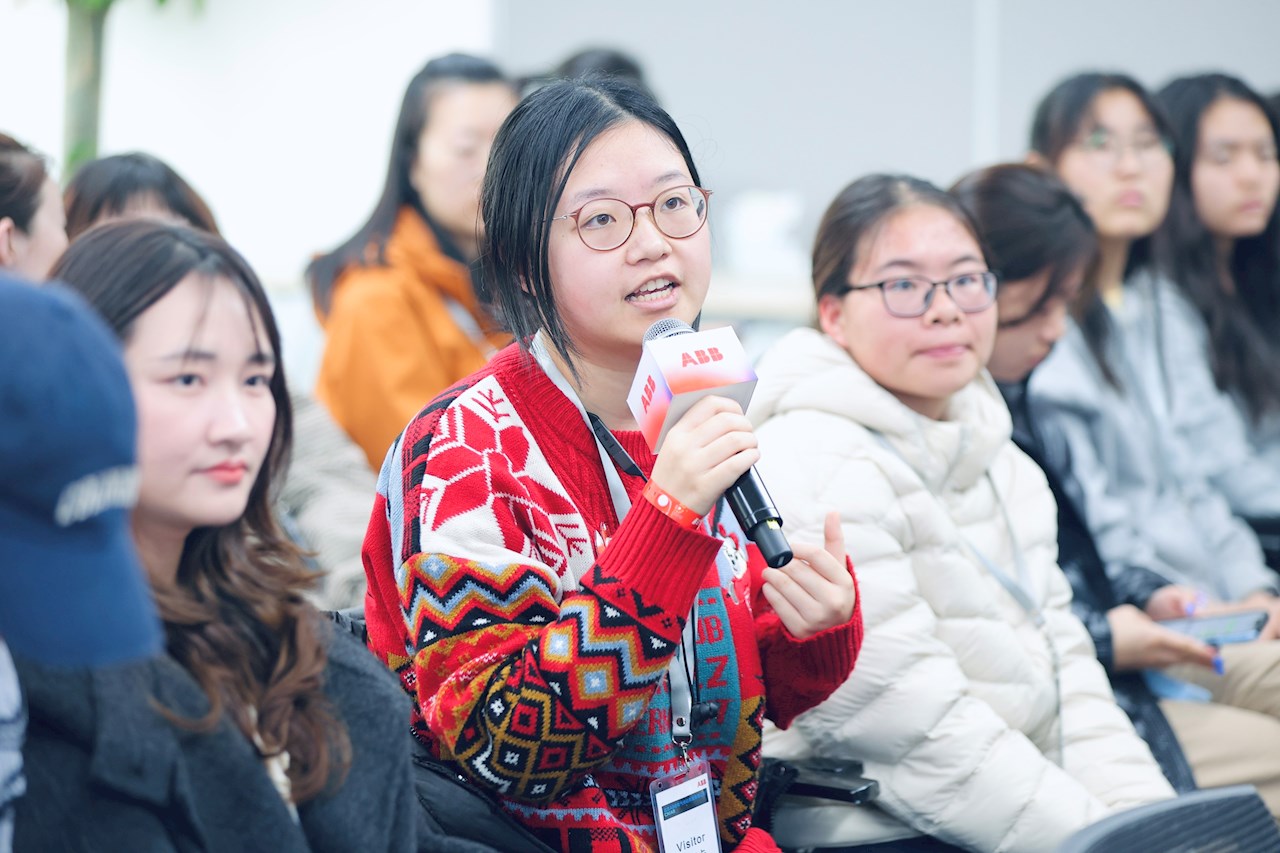
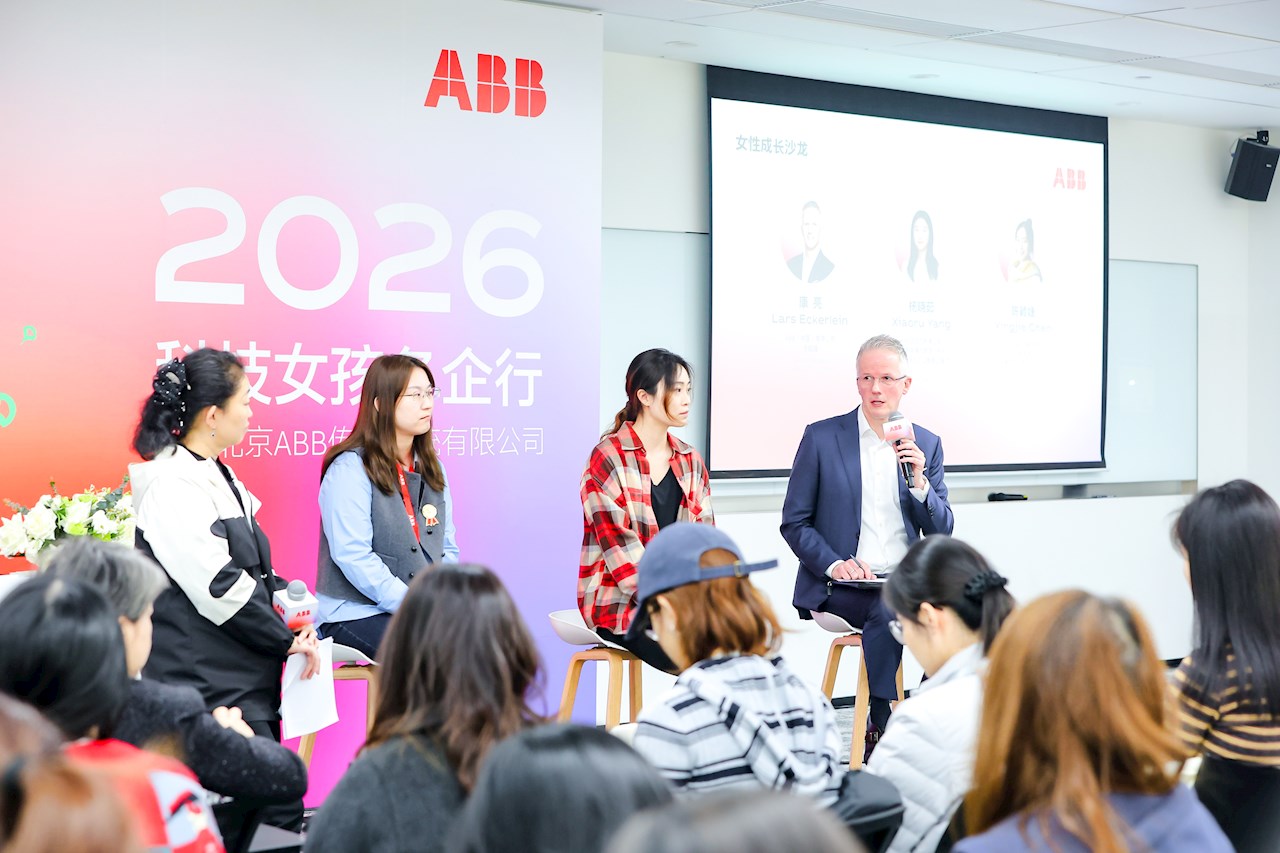
The Women Talk session turned into the day's most honest conversation. Through wide-ranging discussions—spanning lifelong learning, building skills in the AI era, work-life balance, industry talent demands, and the unique advantages and challenges for women pursuing STEM careers—the girls came away truly inspired.
Professor Zhang Jingrui from Beijing Institute of Technology faced the work-life balance question directly. Her answer surprised the room. "Stop thinking sequentially," she told them. "We've been taught to finish one thing, then start the next. But life today demands parallel thinking, advancing multiple things at once, finding rhythm in their intersection."
Xiaoru Yang, an AI Engineer at ABB Motion, spoke to the gap between classroom learning and real-world application. “Those abstract linear algebra lectures you're sitting through—I use them daily to build algorithms that solve real problems,” she said. “The math hasn’t changed. The context makes it matter.” She also encourages young women to embrace AI to boost their learning and work efficiency, positioning themselves to thrive in an era of rapid technological change.
And when a student wondered whether sensitivity helps or hurts in technology, UX Designer Chen Yingjie responded: "Empathy isn't a weakness. Users need warmth, not just logic. Technology without understanding is just noise."
Lars Eckerlein, General Manager of ABB (China) Limited, noted that women currently represent over 30% of ABB China's senior management — a present reality rather than a future target. "Women bring indispensable and diverse perspectives to the STEM ecosystem," he said. Through flexible work arrangements, mentorship programmes, parental leave, and other initiatives, ABB is working to make those perspectives a consistent part of how the company operates.
Wang Haohua, a teacher from Beijing University of Chemical Technology who accompanied her students throughout the event, reflected on the day's impact: "Classroom learning is essential, but there's something different about seeing technology at work in person and hearing directly from professionals who have navigated their own paths. That's what stays with students."
Looking ahead
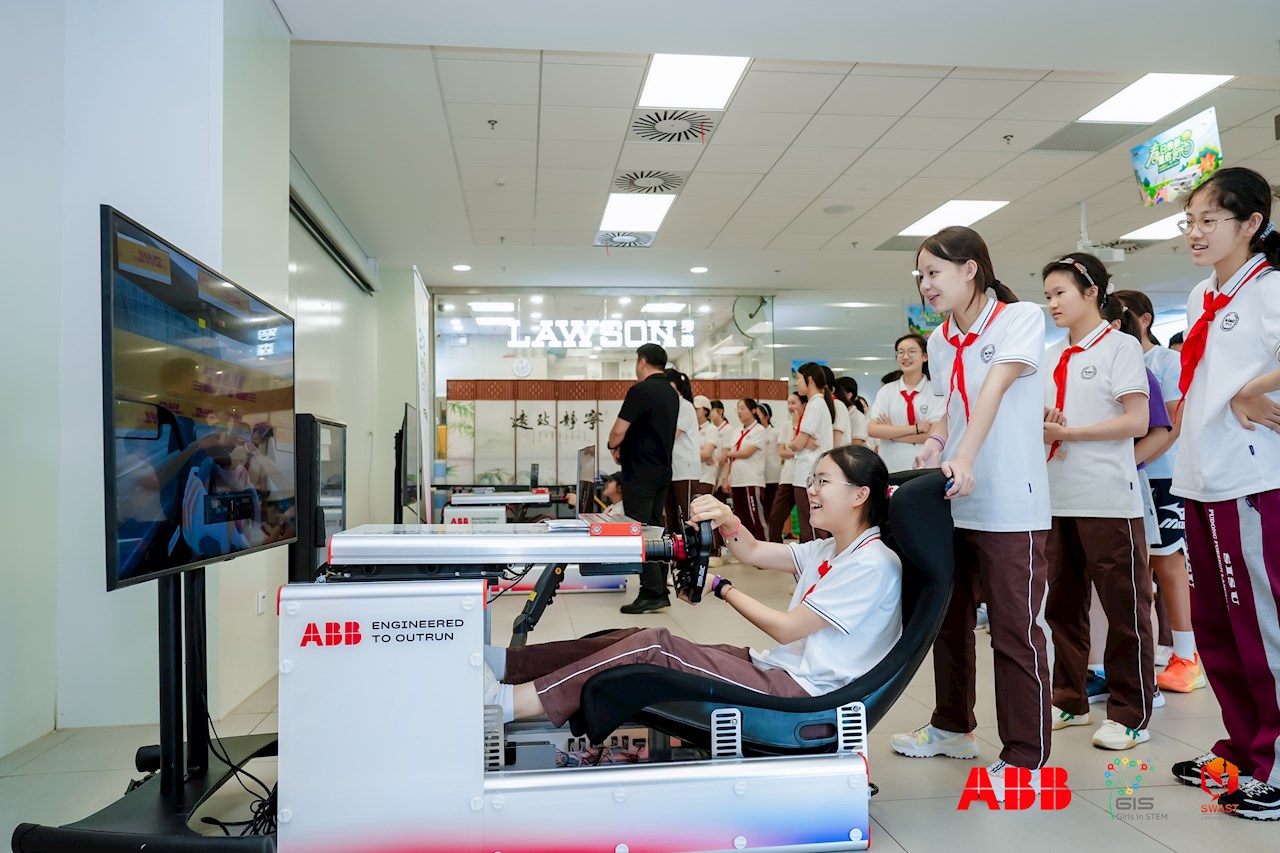
The Girls in STEM initiative was launched in November 2024 with Chinese scientific societies including the Chinese Association of Automation (CAA), the Chinese Society for Electrical Engineering (CSEE), and branches of Women’s Association for Science and Technology (WAST). The program targets female students aged 12 to 25. ABB has hosted four events across Beijing, Shanghai, and Xiamen and reached nearly 300 participants from 11 universities and four middle schools.
Beyond the Girls in STEM program, a variety of initiatives are already making an impact. The ABB–New Great Wall Fund has supported more than 6,000 students in electricity and automation from 58 universities, with several going on to join ABB after graduation. The annual ABB Cup Innovation Contest challenges students to apply classroom learning to real engineering problems; female contestants have consistently stood out for their critical thinking, problem-solving, and practical skills.
But this is only the beginning. According to the latest data from the National Bureau of Statistics, China's female labor force participation rate exceeded 72% in 2025. However, women account for only 36% of the workforce in the sci-tech sectors, leaving significant room for improvement. We will continue working closely with local partners and communities to inspire girls' passion for innovation and promote gender equality in STEM nationwide.


