By Mike Mustapha, Division President of ABB Electrification's Smart Buildings Division
This is the time to act – to actually change how buildings perform.
For years, we talked about what buildings could become. Smarter. Cleaner. More connected. But now the focus is shifting. The real question is: "Are our buildings ready for the world we are living in today and the one we are working to build tomorrow?"
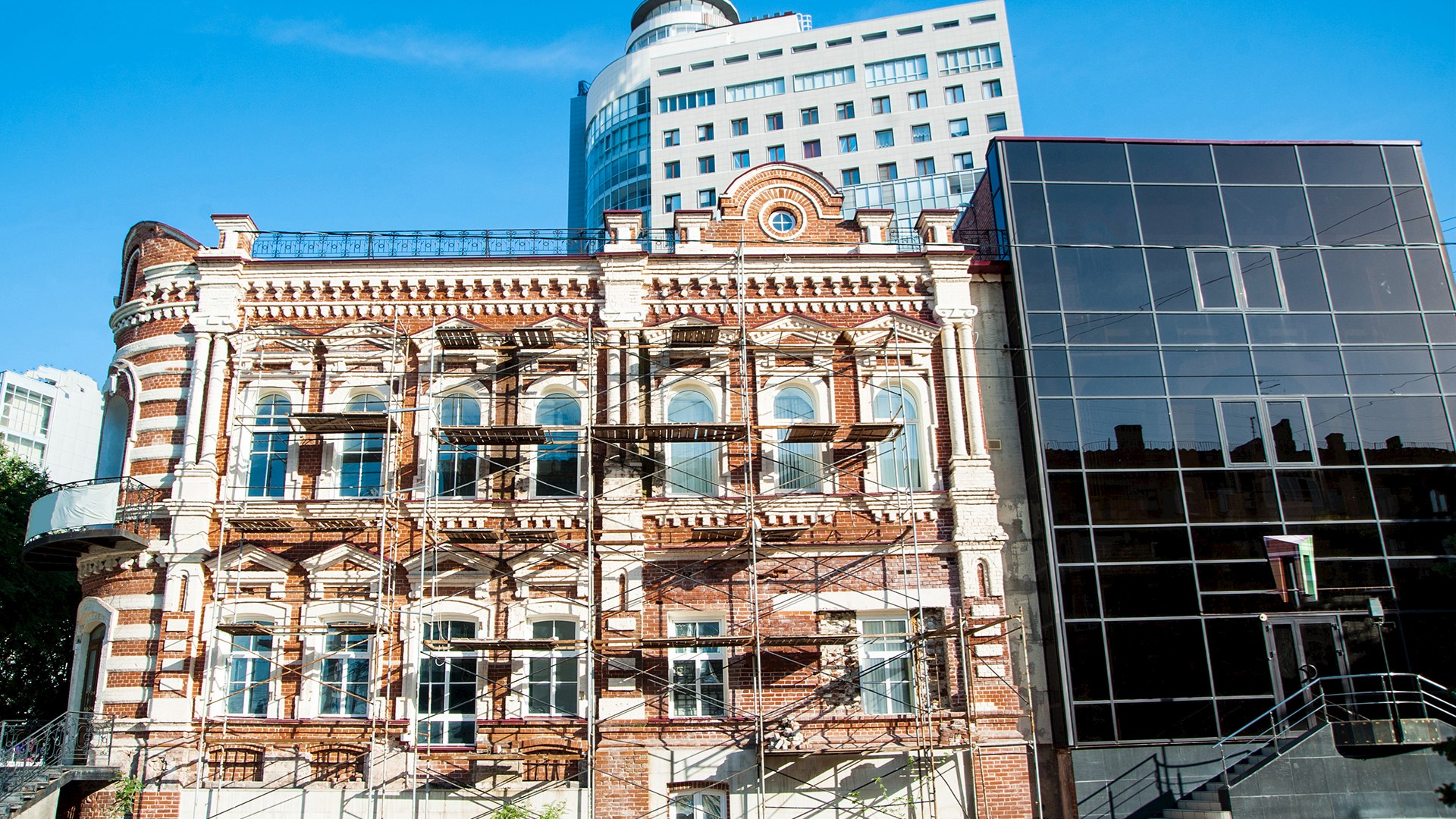
Because here is the reality: buildings account for around one third of global energy demand1. Over their lifecycle, they consume close to 40–50 percent of the world’s material resources2. And perhaps most importantly, it’s estimated that nearly 80 percent of the buildings that will exist in 2050 are already standing today3.
We are not building the future from scratch. We are adapting it - and that changes the conversation.
The retrofit decade
If most of our future building stock already exists, then the greatest opportunity of this decade is not new construction. It is retrofit.
Across offices, hospitals, schools, hotels, factories and mixed-use developments, buildings are being asked to do more than they were ever designed for. Electrification is increasing load profiles. Digital systems are expected to integrate seamlessly. Occupancy patterns are shifting. Regulations are tightening.
Yet many buildings were designed around fixed assumptions – fixed operating hours, fixed energy systems, fixed demand. Over time, systems were added incrementally. Controls were installed. Equipment was replaced in isolation. Then something changes. And what should be a manageable adjustment becomes a disruptive project. The issue is rarely a lack of technology. More often, it is a lack of flexibility.
When buildings cannot adapt, people feel it
Retrofit is a human challenge.
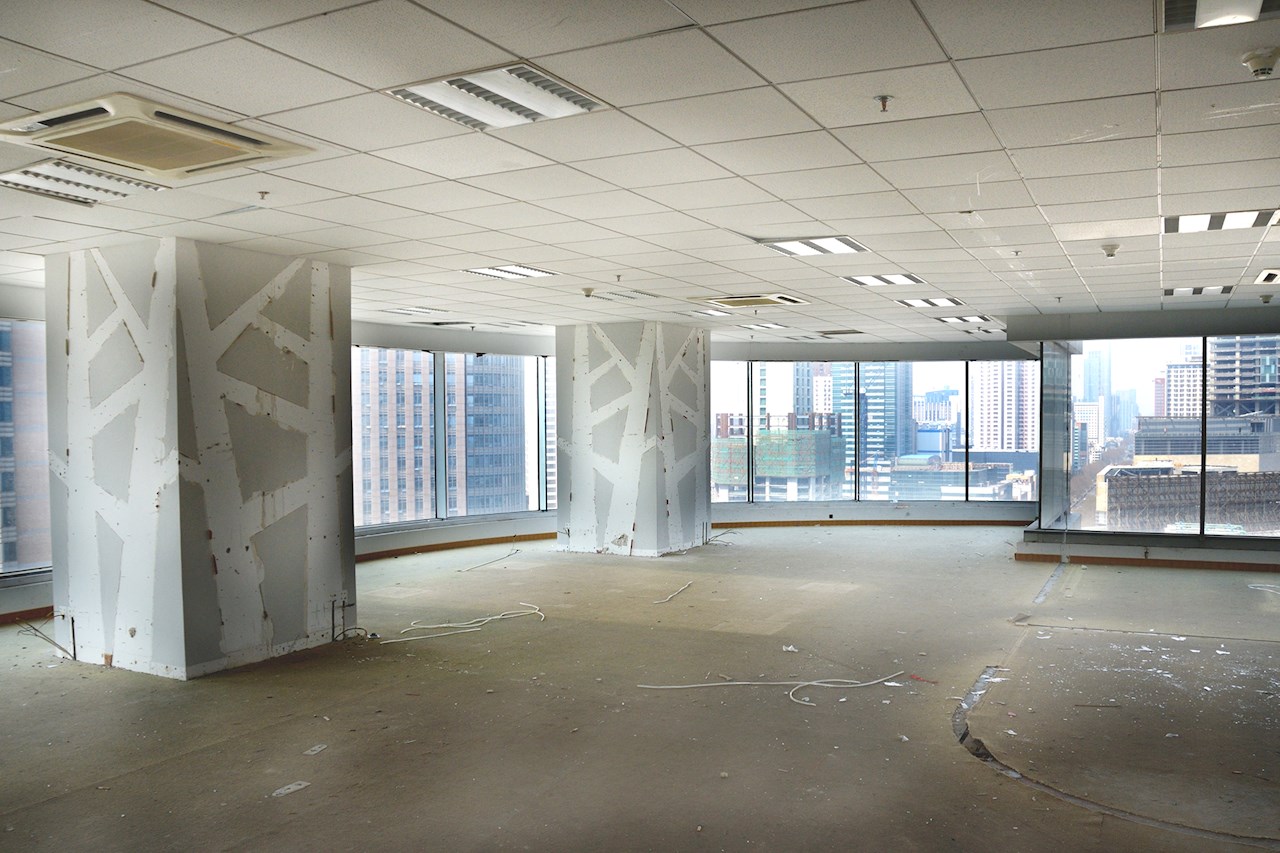
When upgrades require shutting down part of a hospital longer than expected, that has consequences. When office environments are compromised for months during system changes, productivity suffers. When facilities teams spend their time managing complexity instead of improving performance, resilience weakens.
We often talk about resilience in the context of extreme events. But resilience is also everyday continuity – whether a factory can stay operational during upgrades, whether a hotel can modernize without disrupting guests, whether a workplace can evolve without losing momentum.
The expectation is clear: buildings must improve without interrupting and that requires a different mindset.
Designing for change
Future-ready buildings are not the ones that attempt to predict every possible scenario. They are the ones designed to change.
That starts with scalable automation – systems that can expand and integrate over time rather than locking owners into one configuration. It requires modular thinking – upgrading components without dismantling the entire infrastructure. Interoperability is essential, ensuring data flows across systems instead of sitting in silos. And it demands a lifecycle perspective – thinking beyond commissioning to five, ten and twenty years of operation.
The true test of a building is not how advanced or impressive it looks on day one. It is how calmly it handles change over time.
Maturity brings responsibility
Buildings are no longer passive structures at the edge of the energy system. Increasingly, they are active participants, generating power, responding to demand, interacting with the grid.
That is a sign of maturity, but with maturity comes responsibility. If buildings now influence energy resilience, carbon performance and urban efficiency at scale, they must also be capable of evolving without disruption. Cities are built building by building. When buildings struggle to adapt, progress slows no matter how ambitious the strategy.
The most future-ready buildings will not necessarily be the newest. They will be the ones designed to improve continuously. And that may be the most important shift of all.
About the author
Mike Mustapha

Mike is the Division President of ABB Smart Buildings and was appointed in February 2022. In this position he has full accountability for the performance of the global Smart Buildings business in ABB, which includes a broad portfolio of market leading home and building automation solutions as well as the portfolio for energy distribution systems and products. After starting his career in the U.S. in 1990 as an Application Engineer with Rotoflow Corp. Inc., a leading supplier of high-speed rotary and cryogenic machinery for process industries, Mike built global leadership experience with Altas CopCo, a multinational industrial company, where he held various leadership positions. In January 2009, Mike founded the new Pre-Engineered Buildings and Hot Rolled Structured Steel Group, headquartered in Jeddah, KSA with its own independent Board. Mike assumed overall accountability for the company, overseeing the Middle East. Mike joined ABB in August 2011 as Low Voltage Division Regional Manager for India, Middle East & Africa. In June 2014, he was promoted to Global Managing Director for the Building Products Business Unit prior to his 2018 appointment as Head of Global Markets for the Electrification business. Mike currently resides in Dubai and holds a Master’s degree in Mechanical Engineering from the University of Southern California (USC), U.S.
Sources
[1] Buildings - Energy System - IEA
[2] Global Status Report for Buildings and Construction | UNEP - UN Environment Programme
[3] Global Status Report for Buildings and Construction 2024/2025 | UNEP - UN Environment Programme


