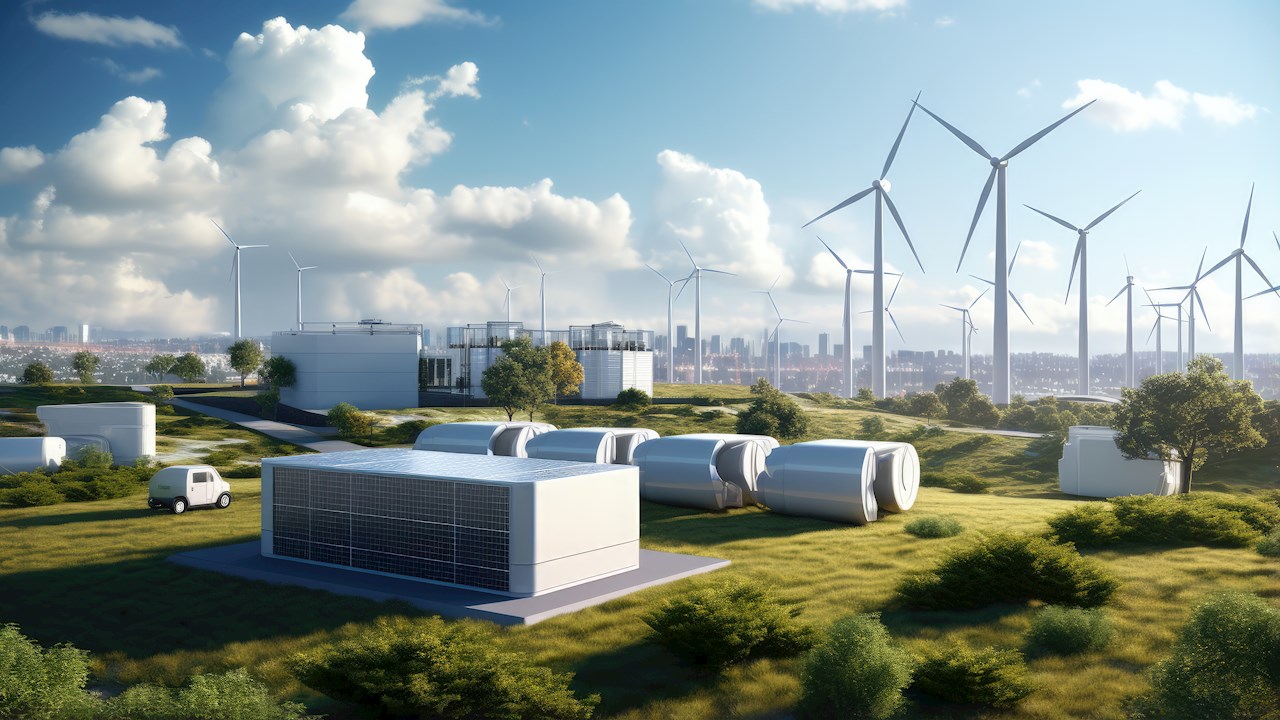
With climate concerns becoming increasingly urgent, reducing emissions in industrial operations has become a business imperative. The industrial sector accounts for nearly 30% of global CO₂ emissions, making it an essential component in the push toward decarbonization. This situation presents a challenge and opportunity for plant managers and engineers: how to drive operational efficiency while cutting carbon and staying competitive in a rapidly evolving industry. Companies with strong sustainability programs tend to achieve higher profitability than competitors.
Electrification, automation and data-driven optimization are empowering industries to redesign their operations and enhance efficiency. From energy monitoring to predictive maintenance, these technologies are becoming foundational for success in a low-carbon economy - enabling companies to improve performance while reducing emissions.
Sustainability isn't just good optics; it delivers measurable returns. Energy-efficient equipment reduces operating costs, predictive maintenance cuts downtime, and smart automation can extend asset life. Over time, these improvements contribute to lower total cost of ownership (TCO) and increase throughput. As energy prices fluctuate and carbon regulations tighten, plants that proactively modernize their operations will maintain compliance and strengthen their bottom line.
Organizations like ABB are helping accelerate this transition by delivering scalable solutions – from high-efficiency electric motors and digital automation platforms to advanced energy management systems that reduce emissions while improving output.

ABB goes beyond carbon-neutral operations in its facilities - such as its Fort Smith, Arkansas, U.S. manufacturing plant - and aims to eliminate and recycle the waste generated from manufacturing, service and logistics operations 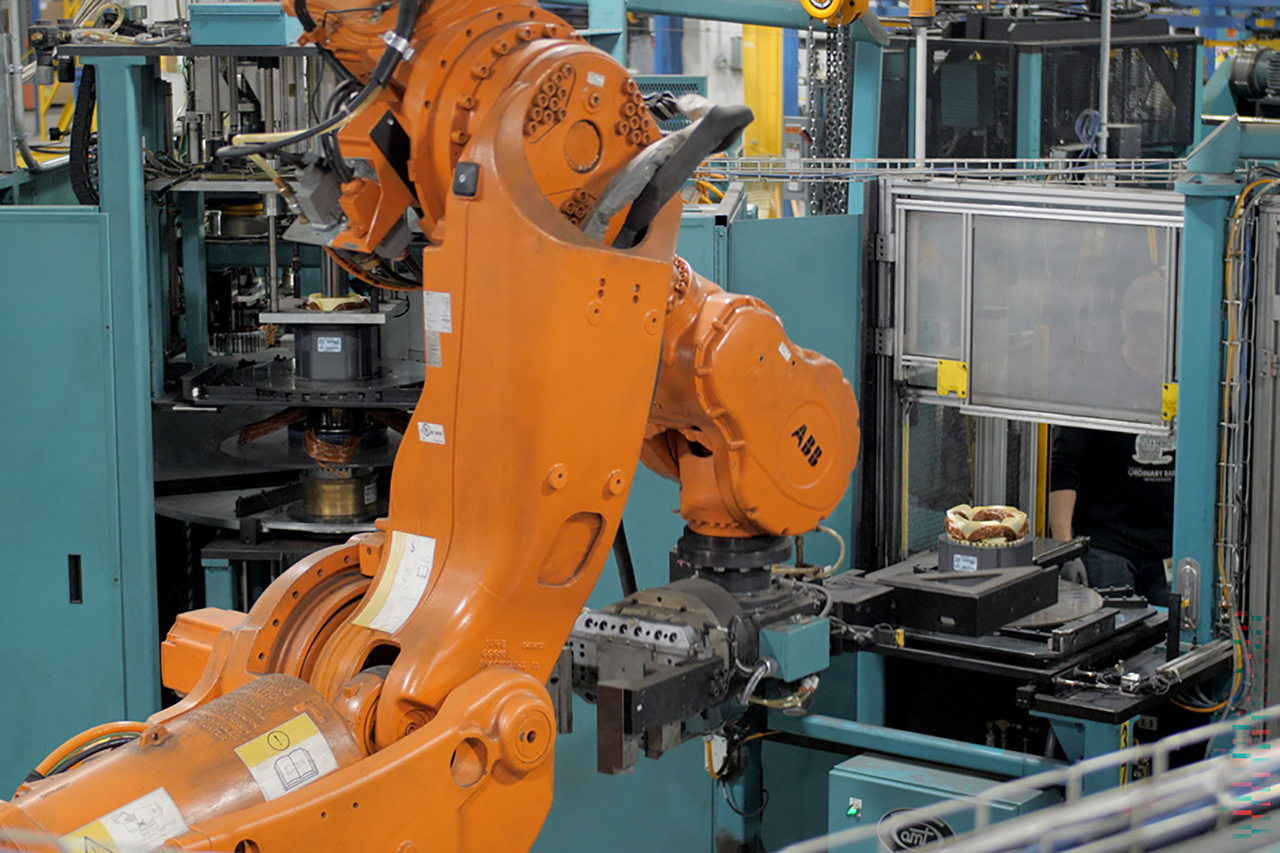
ABB has future proofed its manufacturing facilities to allow for increases in production capacity without the need for physical facility expansion 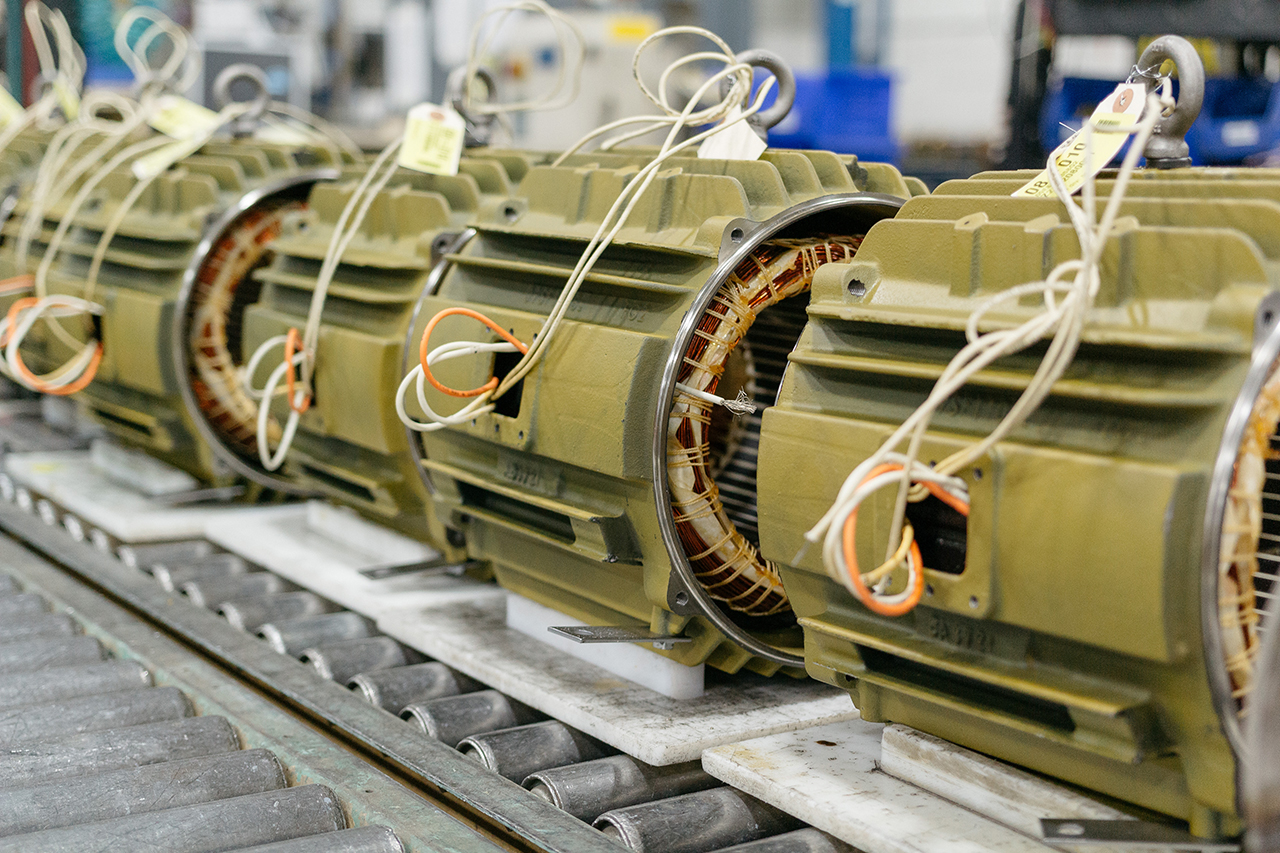
New high-efficiency motors reduce emissions by consuming less energy to produce the same output as standard motors, meaning facilities use less electricity and produce lower carbon dioxide emissions 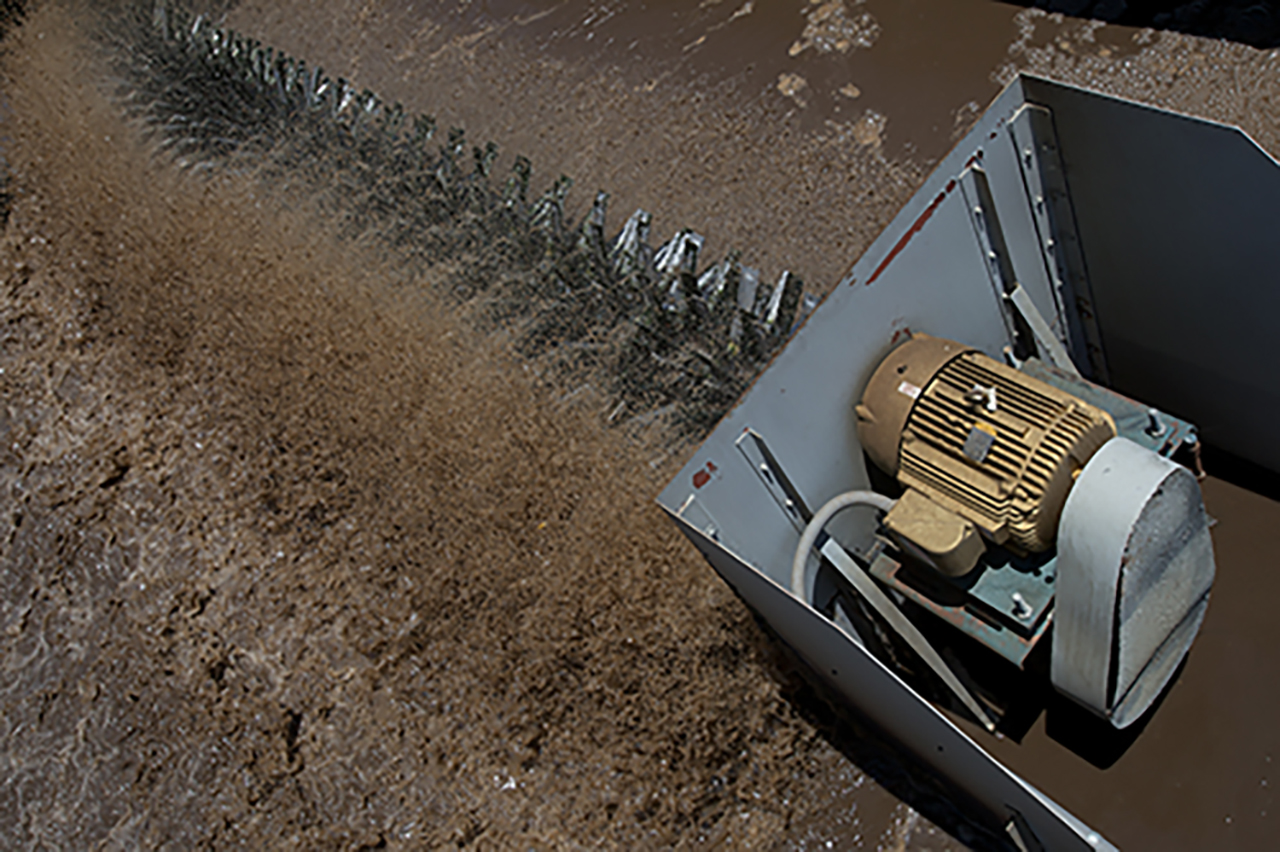
Industries such as water treatment are lowering emissions through various methods, including capturing methane produced during wastewater treatment and utilizing it for energy, reducing the amount of energy used for treatment and implementing more efficient technologies
Accelerating the energy transition
Industrial transformation today is more than compliance – it’s about building smarter, more resilient systems that outperform in both sustainability and productivity. Electrification and automation are reshaping production environments, logistics networks and plant operations by cutting waste, reducing downtime and optimizing energy use.
At the core of this transition is a move away from fossil fuels. High-efficiency electric motors, such as the ABB Baldor-Reliance SP4 and ABB Baldor-Reliance Food Safe SP5+ series, are engineered to reduce energy consumption across demanding applications. Smart automation platforms and industrial software enable real-time monitoring, control and predictive maintenance – improving uptime and optimizing plant operations.
ABB’s Sustainability Agenda aligns with international frameworks and is embedded across the company’s advanced technology portfolio, designed to support a net-zero future and drive long-term business performance. Advancements in automation and electrification are central to this vision, enabling smarter, more sustainable operations. But to fully realize these benefits, maintenance teams must adopt digital tools, monitor data from connected equipment and perform condition-based interventions. Upskilling in areas such as IoT, energy management and sustainability best practices is therefore critical. Forward-thinking organizations are investing in training programs that empower technicians and engineers to actively contribute to the energy transition - turning sustainability goals into on-the-ground action.
Tackling emissions through innovation
For plant teams, reducing emissions - whether direct, indirect or value chain related - is a complex challenge that demands advanced integrated solutions. In practice, this means implementing technologies to minimize fossil fuel dependence, increase operational efficiency and support circular business models. To achieve substantial progress, businesses must transition from fossil-fuel-based processes to electrical and technological alternatives. To maximize impact, companies should focus on four key areas:
- Energy efficiency: Technologies such as high-efficiency motors operated on variable speed drives, energy management systems and smart grids help industries reduce their energy consumption and carbon footprint. Electrification of industrial processes further supports the reduction of reliance on fossil fuels.
- Carbon intensity reduction: By shifting to electric alternatives, industries can reduce their carbon intensity, particularly in sectors like manufacturing, transport and building operations.
- Waste and environmental footprint reduction: Innovative practices like lean manufacturing and circular design reduce waste and increase resource efficiency. Additionally, reducing emissions associated with production processes helps mitigate environmental impact.
- Enhanced circularity and flexibility: Adopting a circular economy approach, industries can design products for durability, reuse and recyclability, reducing waste and minimizing the environmental impact of end-of-life disposal. This approach also reduces resource dependence, enhancing supply chain resilience.
In 2024 alone, ABB’s technologies enabled customers to avoid 66 megatons of CO2 emissions, part of a broader cumulative impact of 204 megatons since 2022, measured across the full product lifestyle.
Addressing Scope 1, 2 and 3 emissions
Effective emissions reduction requires a focus on all three scopes defined by the Greenhouse Gas Protocol: Scope 1 (direct emissions), Scope 2 (indirect emissions from purchased energy) and Scope 3 (emissions across the value chain).
- Scope 1 – direct emissions: These emissions from owned or controlled sources by the company, such as fuel combustion in vehicles, boilers or other industrial processes. Companies can reduce Scope 1 emissions by adopting electric alternatives and optimizing operations.
- Scope 2 – indirect emissions from purchased energy: Scope 2 emissions come from the generation of purchased electricity. Reducing these emissions requires integrating renewable energy sources, improving energy efficiency and adopting energy management systems.
- Scope 3 – emissions from the entire value chain: Scope 3 emissions are often the most challenging, as they involve emissions across the entire supply chain. Reducing these emissions involves collaborating with suppliers to adopt sustainable practices, designing products for durability and recyclability and educating customers on the efficient use and maintenance of products.
Real-world barriers to emission reductions
While momentum toward emissions reductions continue to build, the path to achieving sustainability goals remains challenging. Some of the top obstacles include:
- Reliance on fossil fuels: Still accounting for 74% of global emissions, and transitioning away from them requires significant investments in renewable energy infrastructure.
- High upfront costs: Implementing energy-efficient solutions often involves high upfront capital costs, which can be a significant barrier for many small and medium-sized enterprises.
- Infrastructure limitations: Many existing systems are not designed to support modern technologies, creating a need for infrastructure upgrades.
- Budget constraints and data gaps: Access to accurate data is crucial for managing emissions. Many companies lack the necessary tools to track and optimize energy use, making it harder to make informed decisions.
- Policy and behavioral hurdles: While policy changes are critical, there is also a need for widespread behavioral change across industries to embrace sustainable practices and innovations.
Overcoming these barriers requires a concerted effort from all sectors of the economy. Collaboration with suppliers, policymakers and technology providers is critical to creating an ecosystem that supports emissions reductions. By working closely with suppliers, companies can influence the sustainability and circularity of the materials they source and improve the energy efficiency of their entire supply chain. Similarly, policy changes that support clean energy infrastructure and provide financial incentives for green technologies will accelerate the transition. Companies that engage with both suppliers and policymakers to drive systemic change can create a more sustainable and cost-efficient future.
Leading by example: ABB’s Mission to Zero
ABB is actively decarbonizing its own operations, proving that industrial sustainability is both achievable and scalable. Through initiatives such as internal carbon reduction programs, renewable energy integration and zero-waste-to-landfill strategies, ABB is a prime example of how operational excellence can align with environmental responsibility.
ABB’s climate goals have been validated by the Science Based Targets initiative (SBTi), reinforcing a long-term commitment to transparent, measurable progress. These targets include an 80% reduction in Scope 1 and 2 emissions by 2030 (compared to a 2019 baseline), with a goal to reach net zero by 2050. For Scope 3 emissions - those across the entire value chain - the targets call for a 25% reduction by 2030 (vs. a 2022 baseline) and a 90% reduction by 2050.
These efforts are supported by decarbonization initiatives at 21 manufacturing sites, the integration of digital solutions with renewable energy, a commitment to achieving zero waste to landfill by 2030 and a circularity-first approach spanning product design, use and recovery. By embedding these goals across operations, ABB is not only reducing its own footprint; the company is setting an industry standard for sustainability.
Building a circular, low-carbon world
A sustainable future depends largely on the transition to a circular economy – one that designs products and systems for durability, reuse and recyclability. By extending the lifespan of products and materials, industries can reduce waste, lower resource consumption and minimize emissions across the supply chain. This shift not only supports compliance with tightening environmental regulations, but unlocks substantial cost-saving opportunities through improved resource efficiency and waste reduction. Adopting circular practices strengthens supply chain resilience, reduces environmental impact and positions organizations for long-term competitiveness. Industry leaders like ABB are aligning with evolving regulatory and reporting standards - such as the EU Taxonomy Delegated Act, Global Reporting Initiative (GRI) and Sustainability Accounting Standards Board (SASB) - to set and exceed expectations.
A shared responsibility: working together toward net-zero
The journey to net-zero is a shared responsibility that requires action across all sectors – governments, policy makers, industry leaders and communities must collaborate to create the necessary conditions for a low-carbon economy. This includes creating supportive policies, investing in clean technologies and sharing best practices.
The path to net-zero is clear: every step taken – whether by adopting energy-efficient technologies, shifting to electric systems or improving supply chain sustainability – moves industries closer to a more sustainable future. By embracing innovation and collaboration, industries can achieve sustainability goals and play a leading role in the global movement toward a low-carbon world.
Every efficient motor, every electrified process, every avoided emission moves us one step closer. Let’s keep pushing forward - because when industries lead, the planet thrives.


