Rising energy demand, mounting climate pressures, geopolitical volatility and energy security concerns are converging to create an urgent need for smarter energy use.
Amidst this evolving landscape, energy efficiency stands out as the fastest, most accessible lever for industries to cut emissions, improve energy security, and strengthen resilience using technologies already available today.
In Malaysia, this urgency is driving a critical shift: The question is no longer whether to decarbonize, but which solutions deliver reliability, emissions reduction and competitive advantage.
ABB Electrification Solutions
ABB already offers a wide portfolio of ready‑to‑deploy technologies to support this transition. In power distribution, energy‑efficient switchgear and advanced circuit breakers such as Emax 3 enable safer and more reliable operations. Micro grid solutions improve power quality and stability while in the built environment, smart building systems such as ABB i‑bus® KNX and ABB Ability™ BuildingPro enable intelligent automation of lighting, HVAC, and energy use for optimal efficiency.
"Energy costs and electricity demand are rising, and reliability remains a concern for many industries. Our electrification portfolio addresses these challenges simultaneously. The same Emax 3 circuit breaker that reduces energy losses also improves system reliability. The same building automation system that optimizes HVAC costs also drives operational efficiency and enhances occupant comfort. For Malaysian manufacturers, this dual benefit—efficiency and reliability—is increasingly non-negotiable," said Clemens Stahl, Vice President, Smart Building and Smart Power, ABB Malaysia Sdn Bhd.
For industries, electric motors represent the most immediate and impactful opportunity for energy savings. Globally, motor systems account for around 45% - 50% of total electricity consumption, rising to 65%-70% in industrial sectors. Malaysia mirrors this pattern, with heavy industry relying on motor‑driven pumps, fans, compressors, and conveyors. Improving motor efficiency offers a powerful way to reduce operating costs and mitigate risk of energy security.
Leading with IE6 Technology
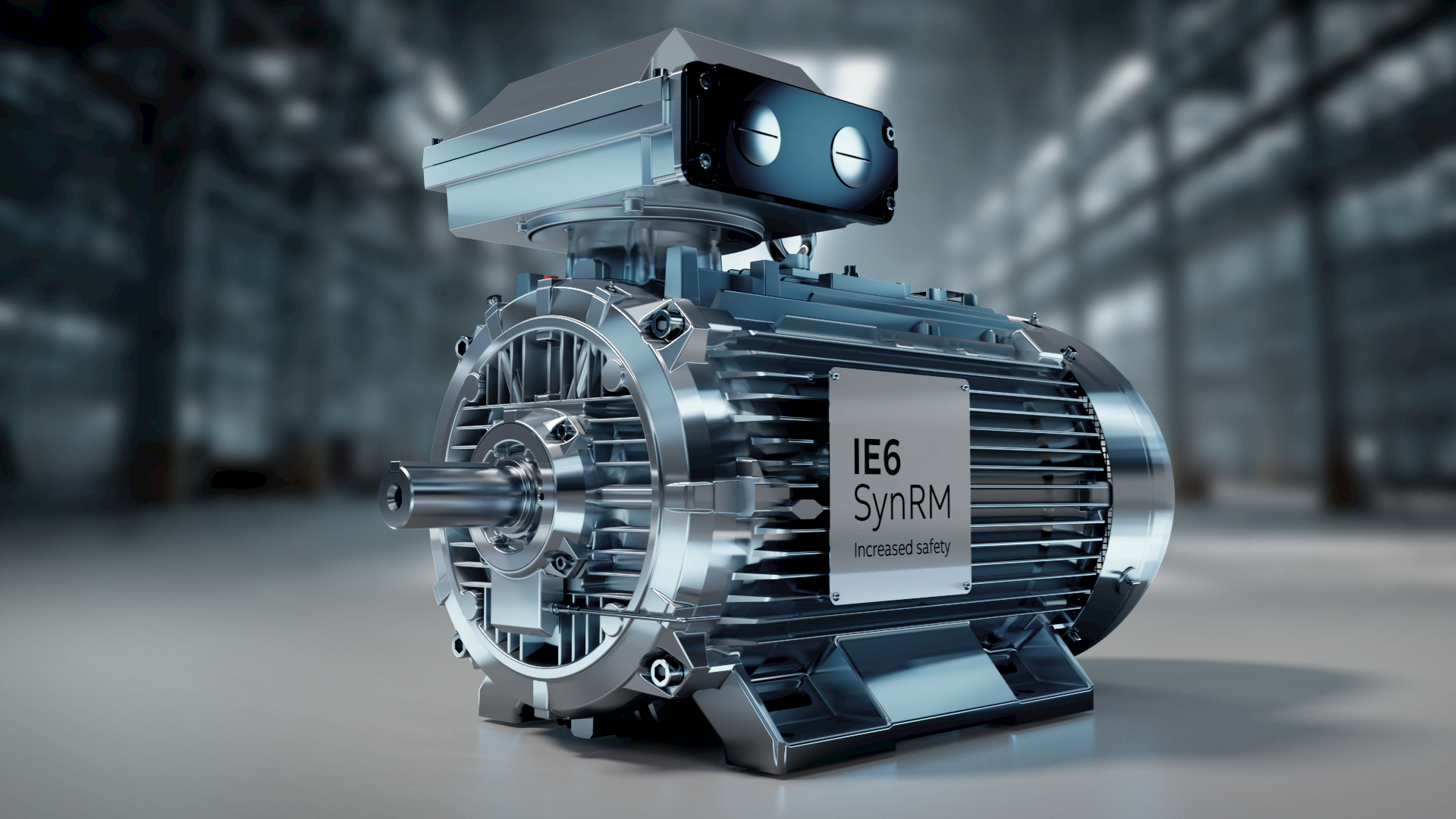
At the top of the efficiency spectrum, ABB's IE6 Synchronous Reluctance (SynRM) motor sets a new benchmark for industrial sustainability and performance. Designed without magnets or rare earth materials, this technology eliminates supply chain vulnerabilities tied to rare earth sourcing while delivering industry-leading IE6 hyper-efficiency.
The IE6 SynRM motor achieves maximum efficiency when paired with variable speed drives (VSDs), offering precise control and high efficiency throughout the entire speed range, even at partial loads. This makes it an ideal upgrade from standard IE3 induction motors in pumps, fans, and compressors.
World-First Innovation for Hazardous Areas
Demonstrating its technology leadership, ABB is the world's first manufacturer to offer an IE6 Hyper-Efficiency motor certified to ATEX and IECEx requirements for use in hazardous areas. Based on ABB's magnet- and rare-earth-free SynRM technology, this motor reduces energy losses by up to 60% compared to IE3 induction motors commonly used in Zones 1 and 2.
This enables operators to achieve major gains in energy efficiency and carbon emission reductions in industries where gas, vapor, or dust may be present—such as chemicals, oil & gas, marine, pharmaceuticals, and food & beverage.
"With energy costs rising and sustainability expectations tightening, Malaysian industries need solutions that work on both fronts. Our world-first IE6 motor for hazardous areas does exactly that—cutting operating costs while helping customers meet their net-zero commitments," said R Narayanan, Group Vice President, Motion Business, ABB Malaysia Sdn Bhd.
ABB's IE6 and IE5 SynRM technology forms part of the industry's broadest portfolio of IEC low-voltage motors for hazardous areas. These motors combine robust construction, high energy efficiency, and reliable operation to deliver trusted performance and certified safety in the most demanding industrial environments.
A More Effective Way to Compete
Energy efficiency is fast becoming the new currency of industrial competitiveness. In a world where carbon carries a price and transparency is expected, the real risk is not investing too early. It is moving too late.
Companies that build capability now will shape the industrial landscape of the next decade, while those that hesitate may find themselves at a serious disadvantage to competitors who have embedded energy efficient practices at the core of their operations.


