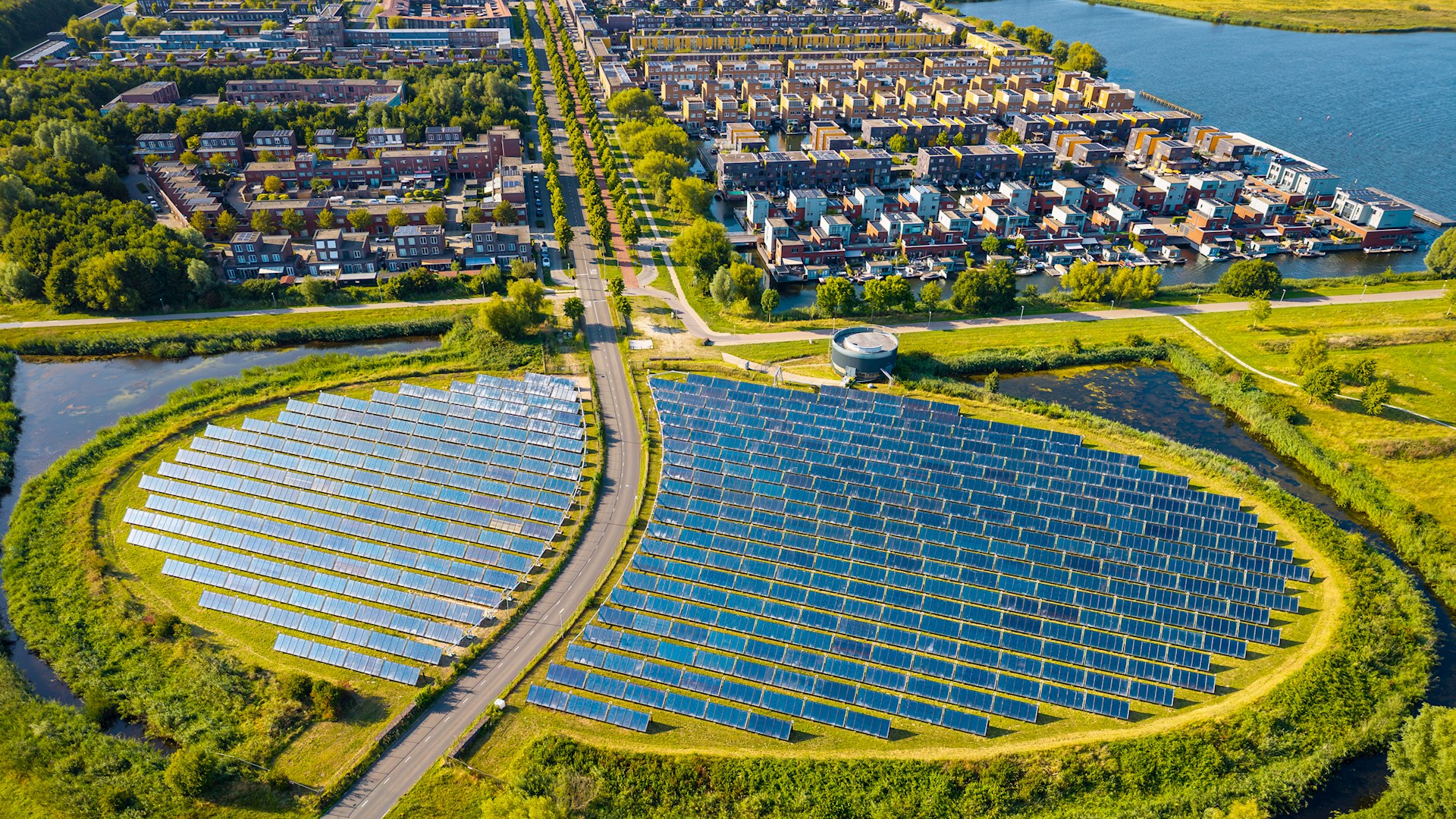
The most undervalued flexibility technology in the energy transition
At the Euroheat & Power Congress 2026 in Krakow, Torben Poulsen, Global Business Development Manager for Pumps at ABB, joined the panel discussion "District cooling on a warming planet."
Having spent many years working at the intersection of district heating, industrial energy systems and infrastructure projects, he sees the same pattern: everyone talks about renewable generation. Far fewer talk about flexibility.
Yet flexibility is becoming one of the most valuable assets in the European energy system. What became particularly clear during the discussion in Krakow is the growing conjunction of three sectors that have traditionally been viewed separately: electricity markets, district heating, data centers, and other waste heat sources.
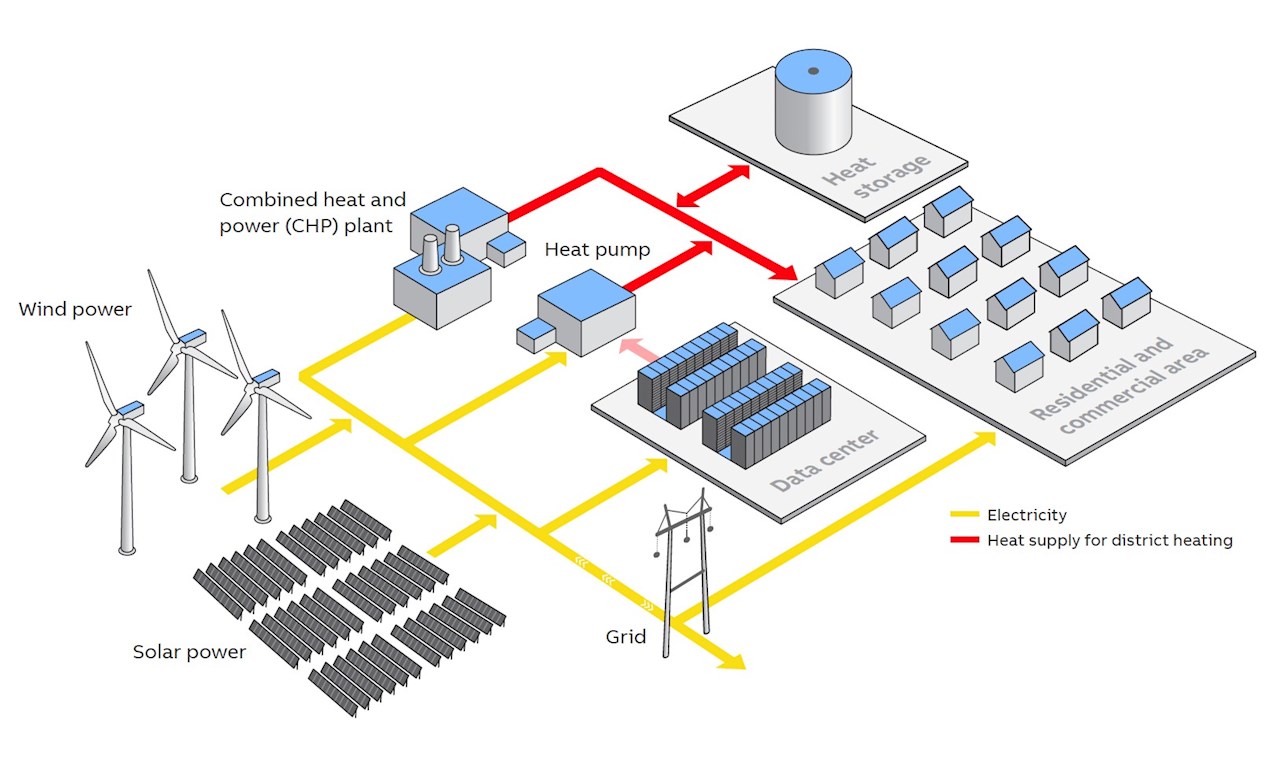
As AI adoption accelerates across Europe, data centers are becoming one of the largest sources of new electricity demand. At the same time, they create an opportunity that is still significantly underutilized: waste heat recovery, large-scale thermal energy storage, power-to-heat flexibility, and low-carbon heat for cities and industry.
The combination of power-to-heat, thermal energy storage, district heating and data center waste heat can simultaneously improve grid stability, renewable energy integration, energy security and economic competitiveness. From Torben's perspective, thermal energy storage remains one of the most scalable, cost-effective and deployment-ready flexibility solutions available today. It is not a future technology. It is available now.
Q1: We have just witnessed the three hottest years on record. What does that mean for cities investing in district energy today?
We are no longer planning for a future climate scenario, we are living in it. Cities are now dealing with a dual challenge: peak heating demand in winter and rapidly rising cooling demand in summer. District energy networks – the pipes, pumps, heat exchangers, and storage assets that run beneath our streets – are uniquely positioned to address both. But only if they are designed and operated with the right technology from the start.
The building blocks are already available. Large-scale heat pumps, electric boilers, thermal energy storage – these are proven, mature technologies. The question is how we integrate them intelligently into a single, flexible system.

Q2: Heat pumps are often cited as the backbone of future district heating and cooling. What is needed to make them work at city scale?
Large-scale heat pumps are transformational. A single unit can deliver tens of megawatts of thermal energy from ambient heat sources – seawater, lake water, sewage heat recovery, industrial waste heat. That is enormous leverage on electricity input.
But they come with an operational constraint that is often underestimated: they cannot always run when the grid needs them to stop. During peak demand hours – typically cold winter mornings or hot summer afternoons – grid operators may restrict the operation of large electrical loads, including heat pumps, to prevent overloading. If your district energy system depends entirely on heat pump output, you are exposed.
Q3: You mentioned operational restrictions on heat pumps during peak hours. What can help solve this problem?
Thermal energy storage – large insulated tanks holding hot or chilled water – is the answer to the temporal mismatch between when you can produce heat and when customers need it.
Think of it like a battery, but for heat. During off-peak hours, when electricity prices are low and the grid has surplus renewable energy, you run your heat pumps and electric boilers at full capacity to charge the tank. Then, during peak hours when heat pump operation is constrained or electricity is expensive, you discharge from the tank to meet demand. The customer never feels the difference.
We are seeing storage tanks in Scandinavia and Central Europe reaching volumes of 50,000 to 300,000 cubic metres – that is enough thermal buffer to supply an entire city district for several hours without generating a single kilowatt from the plant.
Q4: Where do electric boilers fit in and what about data centers as a new heat source?
Electric boilers have staged a remarkable comeback. A few years ago, they were seen as a niche technology. Today they are being installed at multi-megawatt scale across Northern Europe, and the pipeline is growing fast.
The reason is simple economics combined with grid logic. When wind and solar generation outpaces demand, electricity prices can fall to near zero or even go negative. An electric boiler can absorb that excess electricity instantly – literally within seconds – and convert it to heat stored in the district network or in a thermal storage tank. It is one of the most efficient forms of demand-side flexibility available to a grid operator.
And then there is the data center angle, which came up strongly at the Krakow panel. As AI adoption accelerates, data centers are becoming one of the largest new electricity loads in Europe. But they are also significant heat sources. Recovering that waste heat and feeding it into a district heating network or using it to generate cooling via absorption chillers – buffered through thermal storage – is a great opportunity that remains underutilized. It connects the power sector, the digital sector, and urban heating or cooling infrastructure in one nice loop.
I see electric boilers, heat pumps, waste heat recovery and thermal storage as a complementary quartet. Each has a role. Together, they can build a system that is both highly efficient and highly flexible.
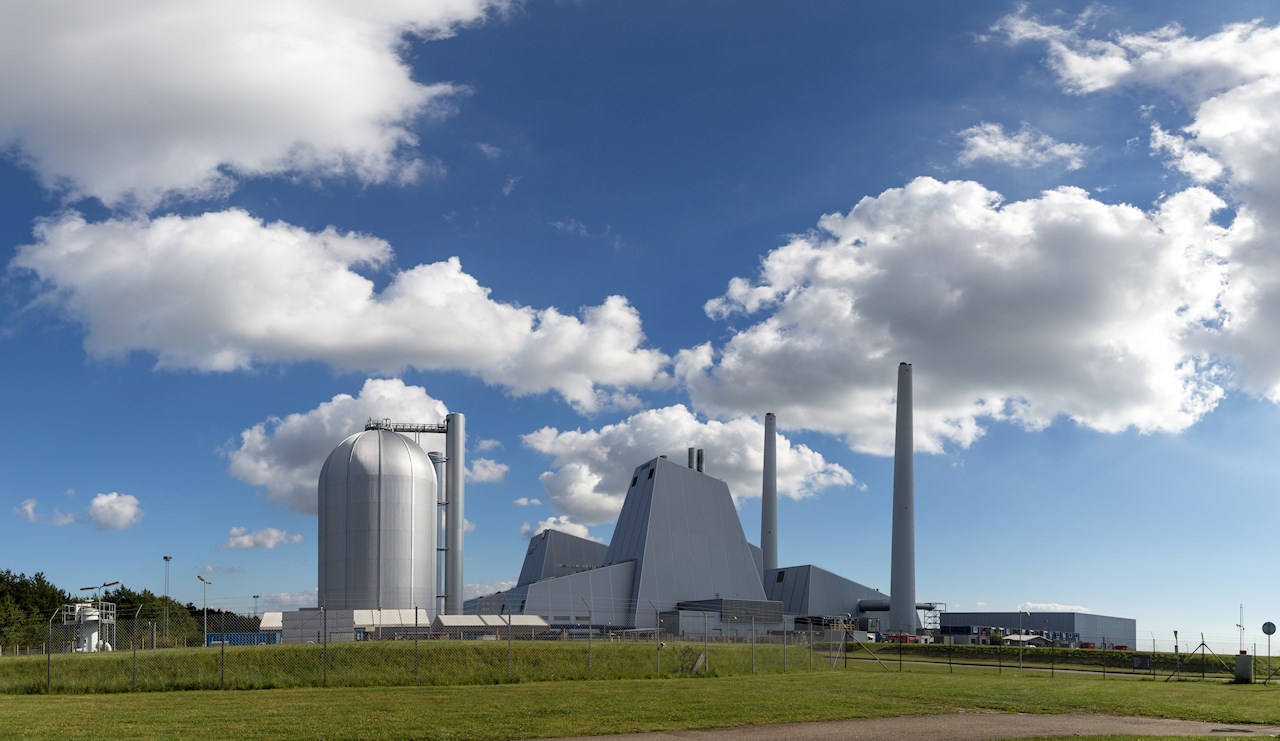
Q5: How does district energy contribute to grid stability – and what does ABB bring to that equation?
This is the conversation that needs to happen more often between district energy operators and transmission system operators. District energy networks are giant flexible loads. If they are equipped with the right controls, they can provide frequency regulation, congestion relief, and demand response services.
The future of Europe's energy system will not be built in silos, but through intelligent sector integration and flexibility. That was the clear message from Krakow, and I believe it completely.
At the core of this flexibility are variable speed drives controlling pump motors throughout the network. When the grid frequency drops, drives can be instructed to reduce pump speed within milliseconds, shedding load instantly. When surplus renewables push frequency up, pumps can be ramped to charge storage faster.
Beyond drives, ABB brings power quality solutions, medium-voltage switchgear, substation automation, and integrated energy management systems that connect the district energy plant all the way to the transmission grid. We call this end-to-end electrification – and it is how you build a truly resilient urban energy system.
Q6: What would your advice be to a city or utility planning to upgrade or build a new district energy system right now?
First, design for flexibility from day one. Do not build a system optimised only for today's load profile. Include thermal storage capacity even if you do not need all of it immediately. Future you will be grateful.
Second, do not underestimate pumps and drives. The pump is the workhorse of every district energy network. Choosing the right pump curve, right variable speed drive, and right control strategy will determine whether your system performs at 70% efficiency or 95% efficiency . That gap compounds into millions of euros over a 30-year asset life.
Third, engage your grid operator early. The value of demand flexibility – the ability to shift loads, provide frequency response, participate in balancing markets – is real and growing. District energy operators who build that capability in from the start will have a significant revenue advantage over those who retrofit it later.
And finally: look at waste heat sources. If there is a large data center in or near your city, start a conversation about waste heat recovery. That relationship can strengthen the case for thermal storage investment at the same time.
A final thought
The climate data as well as geopolitical changes with significant fossil fuel price fluctiations has made the case for us. Cities cannot afford to wait for the perfect solution – they need scalable, proven technology deployed at speed. Heat pumps, electric boilers, thermal storage, data center waste heat recovery, and smart pump systems are not tomorrow's technology. They exist today.
Thermal energy storage in particular remains one of the most scalable, cost-effective and deployment-ready flexibility solutions available – a decisive bridge connecting the power, heating and digital infrastructure sectors. Our job at ABB is to make sure all these elements work together seamlessly, efficiently, and in service of both the city and the grid. That is what district energy done right looks like.


