
The offshore oil and gas industry operates in one of the world's most demanding environments. Operators must contend with harsh weather, corrosive atmospheres, extreme temperatures and limited space. In such conditions, the reliability of every component is critical. Electric motors represent a key element of offshore operations, powering everything from pumps and compressors to drilling equipment and fans. Selecting the right motor specification can mean the difference between uninterrupted production and costly downtime.
Industry standards drive motor design
The oil and gas industry relies on established standards to ensure motor reliability. The IEEE 841 standard was developed in 1986 specifically for petroleum and chemical applications. This standard defines premium-efficiency totally enclosed fan-cooled and totally enclosed nonventilated motors ranging from 0.75 kilowatts to 370 kilowatts, or 1 horsepower to 500 horsepower. Complementary API standards including API 541, API 547 and API 546 provide additional specifications derived from extensive field experience. These standards form the foundation for virtually all user specifications in the oil and gas segment.
IEEE 841-2021, the most recent update published in May 2021, remains the industry benchmark. It covers motor construction including cast iron frames, stainless steel nameplates, specialized bearings and seals, non-sparking fans, corrosion-resistant paint systems and Class F insulation systems. The standard also mandates operational features such as vibration limits of 0.08 inches per second for motors rated 1200 RPM or faster and 0.06 inches per second for 900 RPM motors, as well as foot flatness within 0.005 inches for precision alignment. Every IEEE 841 motor must include a five-year warranty from the manufacturer.
Meeting offshore environmental demands
While onshore and offshore operations share many common motor requirements, offshore applications demand additional engineering considerations. Saltwater corrosion poses perhaps the greatest challenge. ABB specifies 316 stainless steel hardware throughout motors intended for offshore service. Internal surfaces of rotors, stators and shafts receive an epoxy coating to resist corrosive degradation. External paint systems and coatings must demonstrate extreme durability to withstand the marine environment.
Moisture control represents another critical concern in offshore installations. Space heaters with separate connection boxes help prevent condensation that could compromise insulation integrity. Anti-fungal treatment of insulation systems protects against degradation in humid conditions. Terminal posts on connection boxes provide secure wiring and moisture management.
Offshore platforms experience motion that land-based equipment never encounters. Designs must account for platform list up to 22.5 degrees and trim of 10 degrees. Motors must withstand pitch and roll exceeding 20 degrees with motion periods of 9 to 11 seconds. Lateral acceleration reaches 0.65G while vertical acceleration reaches 1.2G. ABB motors for floating structures are certified to these demanding dynamic load specifications.
Hazardous location certification
Oil and gas installations typically involve flammable gases and vapors. Most offshore platform equipment operates in Class I, Division 2 hazardous locations. Motors for these areas must comply with IEEE 841 standards and include non-sparking fans designed for hazardous environments.
Some offshore drilling operations require equipment rated for Class I, Division 1 hazardous locations. In these cases, motors must be explosion proof and certified for the specific class, group and temperature code of the classified area. Motors operated on variable speed drives in Division 1 areas require additional certification for inverter duty operation. Certifications must address speed range capability and temperature code performance on inverters. American Bureau of Shipping compliance may modify electrical performance requirements and testing protocols. Additional specialty certifications available include CSA, ATEX, IEC-Ex and ABS ratings.
Variable speed drive compatibility
Modern offshore operations increasingly employ variable speed drives to optimize energy efficiency and equipment control. IEEE 841-2021 now includes PWM inverter duty as a usual service condition. Motors must achieve inverter duty capability per NEMA MG1 Part 31.4.4.2 to support variable speed applications. This certification ensures motors can withstand the electrical stresses created by pulse-width modulation switching without insulation degradation.
ABB motor solutions for offshore applications
ABB offers comprehensive motor solutions from the ABB and ABB Baldor-Reliance motor portfolios specifically engineered for offshore oil and gas operations. The ABB Baldor-Reliance Severe Duty IEEE 841XL motor represents the company's flagship offering for harsh offshore environments. These motors exceed IEEE 841-2021 requirements while maintaining energy efficiency. Power ranges extend from 1 horsepower to 500 horsepower in multiple configurations. All IEEE 841XL motors ship with detailed test reports documenting compliance with IEEE 841 standards. The ABB motors product line also offers IEEE 841-compliant motors with the SD100 841 and SD200 841. Facilities operating belt-driven, air-cooled heat exchanger applications in the petroleum and chemical processing industries can choose from the ABB Baldor-Reliance 661XL or the ABB SD661 motors.
ABB also produces specialized ABB Baldor-Reliance top-drive drilling motors engineered specifically for offshore drilling operations. These compact motors deliver high power density suitable for space-constrained drilling rigs. Rugged laminated-steel frames resist shock loads up to 6G. IP44 drip-proof enclosures provide protection against the harsh offshore environment. Stainless steel components and ventilated cooling systems ensure reliable operation at ambient temperatures up to 55 degrees Celsius. Certifications include CSA, ATEX, IEC-Ex and ABS ratings.
Top-drive drilling systems reduce manual labor compared to traditional rotary table and Kelly-drive operations, improving worker safety. Simplified maintenance due to system robustness leads to increased drilling efficiency and faster drilling cycles, resulting in significant cost savings.
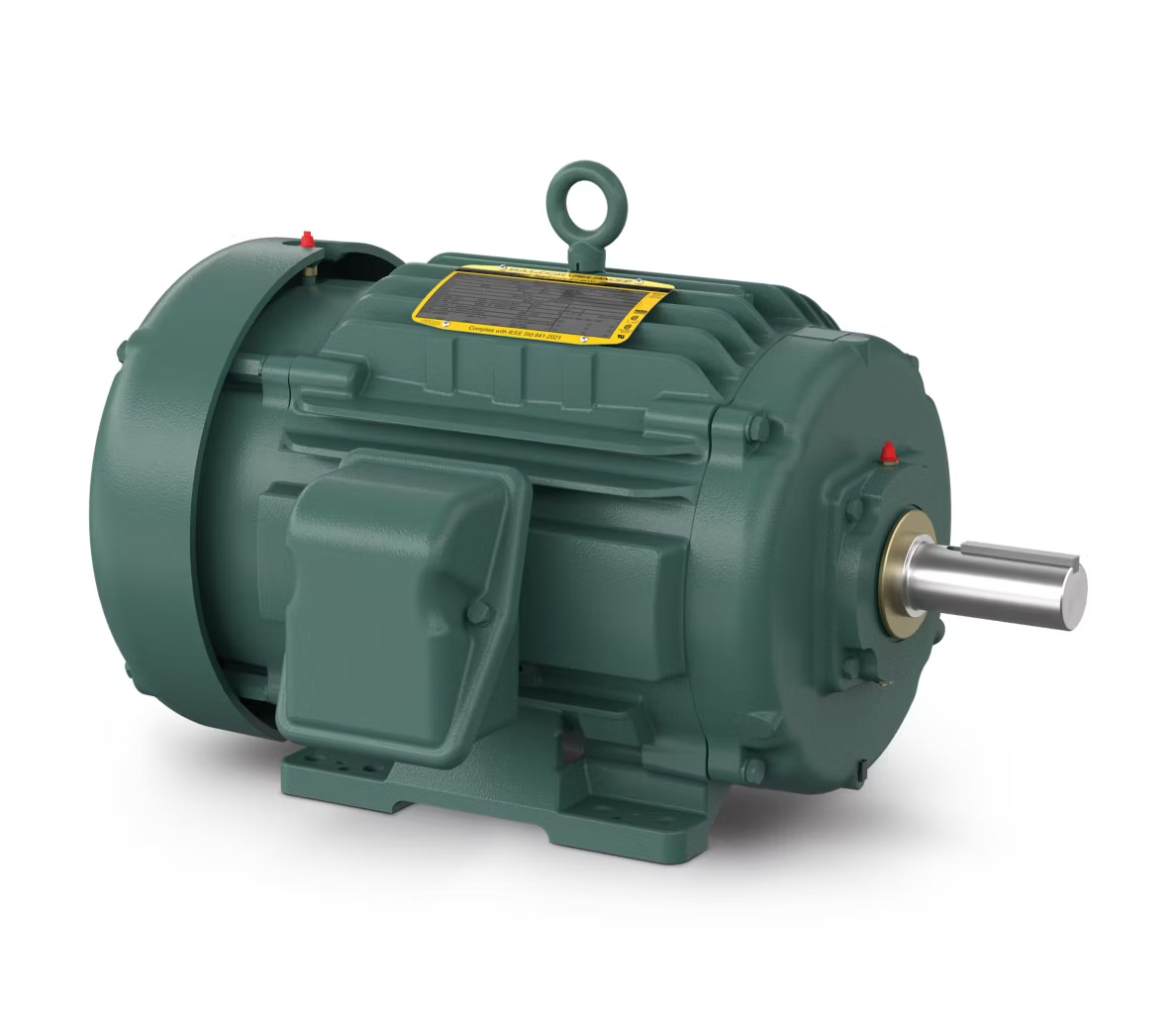
ABB Baldor-Reliance Severe Duty IEEE 841XL 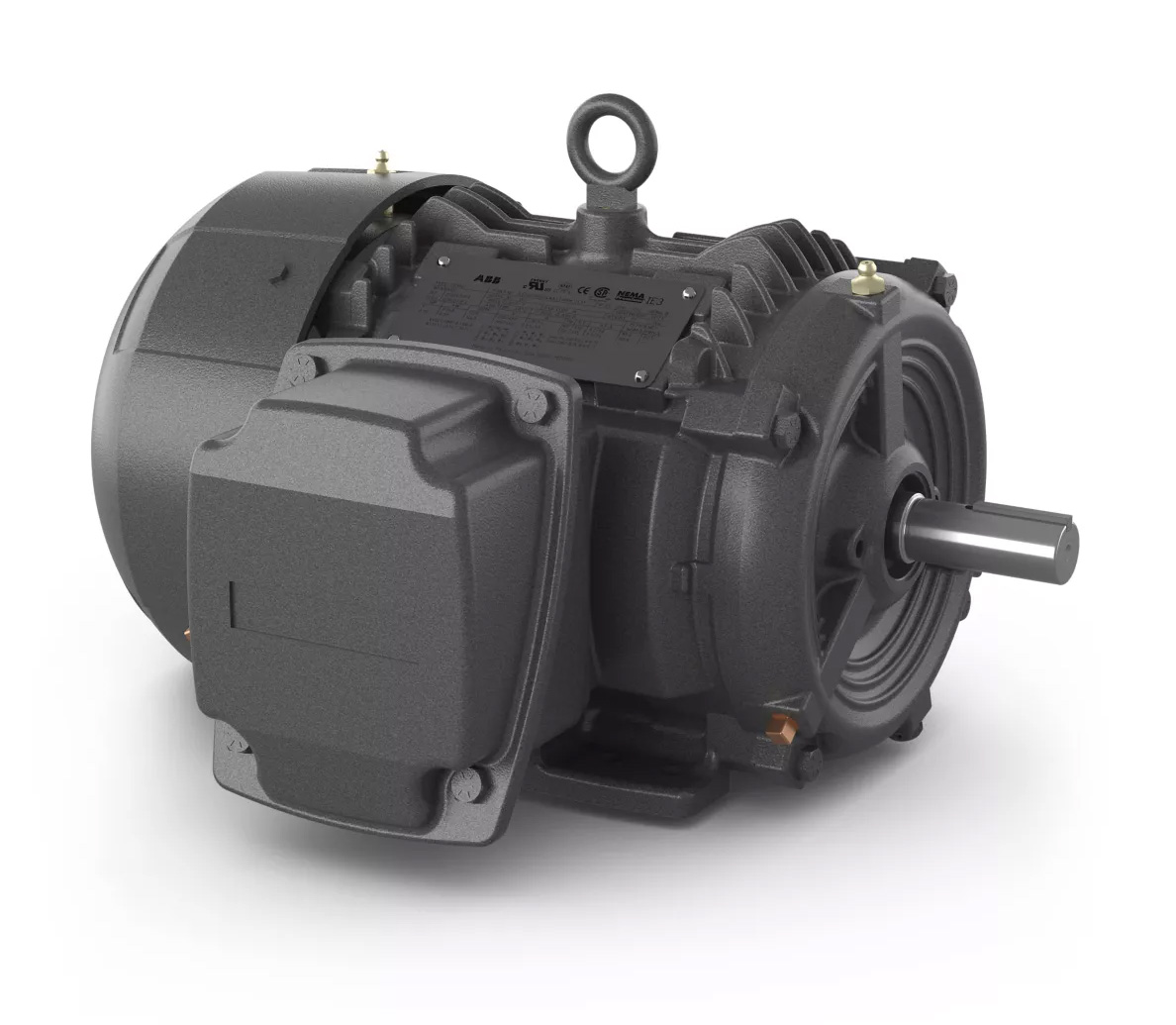
ABB SD100 841 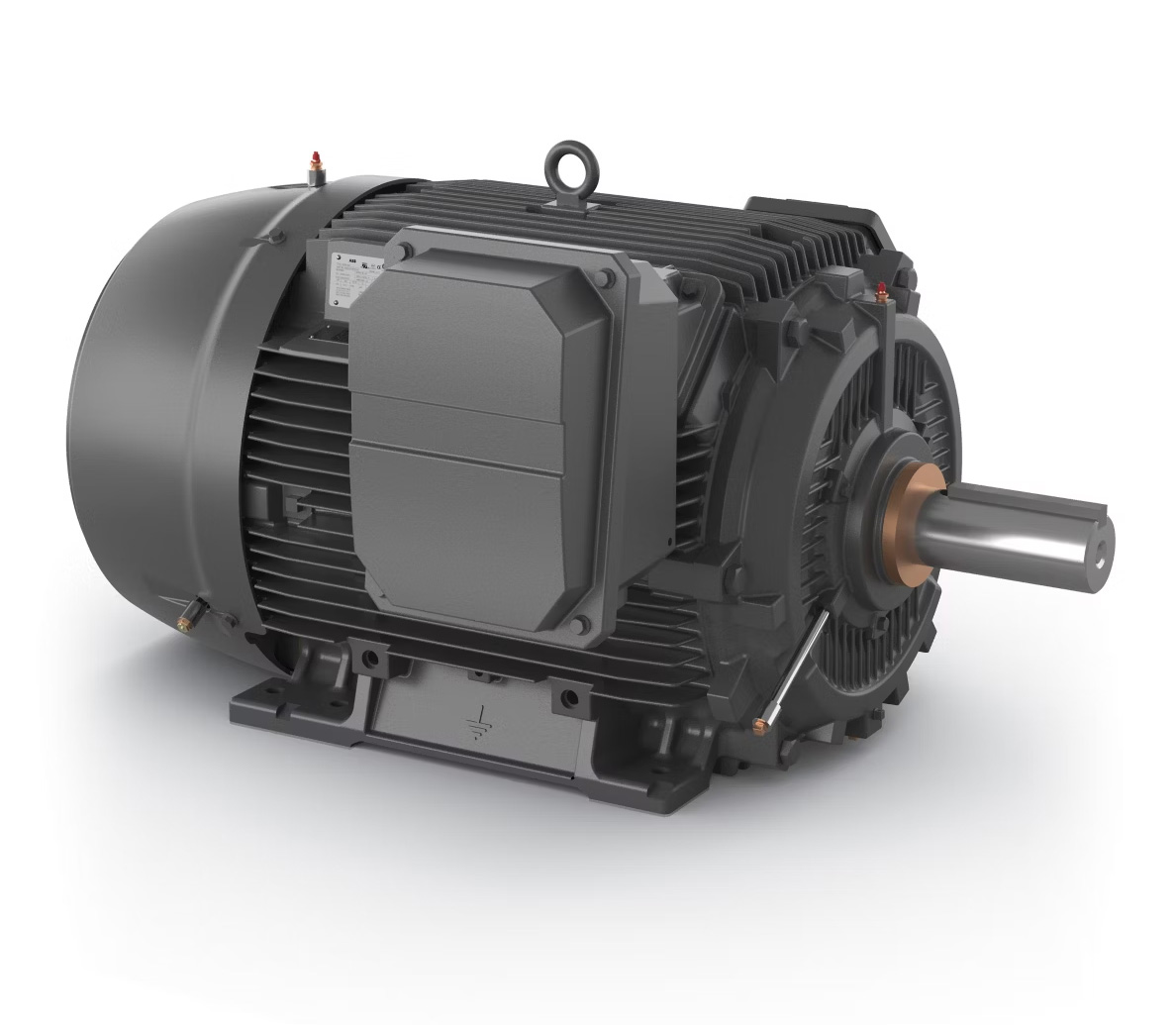
ABB SD200 841 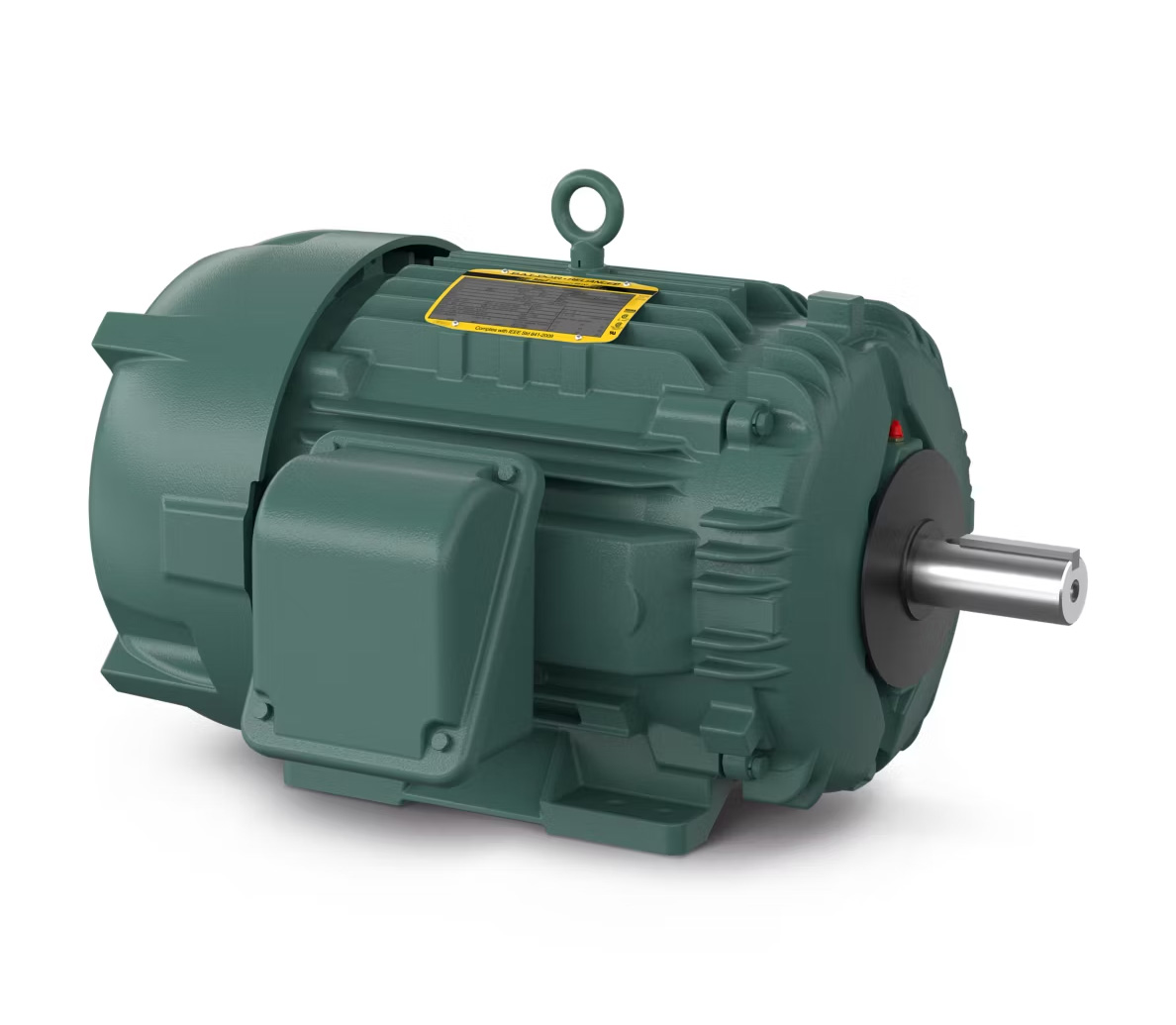
ABB Baldor-Reliance 661XL 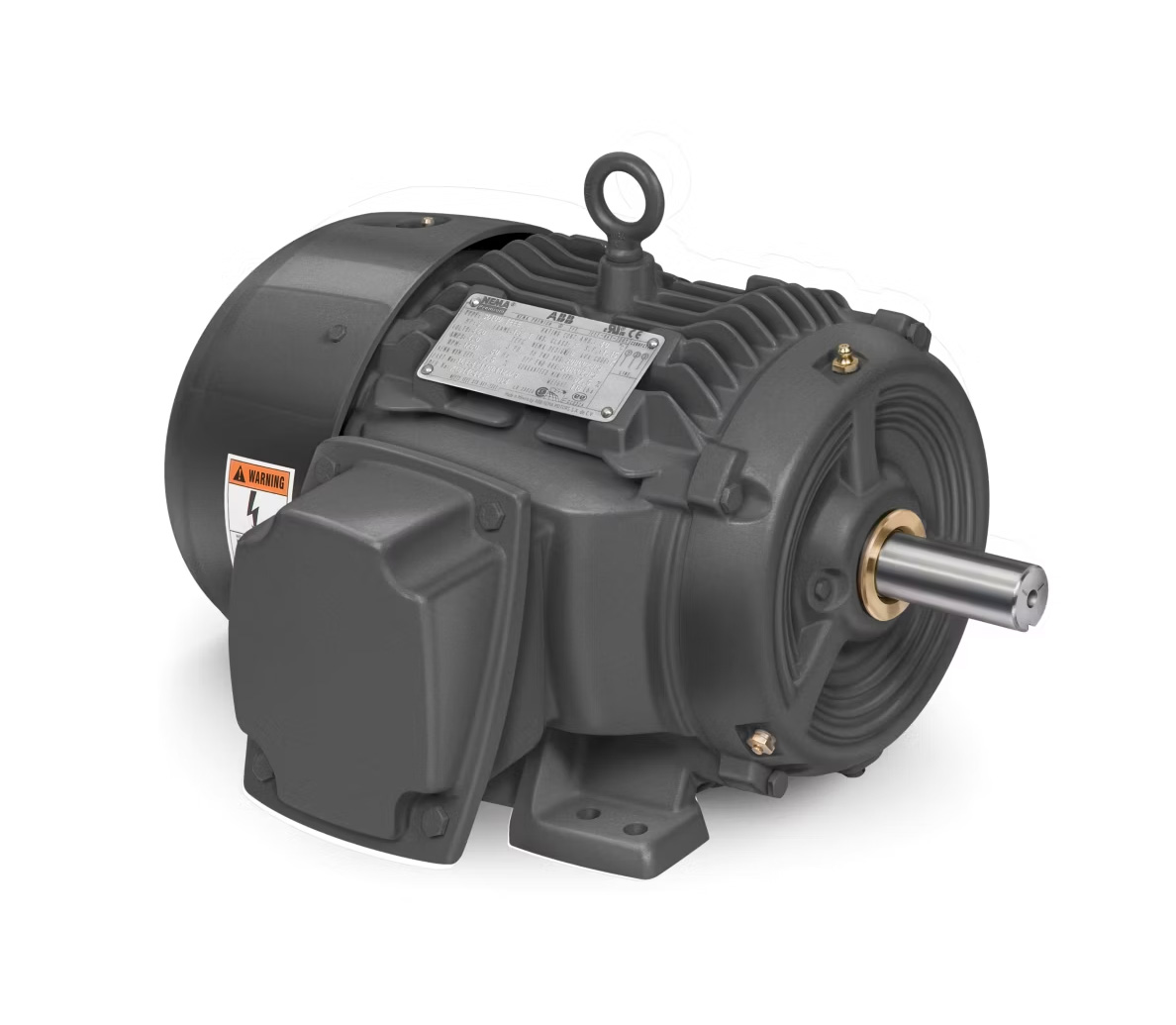
ABB SD661 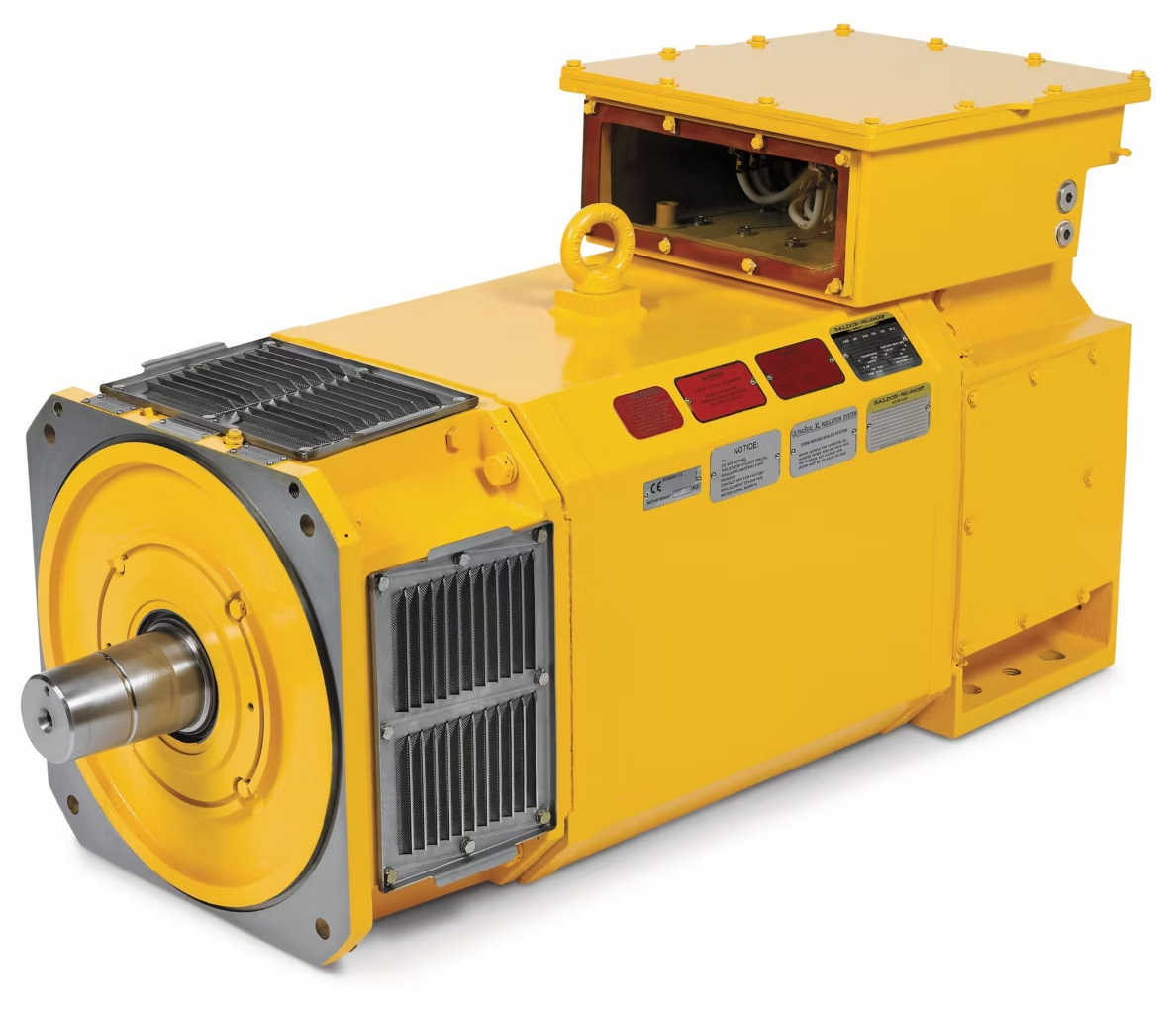
ABB Baldor-Reliance top-drive drilling motor
Customized engineering for success
Every offshore oil and gas project presents unique engineering challenges. ABB emphasizes thorough review of project specifications for offshore applications with stringent requirements. The company's engineering team evaluates environmental parameters, safety considerations and operational demands specific to each installation. This detailed analysis ensures that motors delivered to the field meet all performance requirements and operational expectations.
Offshore oil and gas operations demand motors that meet the highest standards for reliability, safety and efficiency. IEEE 841 and API specifications provide the foundational requirements. Environmental factors including saltwater corrosion, humidity and platform motion require specialized design features. Hazardous location certification and variable frequency drive compatibility add additional layers of complexity. ABB's comprehensive portfolio of energy-efficient, high-performance motors and variable speed drives addresses these demanding requirements. Through careful engineering and commitment to international standards, ABB enables offshore operators to maximize uptime, reduce maintenance costs and ensure the safety of personnel working in one of the world's most challenging industrial environments.


