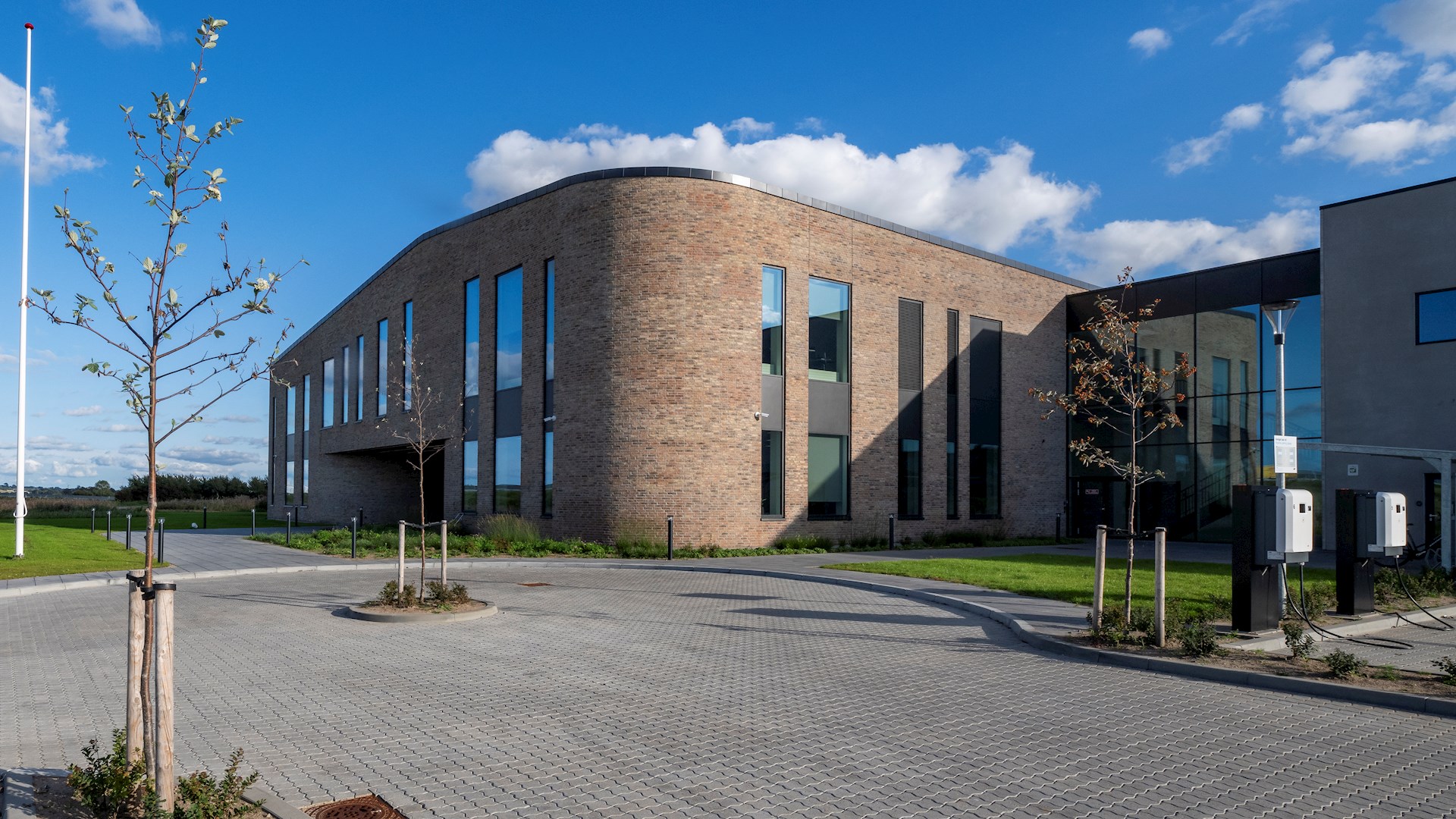
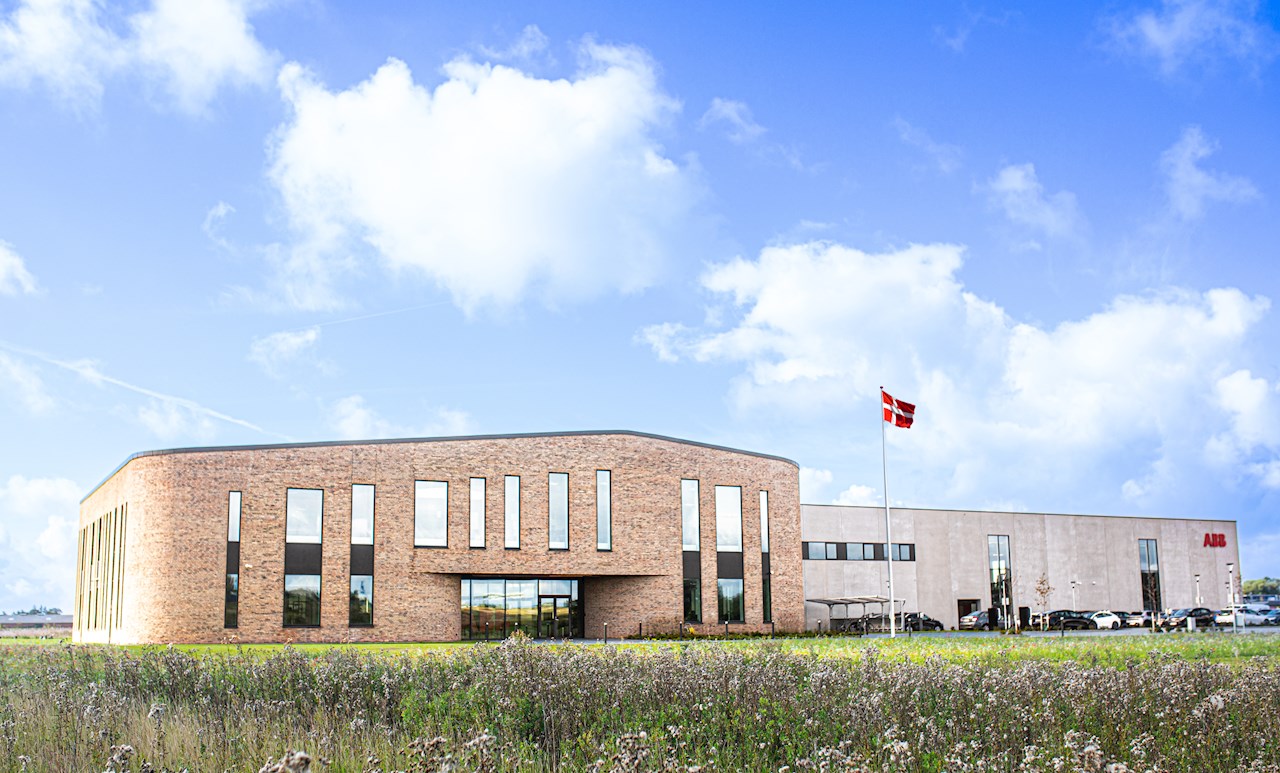
When ABB consolidated two older offices into a single headquarters in Middelfart, Denmark, it set itself an ambitious target: reduce energy consumption while actively managing, storing, and generating its own power.
More than a year after opening, the building demonstrates what's possible and serves as a live proof of concept for ABB Ability™ BuildingPro, the company's next-generation building management platform.
Moving to a greener energy profile
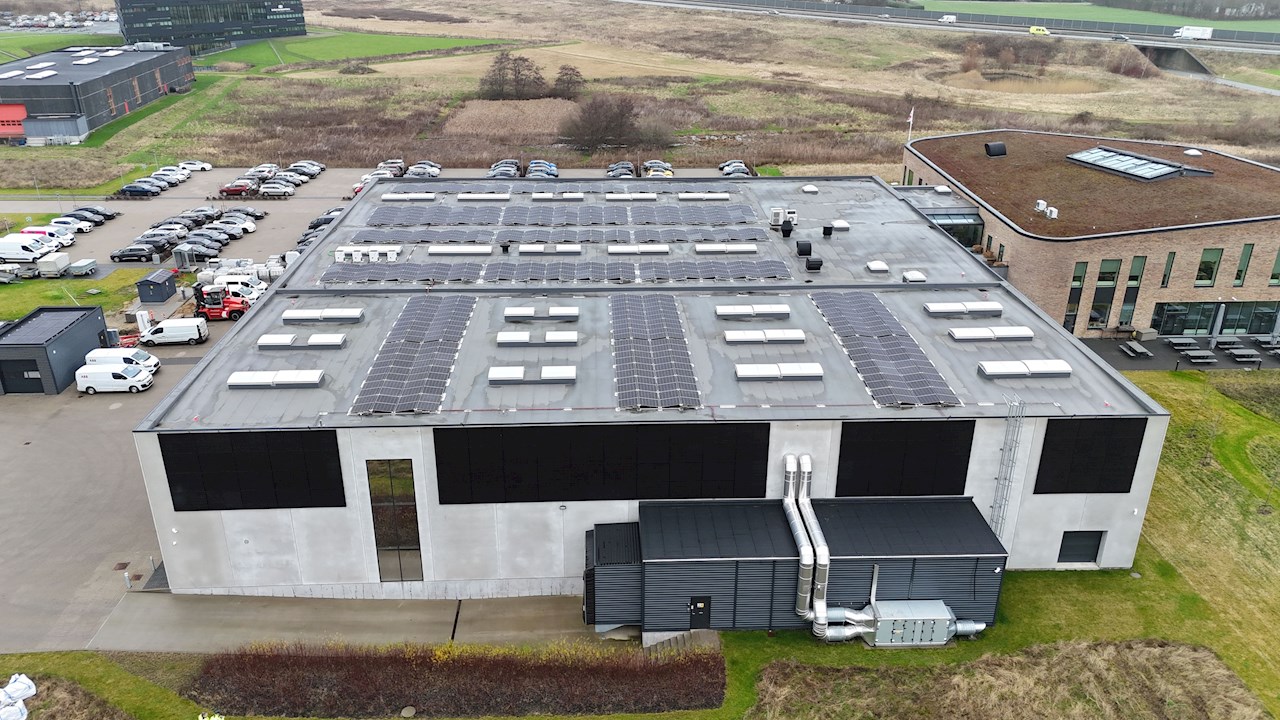
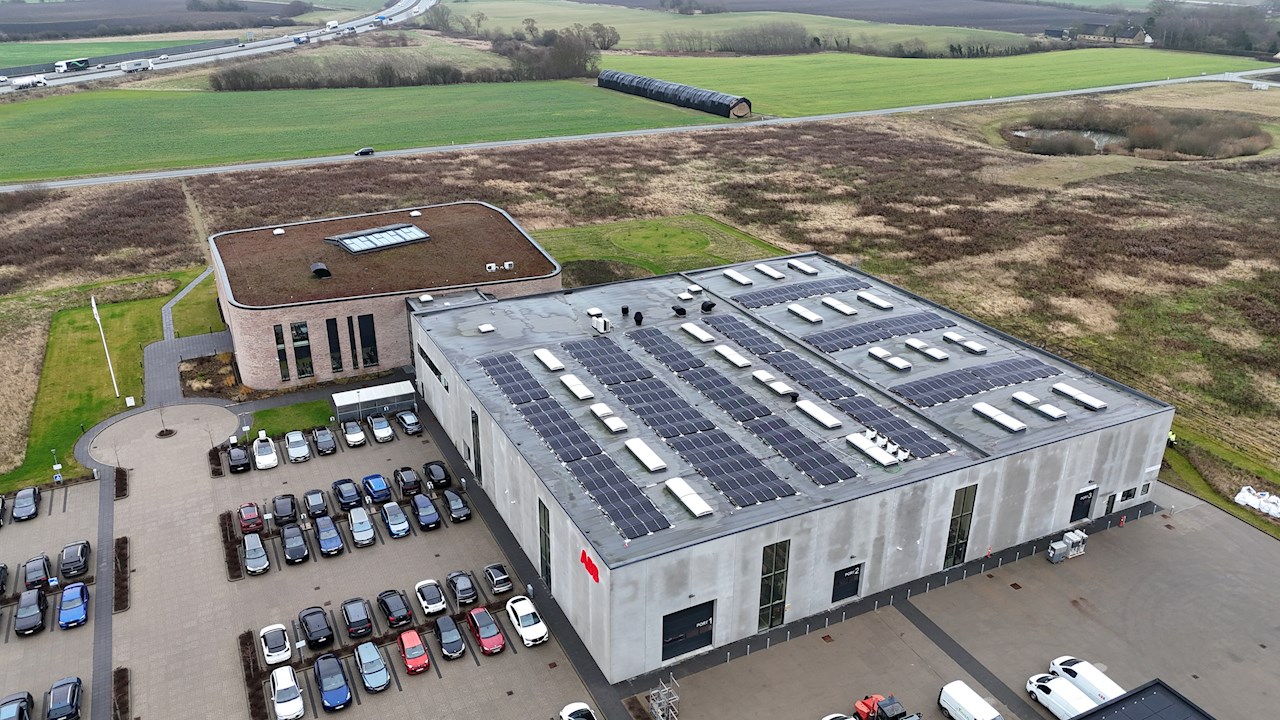
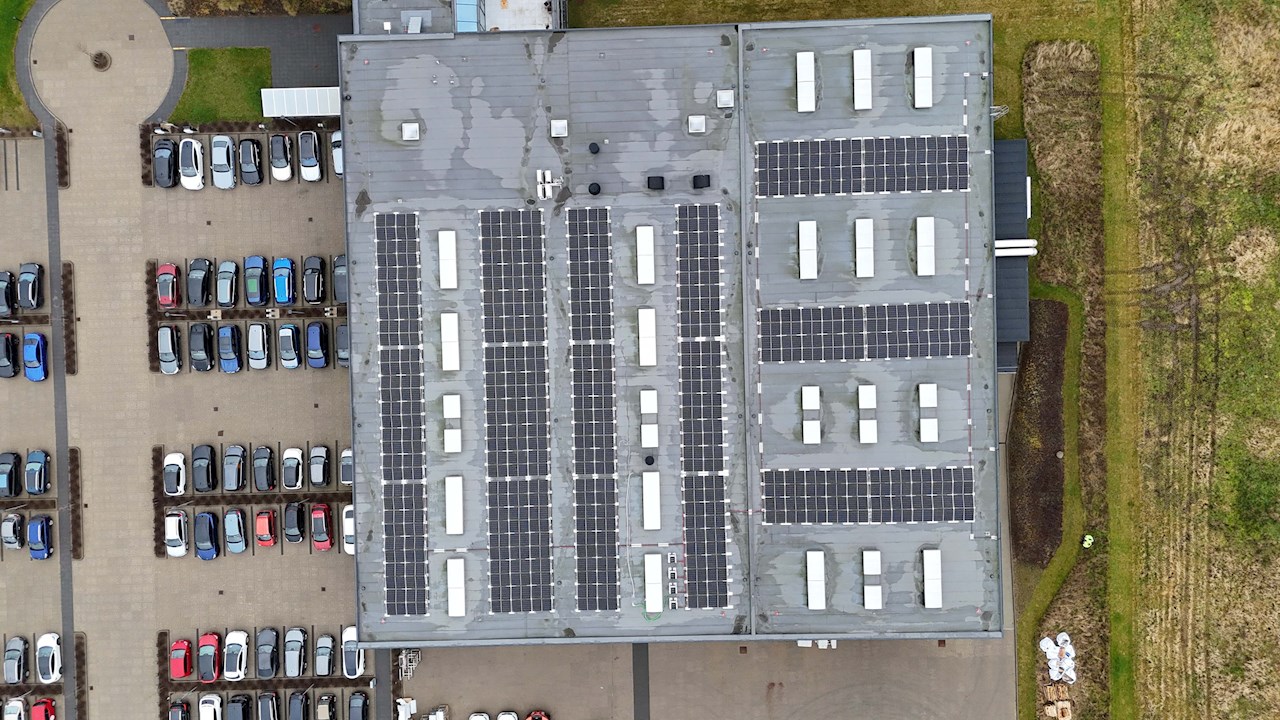
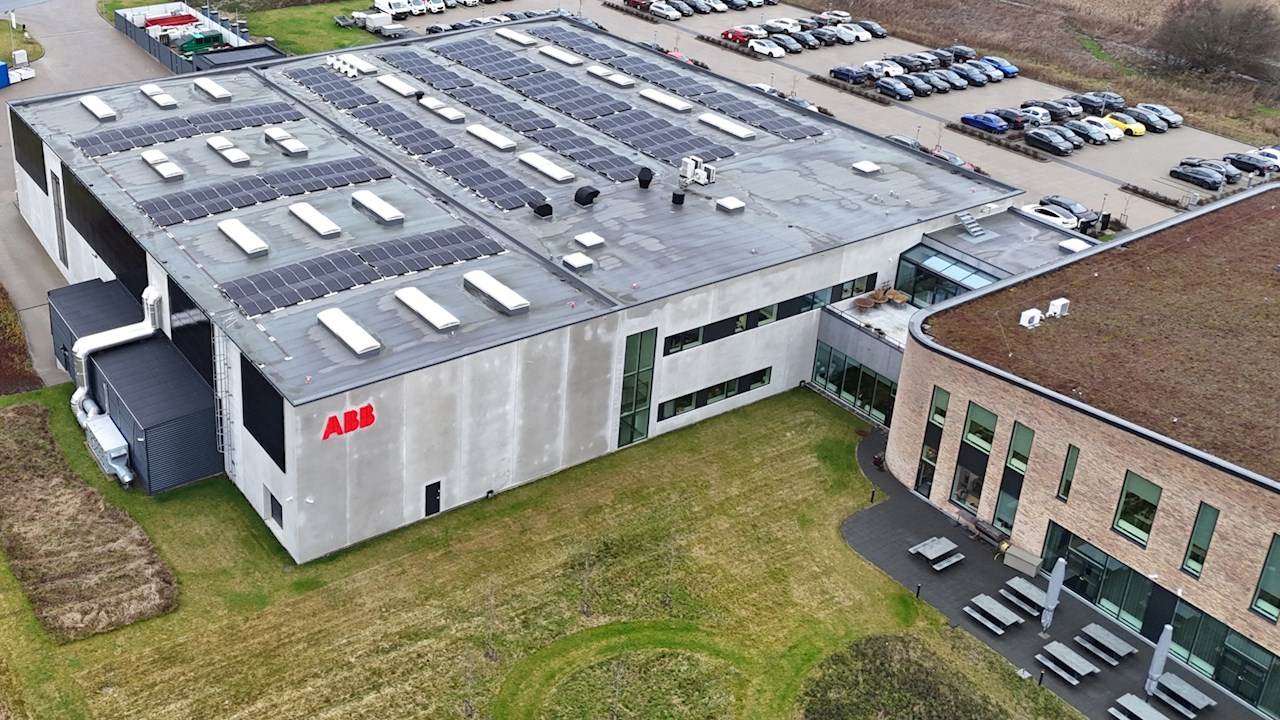
This consolidation and the move into a new site equipped with ABB's technology, reduced annual grid-supplied energy consumption from 2,215 MWh to 647 MWh – less than one-third of previous levels. This achievement was further advanced by an integrated solar system with panels installed across both the roof and facade. The facade panels are specifically designed to capture lower winter sunlight, extending renewable energy generation throughout the year.
The system is paired with a 400-kWh battery that stores surplus electricity for use when production drops, enabling the building to generate, store, and manage power dynamically while reducing reliance on the public grid. Together, the solar and battery system supplies around 45 percent of the building's annual energy demand.
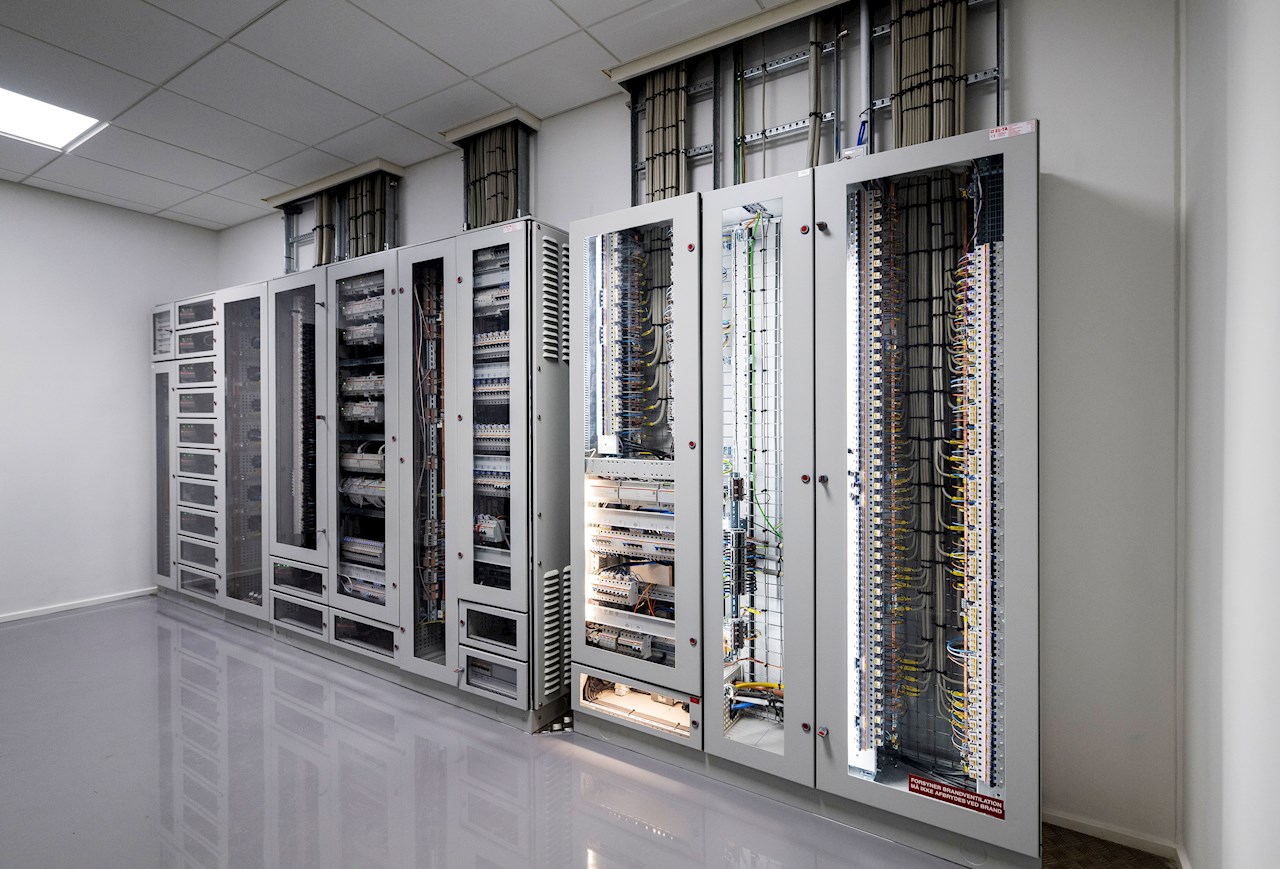
Inside the building, the InSite energy management system gives facility teams real-time visibility across energy consumption and electrical assets – collecting data via sensors across ABB’s protection devices, including Miniature Circuit Breakers (MCBs), Residual Current Devices (RCDs) and SMISSLINE TP – helping them identify opportunities for optimization and support compliance with standards such as ISO 50001.
ABB Ability™ OPTIMAX® will optimize energy flows by using weather forecasts and energy prices, intelligently balancing solar generation, battery storage and grid power once it is installed later this year. This enables the site to operate efficiently within its 500-amp grid limit.
A battery that does more than store power
The battery system at Middelfart is designed to do more than simply store excess solar energy. It also supports participation in Denmark’s frequency regulation market, enabling grid operator Energinet to draw on private battery systems to help stabilize the national electricity supply in real time.
This creates an additional revenue stream that helps offset the installation costs and shorten the payback period by up to two years.
Without storage, you do not get the full value of solar,” says Jacob Stenger, Local Marketing & Sales Manager and Commercial Leader, ABB Electrification. “The battery allows us to use energy when we actually need it – not just when it is generated.”
Evolving to ABB Ability™ BuildingPro: a platform for the future
The site has further advanced its building automation infrastructure by installing ABB Ability™ BuildingPro Vision and ABB BuildingPro Edge.
- BuildingPro Edge collects data on-site from building systems, including ABB i-bus® KNX room controls, and makes it available locally and in the cloud.
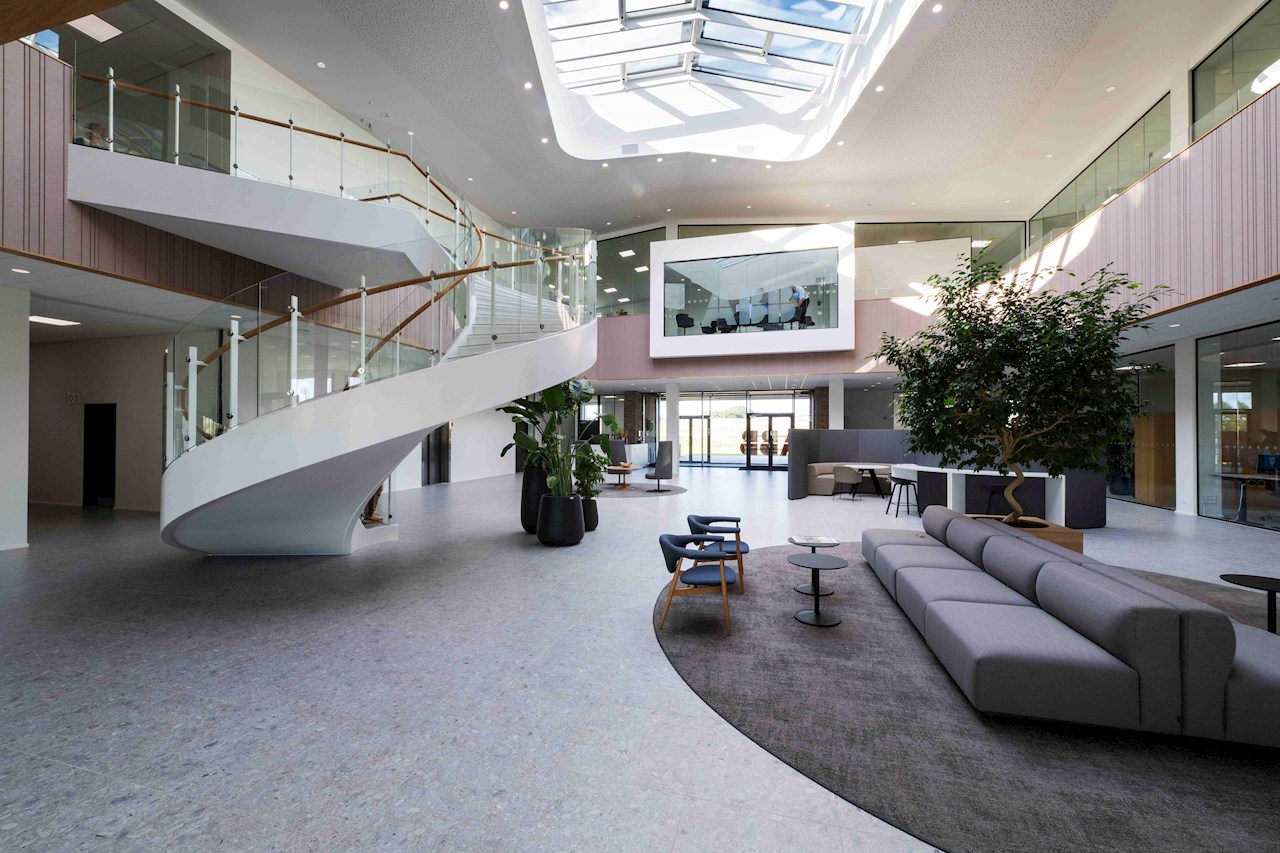
- BuildingPro Vision provides a graphical interface for monitoring building conditions, enabling remote adjustments and real-time visibility. A large touchscreen in the atrium displays live building performance also for visitors and employees.
Since the installation of solar panels and ABB Ability™ BuildingPro in February 2026, electricity consumption has fallen by up to 53 percent compared to the same period in 2025. With sensors now added to the water meters, water consumption has dropped by up to 30 percent over the same period.
Connected intelligence across buildings and portfolios
The next step is bringing in ABB Ability™ BuildingPro Suites as the unified intelligence platform for integrated building and portfolio management. As one of the first live test sites, Middelfart runs the complete ABB Ability™ BuildingPro ecosystem.
BuildingPro Suites expands data collection, analytics, and ESG reporting capabilities, while enabling portfolio-level optimization across multiple sites. Through secure cloud integration it also connects with enterprise IoT platforms such as Samsung SmartThings Pro creating a unified approach to building intelligence and control.
With this next-generation architecture in place, the site is ready for future integrations and AI-driven capabilities.
Regulation is catching up
The revised EU Energy Performance of Buildings Directive (EPBD) raises expectations for commercial buildings across Europe. Building automation systems are already required in larger non-residential buildings, with the threshold dropping significantly in 2029 to cover a far larger share of commercial real estate.
What Middelfart demonstrates is clear: smarter buildings mean healthier, more comfortable spaces for the people who use them – and a smaller footprint for the planet.
More than an office
Middelfart is a practical example of how commercial buildings can operate in an increasingly electrified energy landscape where grid capacity is under pressure.
Many companies are reaching the limits of their grid connection capacity,” says Jacob Stenger. “More are starting to look at how they can manage their own energy systems and generate more of their electricity themselves.”
By bringing the Middelfart site into our Mission to Zero™ journey1, we are reinforcing the project’s long-term ambition. The technology is already available. The question is how quickly companies are ready to apply it at scale.
-
1 Mission to Zero™ is ABB's scalable program that helps industrial and commercial operations reduce greenhouse gas emissions through energy generation, energy management, and building automation.


