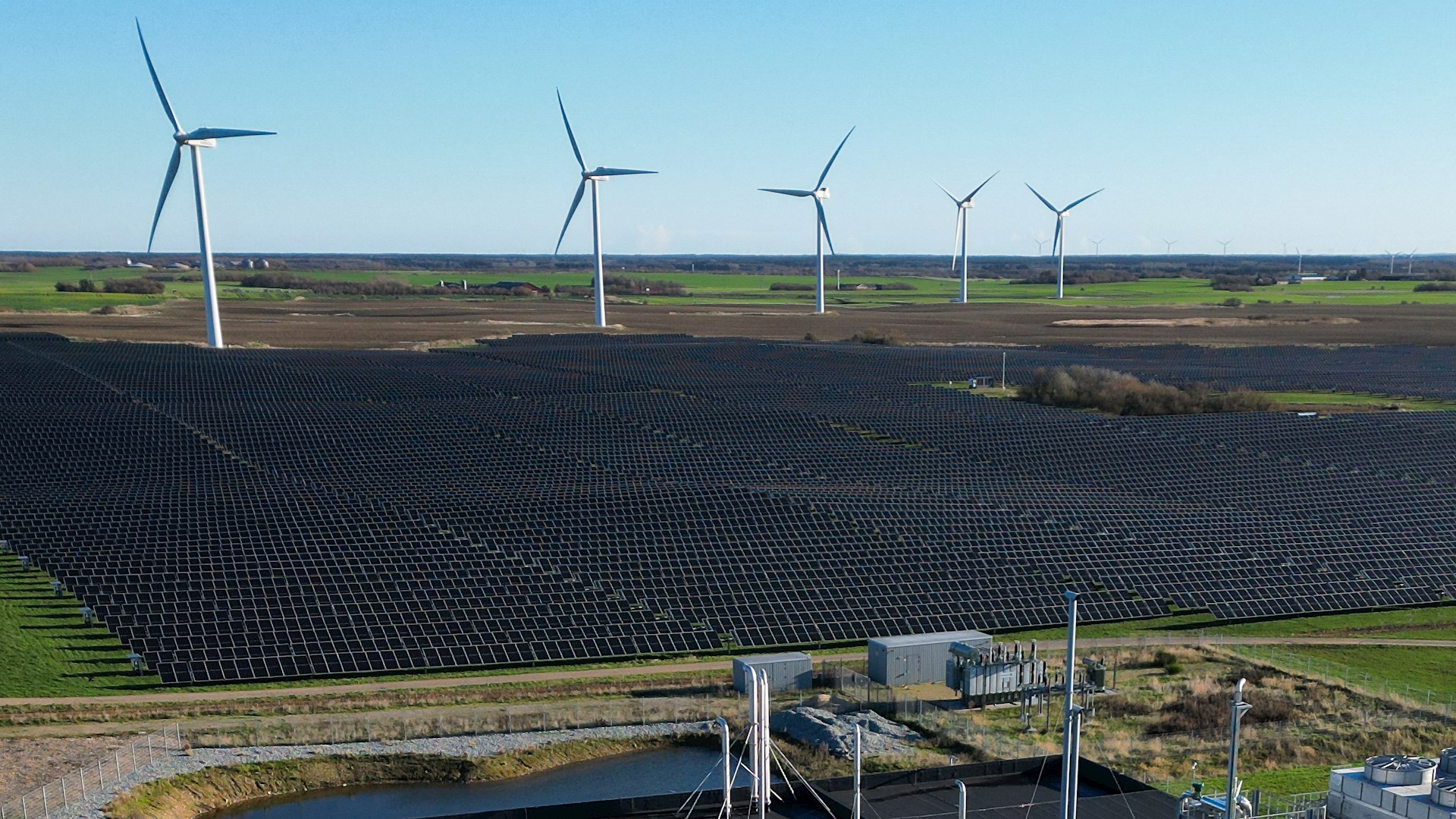
As countries seek to expand renewable energy capacity and decarbonize hard-to-abate industries, PtX technologies are emerging as an important solution. By converting renewable electricity into energy carriers and industrial feedstocks such as hydrogen and ammonia, PtX can help bridge the gap between renewable power generation and end-use demand.
REDDAP, which stands for Renewable Dynamic Distributed Ammonia Plant, demonstrates how this concept can work in practice. The facility uses electricity generated directly from on-site wind turbines and solar panels to produce up to 5,000 tonnes of green ammonia a year – using Topsoe’s green ammonia loop, a technology specially designed for dynamic operation because it allows for continuous operation and avoids shutdowns that are commonly caused with fluctuations in renewable energy supply.
This is crucial because parts of the chemical processes in a PtX plant are normally designed for stable, constant operation. When the power supply changes, electrolysis and the other processes must respond equally quickly to ensure controlled and safe production.
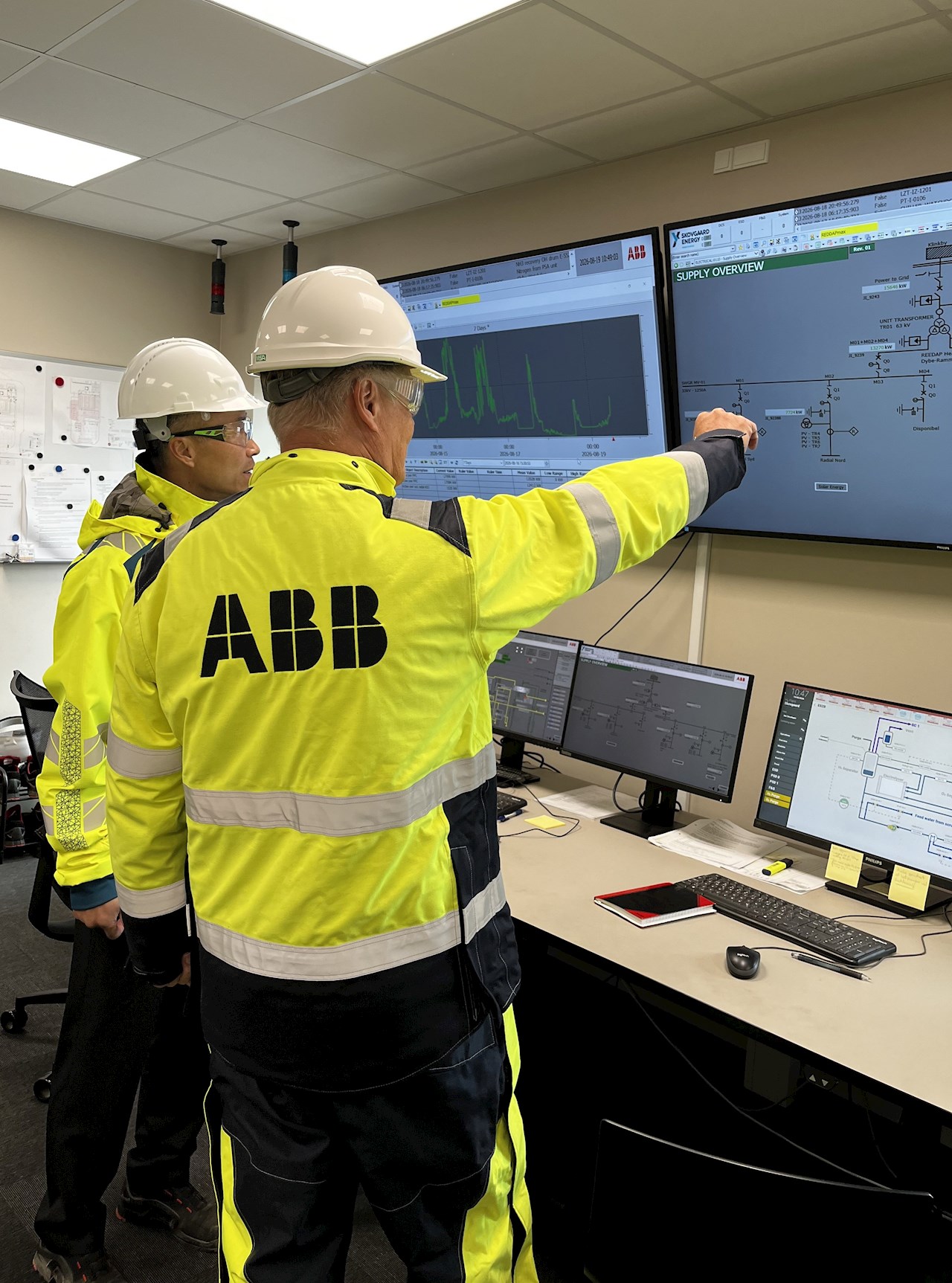
ABB has supplied the integrated control and safety system based on ABB Ability System 800xA 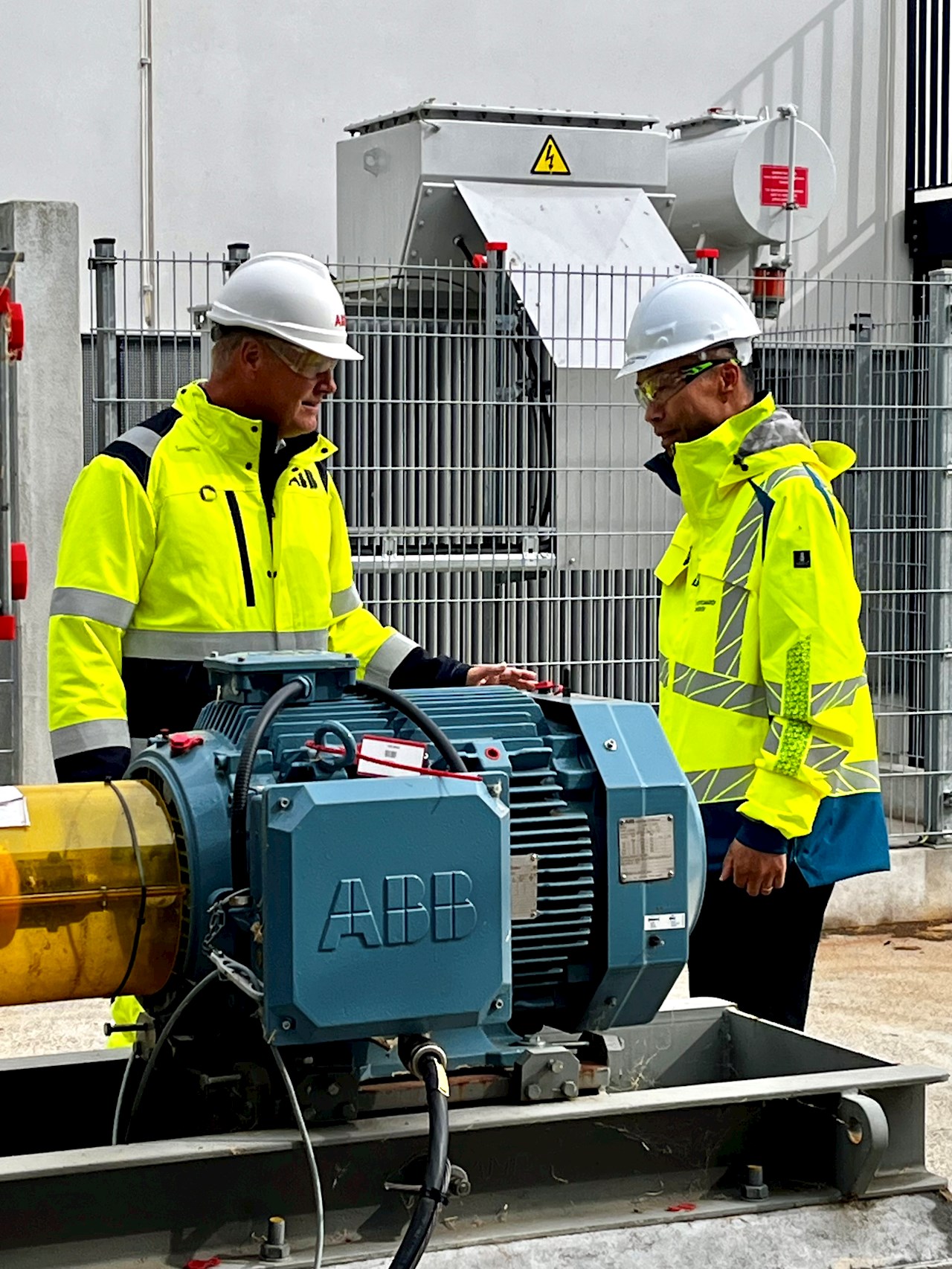
ABB’s scope of work at REDDAP also includes motors
The project is widely recognized as the world's first dynamic green ammonia plant directly coupled to renewable energy generation and designed to follow the availability of wind and solar power1. Established by Skovgaard Energy, Topsoe and Vestas, with support from Denmark's Energy Technology Development and Demonstration Programme (EUDP), the facility near Ramme, approximately 380 km west of Copenhagen, was created not only to produce green ammonia but also to generate practical knowledge that can support the next generation of PtX projects.
The green ammonia produced at REDDAP is being used for fertilizer and chemical production – but it is also planned as maritime fuel for shipping to support decarbonization of heavy transport when this value chain develops further.
"With REDDAP, we gain practical experience in producing green ammonia directly from wind and solar energy," said Pat A. Han, Chief Technical Officer at Skovgaard Energy. "For PtX to truly scale, we must not only prove that the technology works. We also need to learn how plants can be built and operated more efficiently, so that risk and costs decrease from project to project."
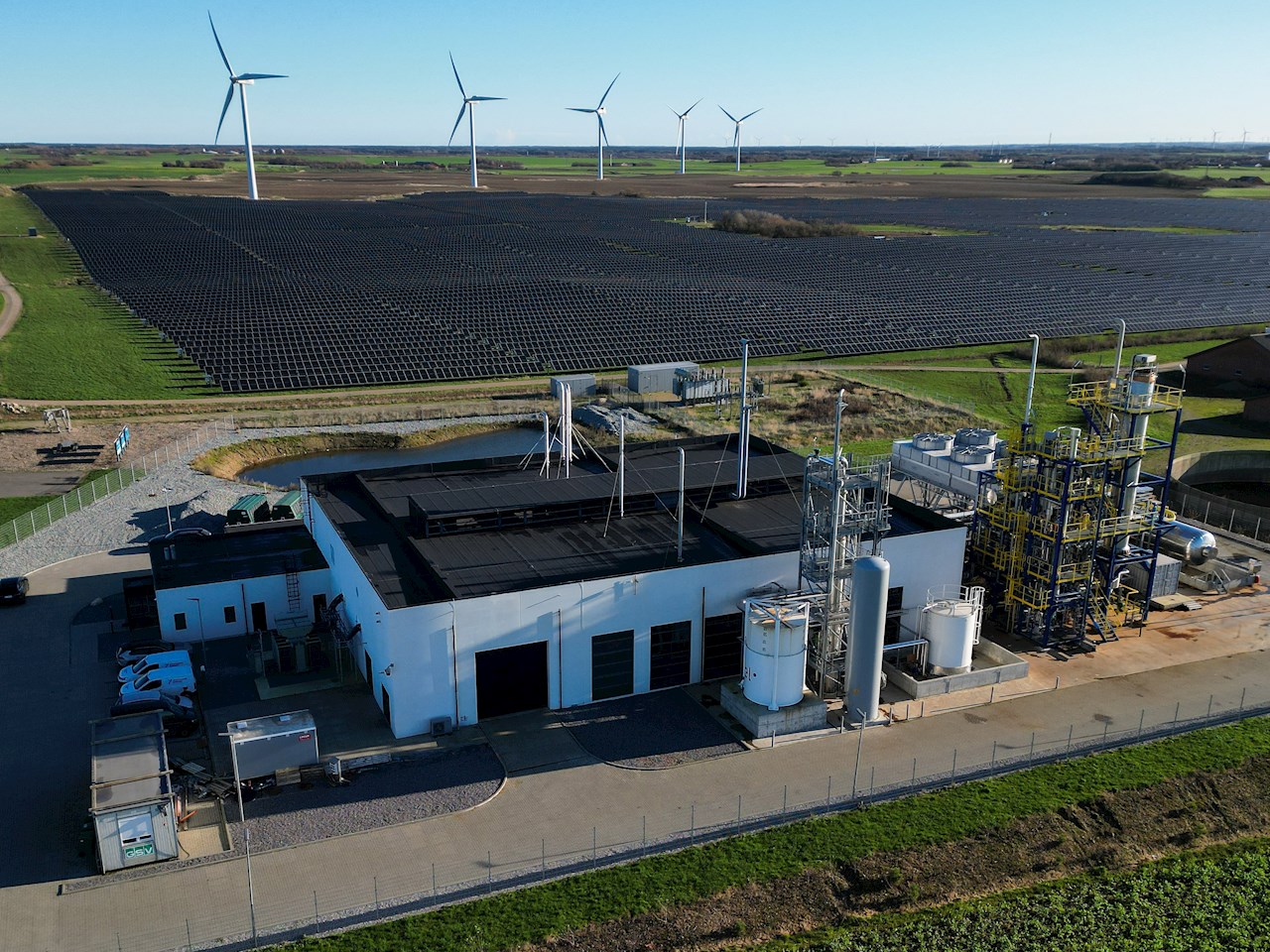
Turning renewable power into usable energy products
One of the key challenges facing PtX facilities is the variable nature of renewable energy. When wind speeds change or solar output fluctuates, production processes must respond quickly while maintaining safety, stability and efficiency. Unlike traditional industrial plants designed to operate under steady conditions, dynamic PtX facilities must continually adapt to changing power input.
ABB worked with Skovgaard Energy and Topsoe as the automation, electrical and safety system integrator for REDDAP, delivering a solution that enables the facility to respond rapidly to changing renewable power conditions while maintaining stable operation across the entire ammonia production process.
ABB has supplied the integrated control and safety system (ICSS) based on ABB Ability™ System 800xA®, which bridges both process control and electrical control. ABB’s scope of work also includes all electrical distribution from upstream electrolyzers, including a PCT880 thyristor-based rectifier, transformers, medium and low voltage switchgear, and frequency converters for the process equipment.
This rectifier, which is specifically designed for hydrogen production, converts alternating current into the stable direct current required by the electrolysis process. In addition to high energy efficiency, it helps limit electrical disturbances and supports the dynamic regulation of the plant. The solution is also modular and can be scaled to larger electrolysis plants. ABB has also contributed to power distribution from the plant's transformer connection to the electrolysis plant, pumps and other electrical consumers.
"Dynamic PtX is largely an integration challenge. The technical components are well-known. The task is to size them correctly, make them work together, and control the plant as one unified system. Here, the experiences from Ramme can help reduce complexity and risk in future projects," said Tom Lundsgaard Zøllner, Vice President for ABB’s Energy Industries division in Denmark. "By reducing development time, avoid over-engineering and make operations more predictable and efficient, we can improve a significant part of the business case. This can make the next projects more attractive to both customers and investors, and ensure lower prices for the end product."
Learning by doing
Beyond its role as an operational facility, REDDAP serves as a learning platform for the wider industry. The project is helping stakeholders better understand how dynamic PtX systems behave in real-world operating conditions and how future facilities can be designed, integrated and commissioned more efficiently.
Virtual simulation played an important role during the development phase. Before construction, ABB engineers conducted studies to model plant behavior under different operating conditions, helping identify potential bottlenecks and integration challenges before they emerged in the physical facility. The resulting insights are expected to help lower complexity and risk, and shorten timelines for future projects. By reusing documented components, system architectures, simulation models and integration principles, the need to develop each plant from scratch is reduced.
"REDDAP shows what's possible when partners combine their individual expertise on a shared challenge rather than working in isolation. Together, we've been able to demonstrate that dynamic PtX technology works and the additional value here is that industry learns from real-world operation to support future scale-up," said Per Erik Holsten, President of ABB's Energy Industries division. "PtX helps extend the benefits of renewable electricity to sectors where direct electrification is challenging. This is an important part of building the future energy ecosystem."
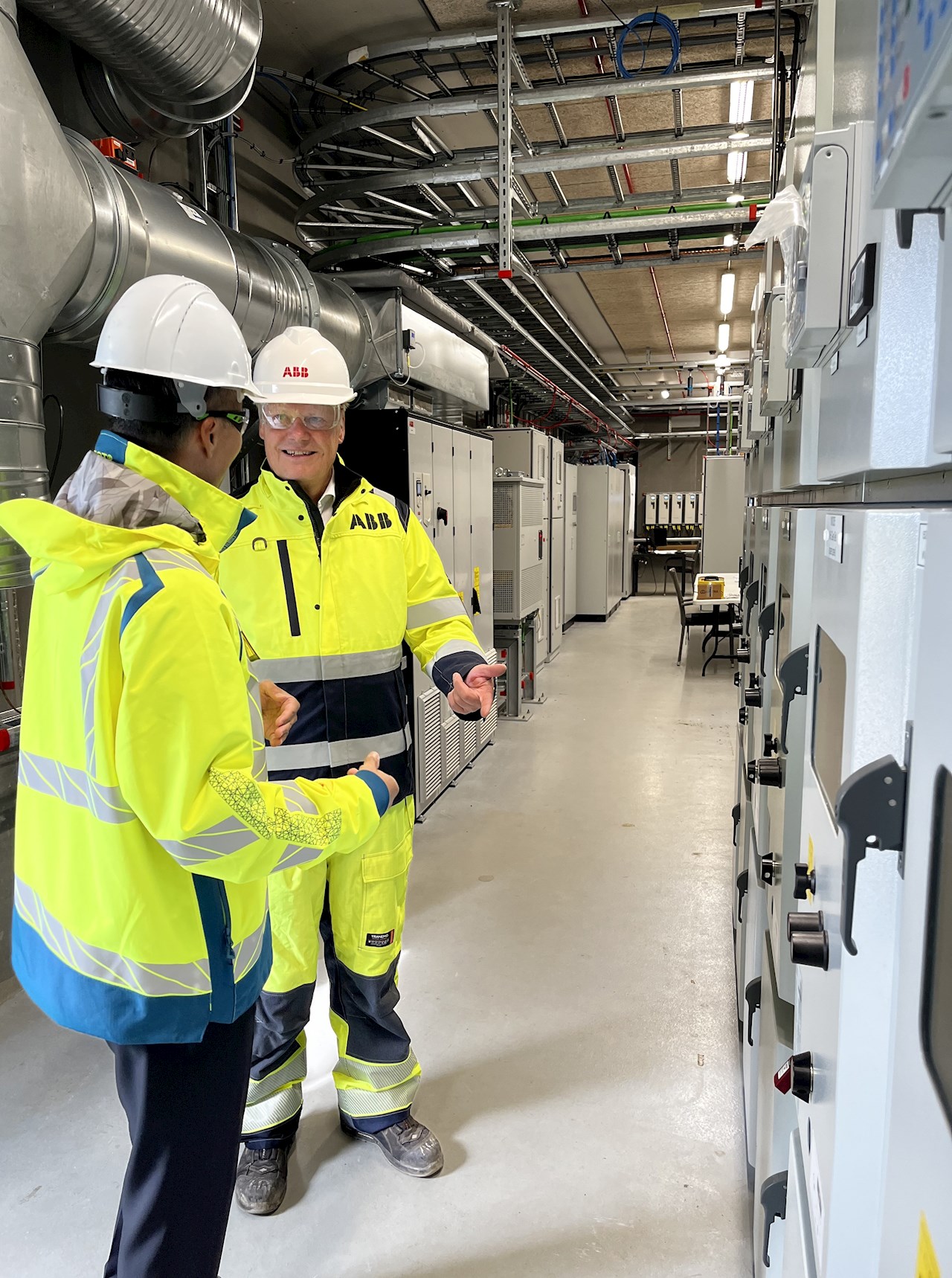
ABB’s scope of work covers all electrical distribution, including medium and low voltage switchgear 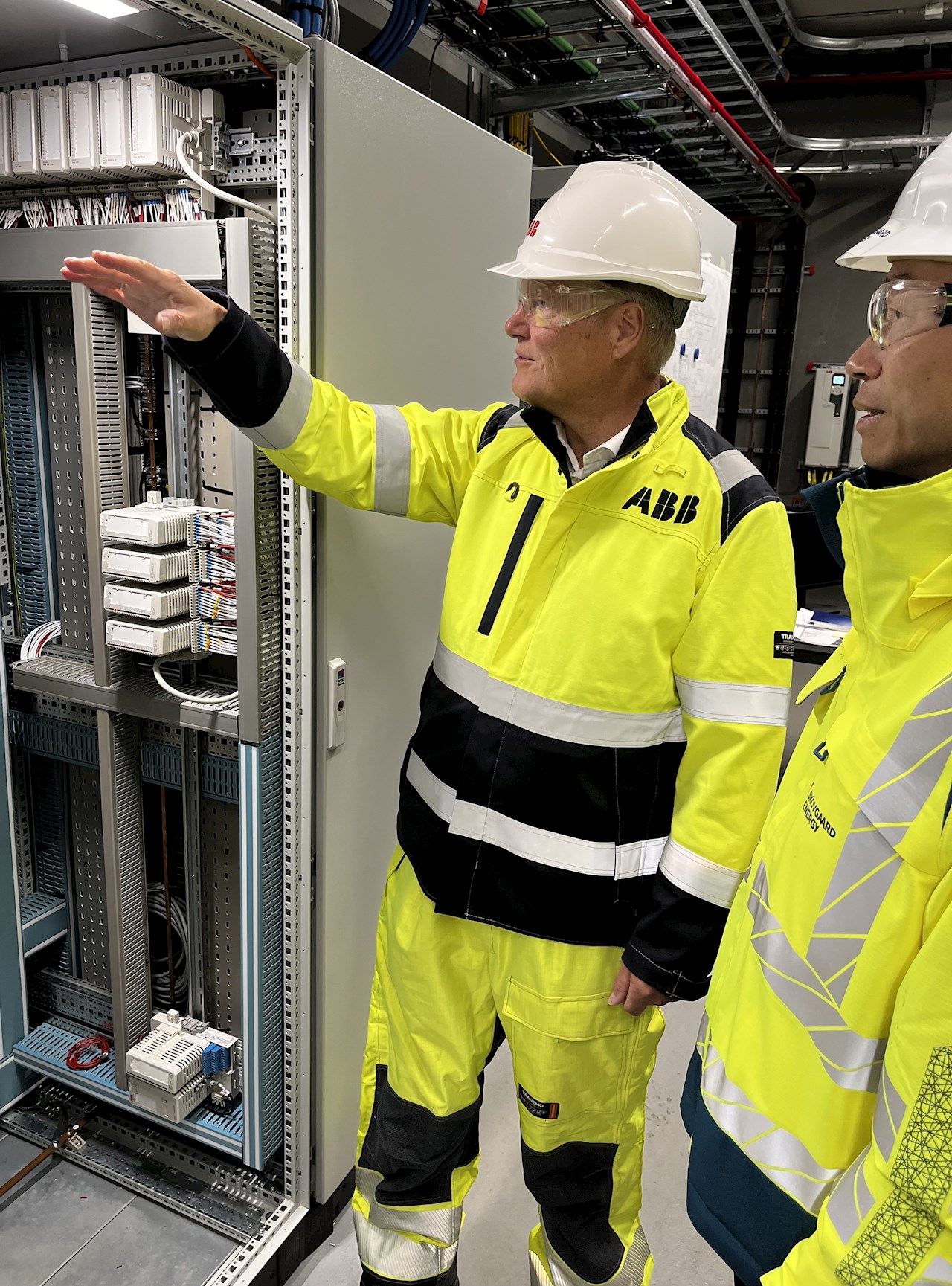
ABB's automation system enables the facility to respond rapidly to changing renewable power conditions while maintaining stable operation
Building a pathway to industrial scale
As PtX projects move from demonstration to commercial deployment, scalability will become increasingly important. Lessons learned from REDDAP are helping establish proven integration principles, reusable architectures and standardized approaches that can support larger and more complex facilities in the future.
The facility serves as a technology reference point for researchers, investors, policymakers and project developers interested in understanding how renewable power can be converted into green ammonia. The design has also been conceived as a modular concept that can be replicated and adapted for deployment in other locations across Denmark and elsewhere.
By reducing development time, improving predictability and limiting the need for bespoke engineering, the industry can accelerate the deployment of future dynamic PtX facilities while strengthening the business case for green ammonia and other renewable energy carriers. The experience gained at REDDAP demonstrates how collaboration, and automation and electrification system integration can help move emerging technologies from demonstration phase to industrial scale.


