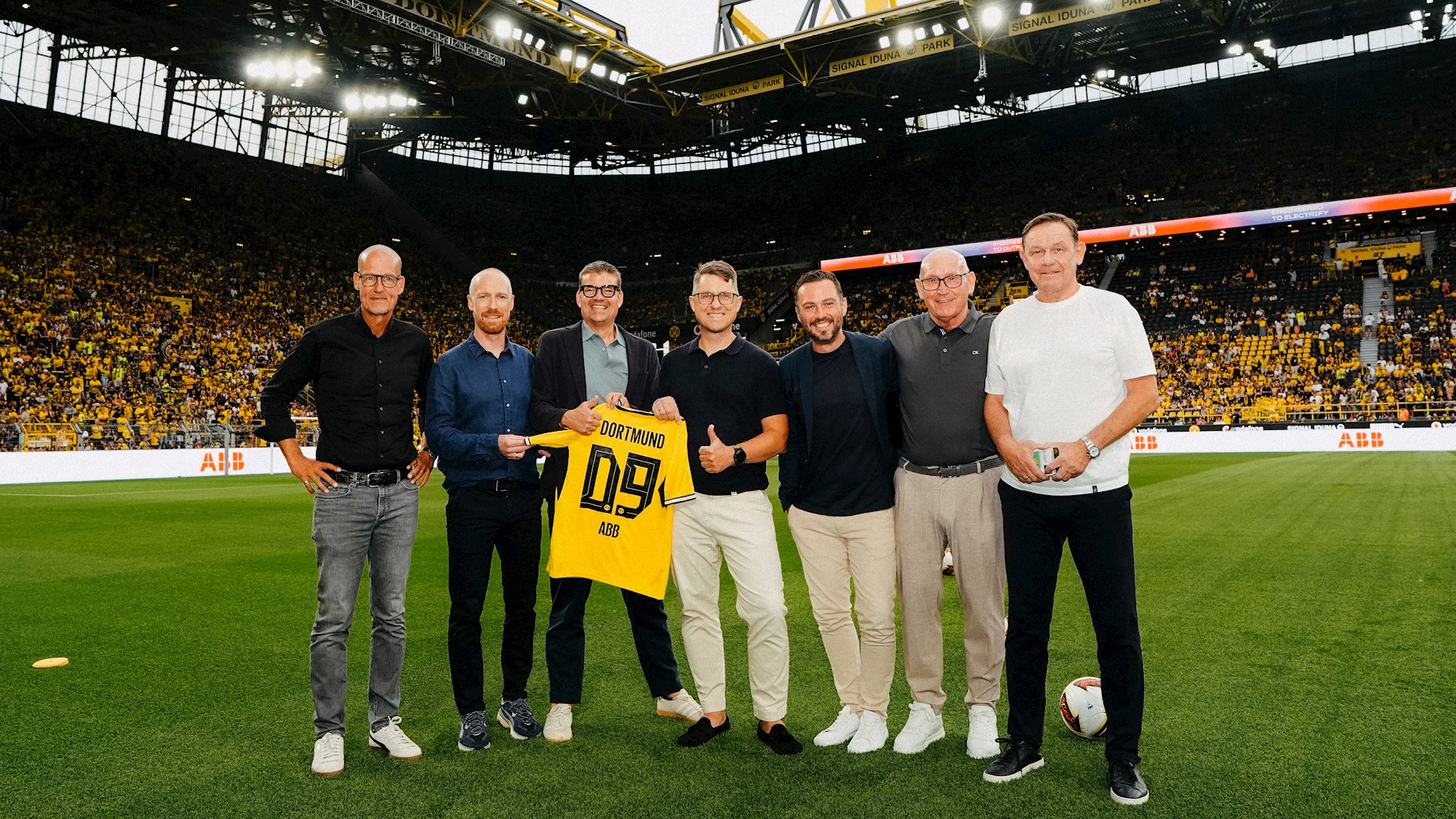
- ABB becomes Borussia Dortmund’s Energy Management Partner, building on an established technological collaboration at SIGNAL IDUNA PARK stadium
- Energy management, intelligent electrical distribution and modern building automation help optimize performance and reliability in Germany’s largest football stadium
- Open, scalable systems integrate with the stadium's existing infrastructure – avoiding a costly rebuild while supporting more than 81,000 fans on matchday
ABB and Borussia Dortmund (BVB) today announced a strategic partnership, with ABB becoming BVB’s Energy Management Partner, building on years of continued technological collaboration at SIGNAL IDUNA PARK. Together, the two organizations are transforming Germany's largest football stadium into a showcase for smart energy management, resilient electrification and intelligent building automation – developing a scalable approach in one of the world's most complex and operationally demanding venues.
Every matchday, more than 81,000 fans transform SIGNAL IDUNA PARK into one of football's most electrifying venues. Home to Borussia Dortmund's famous 'Yellow Wall' – Europe's largest standing terrace – SIGNAL IDUNA PARK has hosted Bundesliga, Champions League, World Cup and European Championship matches, making it one of the most iconic stadiums in world football. Behind the scenes, another kind of performance makes that experience possible: the intelligent management of energy, electrical infrastructure and building systems.
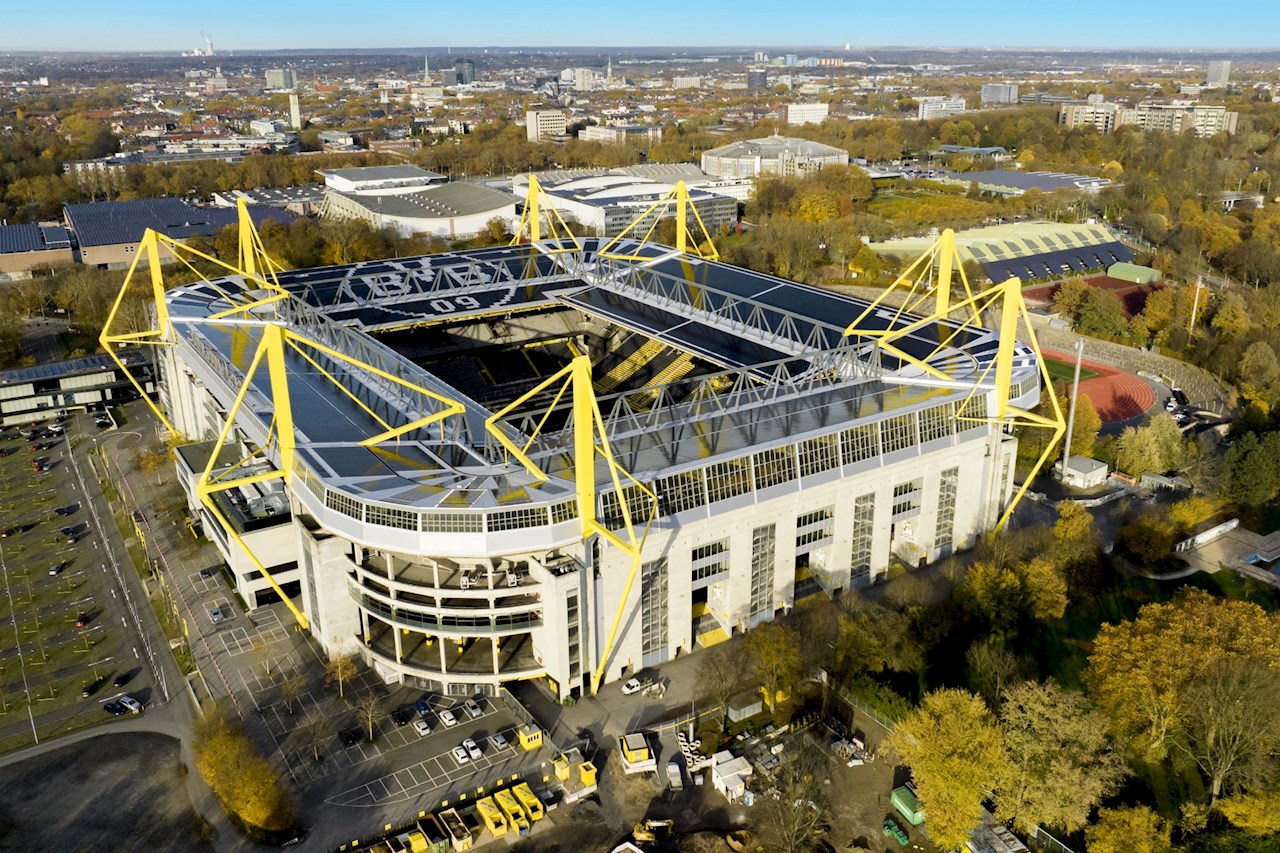
Few environments test infrastructure more intensely than a football stadium. Within hours, SIGNAL IDUNA PARK shifts from everyday operation to serving supporters, broadcasters, hospitality areas, security systems and other critical services. Energy demand can rise sharply from near-zero to peak megawatt levels while operational continuity remains non-negotiable.
“Thousands of people come together to create something extraordinary at Signal Iduna Park,” Dr. Christian Hockenjos, Director of Organization & Managing Director BVB Stadium Management GmbH, said. “With ABB, we have a partner that shares our ambition to continuously improve performance – not only on the pitch, but throughout the infrastructure behind it. Building on our existing collaboration, we want to set new standards for efficient and future-ready stadium operations.”
Unlike a new-build stadium designed from scratch, SIGNAL IDUNA PARK is an established venue whose infrastructure has grown and evolved over decades. Originally opened in 1974, the stadium demonstrates how existing infrastructure can be retrofitted through electrification – a challenge relevant across many building types, industries and public infrastructure.
Borussia Dortmund was the first Bundesliga club with climate goals validated by the Science Based Targets initiative (SBTi). The club also operates the world's most powerful photovoltaic system on a football stadium roof, with an installed capacity of up to 5 MWp – a commitment advancing further with a 3.75 MWh battery storage system planned before year-end.
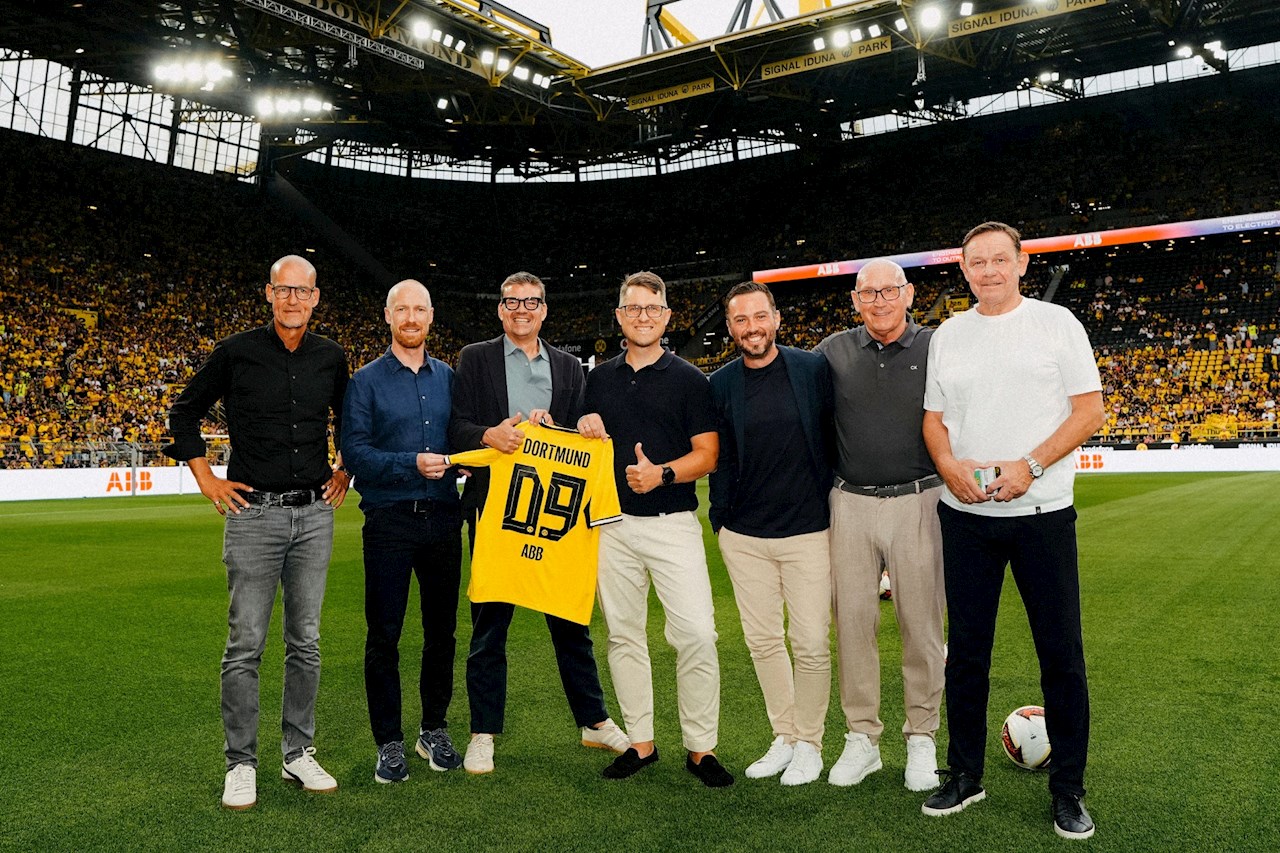
Over the past years, Borussia Dortmund and ABB have worked together to modernize the stadium’s electrical infrastructure, KNX-based building automation, heating, ventilation, air conditioning (HVAC), and energy management systems. This work builds on SIGNAL IDUNA PARK's ISO 50001-certified energy management system, which provides a structured and independently validated framework for monitoring, measuring and continuously improving energy performance. As "Energy Management Partner", ABB will now build on this foundation to further optimize energy use, increase operational transparency, and support Borussia Dortmund's continuous improvement of energy performance.
Central to the approach is an open, scalable architecture that integrates with existing systems and can expand across the wider BVB portfolio, from the Dortmund-Brackel training ground and academy to BVB FanWelt and future EV charging infrastructure. What is being developed at SIGNAL IDUNA PARK is not just relevant for the world’s most demanding live venues, but for the modernization of complex existing buildings everywhere.
“Our partnership with ABB demonstrates how a long-standing collaboration can lead to concrete solutions that deliver strategic value for both sides. Together, we are making Signal Iduna Park more efficient and future-proof,“ says Benedikt Scholz, Director Internationalization & Commercial Partnerships at BVB.
“Signal Iduna Park combines the demands of critical infrastructure with the complexity of a building that has evolved over decades,” said Mark Zwerner, VP Strategic Partnerships at ABB. “By bringing together electrification, energy management and building automation through an open, scalable architecture, we can help Borussia Dortmund improve performance while maintaining reliable operations. What we prove here can provide a blueprint for complex buildings far beyond football.”
This partnership brings together two organizations committed to demonstrating that energy efficiency, operational performance and long-term resilience go hand in hand. ABB's mission to help buildings become more energy-efficient, connected and future-ready – combined with Borussia Dortmund's SBTi-validated climate targets and experience operating one of Europe's most complex and most visited properties – sets a new standard for what's possible in demanding, real-world environments.
For more information, visit: https://new.abb.com/buildings/abb-bvb
About ABB
ABB is a global technology leader in electrification and automation, enabling a more sustainable and resource-efficient future. By connecting its engineering and digitalization expertise, ABB helps industries run at high performance, while becoming more efficient, productive and sustainable so they outperform. At ABB, we call this ‘Engineered to Outrun’. The company has over 140 years of history and more than 105,000 employees worldwide. ABB’s shares are listed on the SIX Swiss Exchange (ABBN) and Nasdaq Stockholm (ABB). www.abb.com
ABB Electrification is a global technology leader enabling the efficient and reliable distribution of electricity from source to socket. With more than 50,000 employees across 100 countries, we collaborate with our customers and partners to solve the world’s greatest challenges in electrical distribution and energy management. As the energy transition accelerates and electricity demands grow, we are electrifying the world in a safe, smart and sustainable way. At ABB, we are ‘Engineered to Outrun’, and we are passionate about helping our customers and partners do the same. go.abb/electrification
About Borussia Dortmund
Borussia Dortmund is one of the most traditional and popular German football clubs. Founded in 1909, BVB boasts more than 10 million fans within Germany and, in addition, also looks to a rapidly growing fan base worldwide. The eight-time German champions and five-time DFB-Pokal winner was in 1966 the first German club to win a European Cup competition. BVB also became the first Bundesliga club to win the UEFA Champions League in 1997, followed by the Intercontinental Cup in the same year. With a turnover of over 500 million Euro, Borussia Dortmund nowadays is also one of the economically strongest football clubs in the world.


