With more than 8 billion people to feed today and nearly 10 billion expected by 2050, the challenge of producing enough nutritious food sustainably has never been greater. Yet, the very systems that feed us are also placing growing pressure on the planet. Agriculture is the largest source of human-caused methane emissions, accounting for around 40% of the global total. This presents a dual challenge: producing more food for a growing population while reducing environmental footprint.
For Bengaluru-based String Bio, the answer lies in rethinking how methane can be used. In specially designed bioreactors, String Bio uses methane as a feedstock to nourish natural microbes, which convert it into high-value nutrition products for agriculture, animals and human consumption. At the heart of this transformation is ABB’s advanced control system, enabling end-to-end automation at Asia’s first-of-its-kind gas fermentation plant.
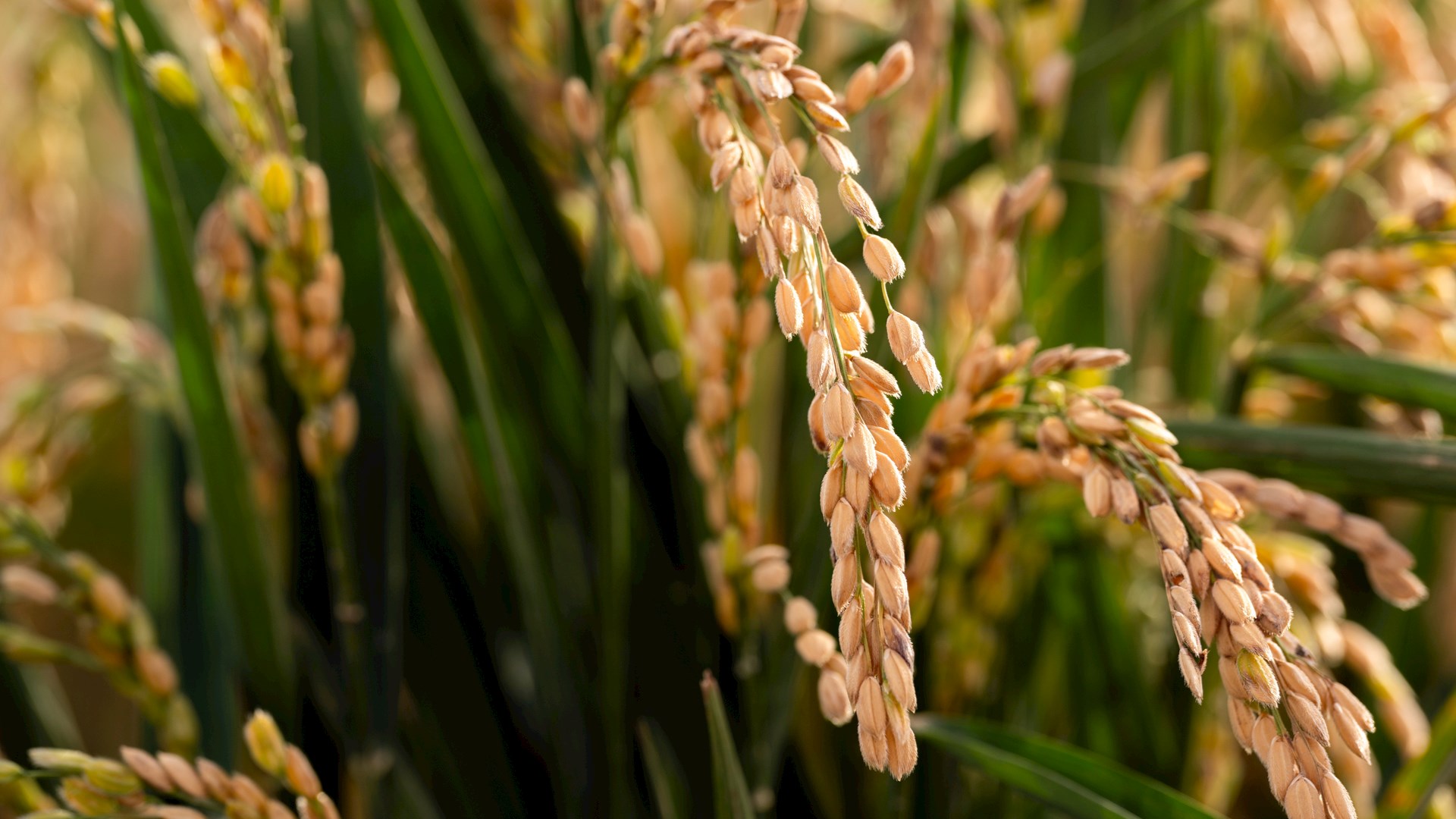
The production process at String Bio’s plant is complex and highly sensitive. ABB technology enables precise, controlled reactions and high yields through a fully automated, continuous fermentation process with minimal manual intervention. Operating 24/7, this ensures consistent output and underpins solutions like CleanRise®, which can increase rice yields by up to 40% while reducing methane emissions from paddy fields by up to 50%, supporting both farmer productivity and climate goals. Similarly, sustainable protein ingredients like Sustain, produced with significantly lower land, water, and carbon requirements depend on tightly controlled bioprocessing environments. ABB’s automation provides the precision and reliability needed to translate these innovations from lab to large-scale production, reinforcing its role as a key partner in enabling sustainable, bio-based value chains.
From the moment microbes are introduced into the fermentation vessel, ABB’s advanced control system takes command, guiding every stage with precision as the process advances through its many downstream operations until the output is harvested and ready for packaging. Every piece of equipment in the process is seamlessly connected to the ABB system, with every data point captured and comprehensive reports readily available for audits and future planning. Operators can monitor and control various critical production parameters in real time, ensuring the microbes thrive without interruption.
Building on terabytes of data, String Bio is also looking to bring in predictive analytics, leveraging AI to further optimize its production process.
“Our challenge was scale, taking a breakthrough biotechnology and making it reliable, efficient, and ready for the real world. We are talking about catering to over 16 million acres of agricultural land from this facility. Furthermore, this facility can produce high-quality proteins equivalent to what nearly 10,000 acres of soy cultivation would yield in four to six months, in just 36 hours,” said Vinod Kumar, MD and Co-Founder, String Bio.
“ABB’s automation technology gives us precision, control, and real-time insights we need to operate at industrial scale, with consistency and confidence. They understand the complexity of our process and more importantly, how to simplify and optimize it. With ABB, we are accelerating time to market, maximizing efficiency, and maintaining the highest standards of quality and sustainability,” he added.
“At ABB, we believe real change begins when technology meets purpose. Our partnership with String Bio demonstrates how automation can help bridge the gap between breakthrough science and commercial-scale manufacturing. By enabling greater process control, consistency and scalability, we are helping innovators bring transformative solutions to market faster and more efficiently,” said G. Balaji, SVP, Energy Industries, ABB India.
String Bio is scaling towards over one million liters of production capacity for sustainable nutrition across agricultural, animal, and human nutrition markets, accelerating global adoption through strategic partnerships. Building on its proven platform and tightly controlled processes, the next phase is about expanding reliably, supported by ABB’s process control systems that maintain precision and operational continuity in large-scale fermentation.


