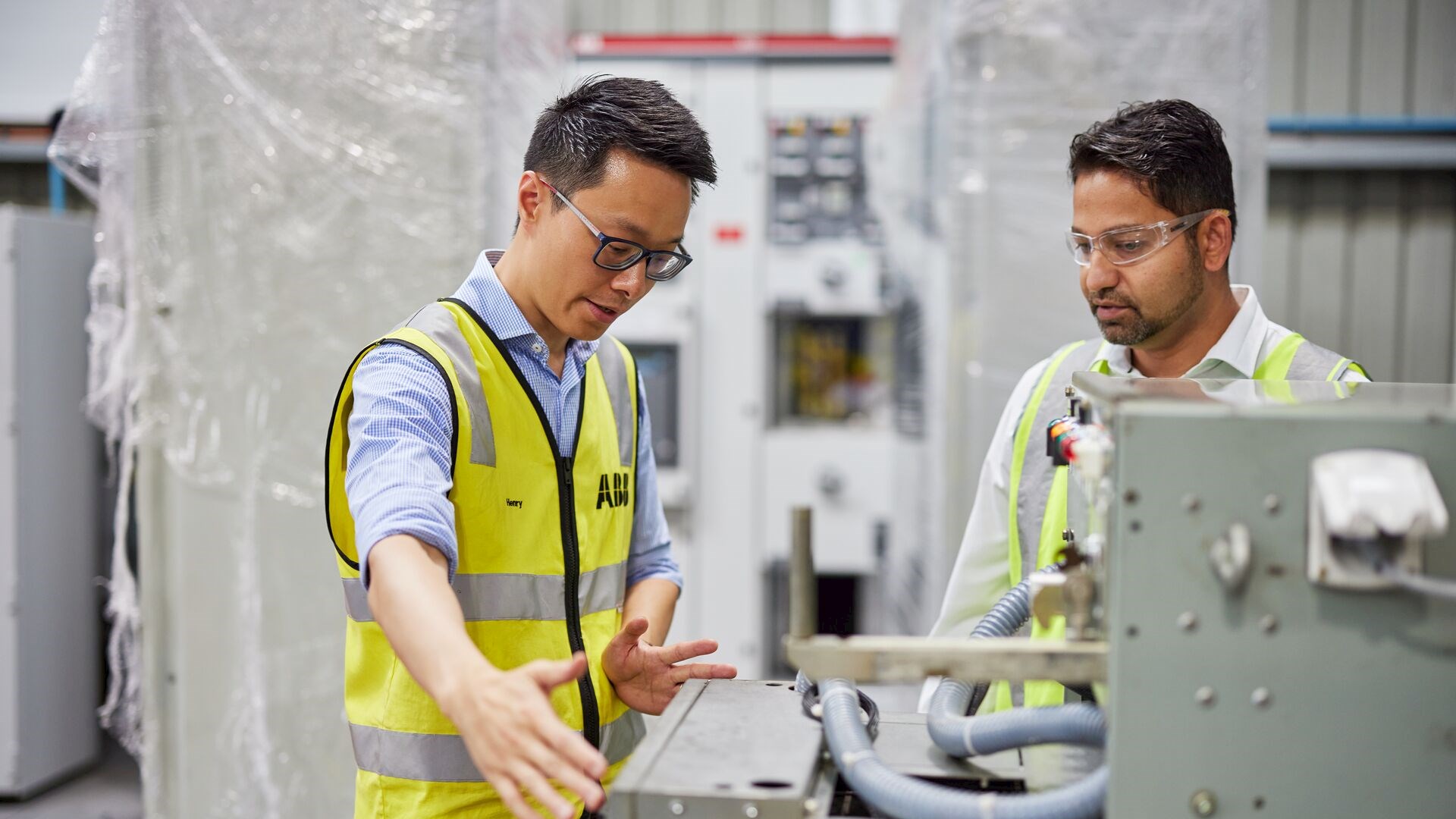
Andrea Estrada-Hein, VP Business Line Switchgear, ABB Distribution Solutions
A switchgear panel may be designed and tested during a defined development program, but the consequences of those decisions will be encountered many times over. The equipment has to be installed and connected, then inspected, operated and maintained throughout a working life measured in decades. A handle, inspection window or cable access that appears to be a minor detail during design can shape the experience of many repeated tasks.
These practical considerations deserve greater attention as the grid expands. The International Energy Agency estimates that meeting national energy and climate goals will require more than 80 million kilometers of grids to be added or refurbished by 2040, equivalent to the entire existing global network. Investment, equipment supply and planning reform will determine how quickly that infrastructure can be delivered, but every new or modernized asset will still depend on people with the skills to install and support it.
Those people rarely work in ideal conditions. For example, secondary substations may have fixed room dimensions, established cable routes and little scope to alter the surrounding infrastructure. Maintenance should fit within controlled outage periods, while inspections must give technicians the information they need without creating uncertainty. Working space, posture, visibility and the sequence of a task therefore belong in the design conversation alongside the electrical and mechanical requirements.
From a design perspective, each detail can create an impact greater than the sum of its parts. An additional fastening may add little to one connection, yet the same action can be repeated across many panels. Similarly, poor access can turn a straightforward cable connection into a slower and more difficult piece of work. None of these examples change the fundamental purpose of switchgear, although each can influence how readily the equipment is installed and maintained.
A switchgear panel may be designed and tested during a defined development program, but the consequences of those decisions will be encountered many times over.
Ultimately, product designers cannot understand every variation of site from drawings and technical requirements alone. Field teams encounter the relationship between equipment, building and working methods directly, which makes their experience a valuable form of engineering evidence. The strongest feedback is usually specific: it identifies a repeated task, explains the constraint around it and gives engineers a problem that can be tested against the wider product architecture.
In practice
ABB used this approach while developing UniSec Air, consulting approximately 100 customers, installers and end users with the direct involvement of R&D. The conversations identified recurring friction around panel connection, inspection visibility, maintenance access and the working positions available when handling medium voltage cables.
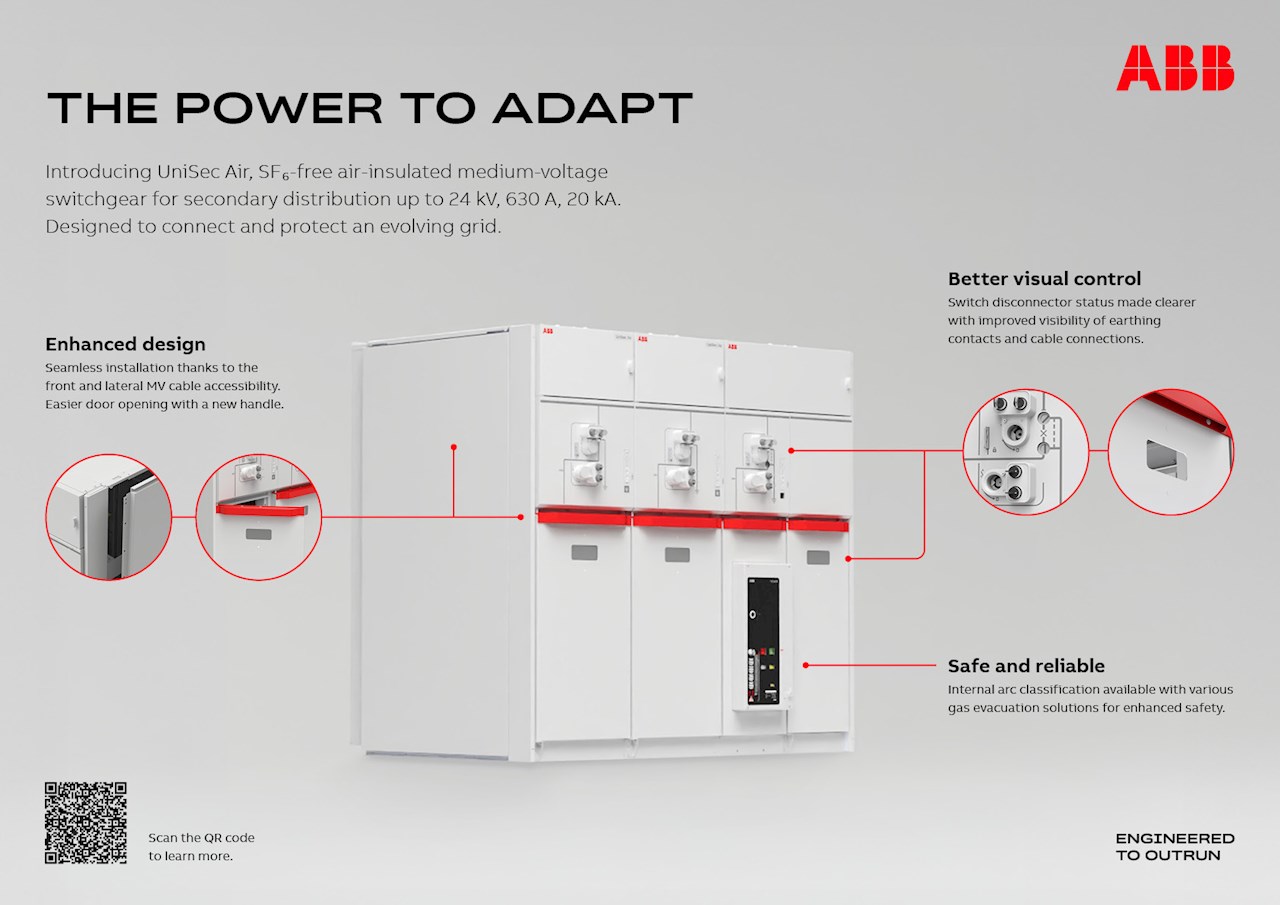
Several design changes followed. The panel architecture coming with frontal and the newly added lateral cable access gives installers more flexibility when working with existing cable routes. A larger inspection window improves visibility during verification, a redesigned cable-door handle supports easier opening, and repositioned anti-condensation heating elements provide a more workable maintenance environment.
These adjustments were made within a platform designed to retain the footprint, operating principles and backward compatibility of the established UniSec system. Utilities and other operators often modernize networks in stages, extending existing installations while keeping the surrounding infrastructure in service, so familiarity can limit the additional engineering and retraining created by new equipment.
It should still be combined with genuine improvements where field experience identifies a need. Clearer and more accessible equipment also help utilities make better use of skilled field time. It cannot compensate for an undersupplied workforce, and it never removes the need for qualified personnel, proper training or site-specific safety procedures. It can, however, reduce avoidable complexity and give experienced employees a better environment in which to transfer knowledge and apply established practice.
Headline decisions about investment, regulation and network architecture will shape future grid capacity, as will the accumulated effect of ordinary engineering decisions on the people working inside substations. Equipment built to serve for decades should be designed around the realities of long-term use.


