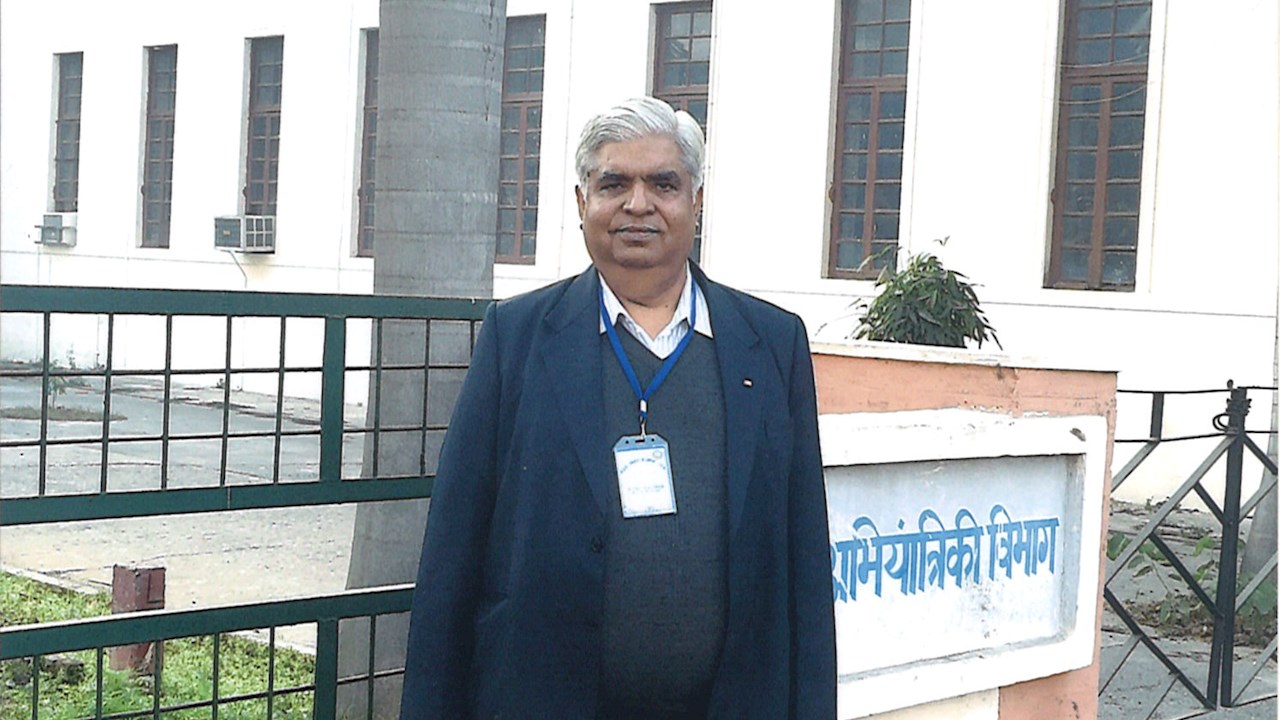
Pitamber Shivnani is an alumnus of Indian Institute of Technology Roorkee (IITR) and the President of Power Grids division of ABB India. In an interview with him, he traces his journey with anecdotes from his early years as a student of the distinguished institution to heading the Power Grids division of ABB India. He talks about how his days at IITR helped him grow and stresses on the need to keep working hard in an environment which expects the best out of everyone.
What is the one thing that you learnt in your college that has helped you in tackling your day to day challenges in life?
I studied Electrical Engineering in IIT Roorkee (Erstwhile University of Roorkee) and graduated in 1986. Apart from being taught by the most eminent faculty, I would say that being a part of extracurricular activities played a significant role in shaping me. Roorkee got me out of my comfort zone. I got to engage with some very smart and driven people and it helped me redefine my beliefs and shape my thoughts. Even though I was a student with average grades in school, I made it a point to work hard and secure a scholarship during my college years. I was an active participant in the Himalayan Explorers Club and went on several treks during my time at college. The treks made me push myself beyond limits and tested my spirits during difficult times. Despite the harsh times, I never gave up. This attitude molded me into becoming the person I am today. My hard-working attitude has rewarded me with a fulfilling professional career.
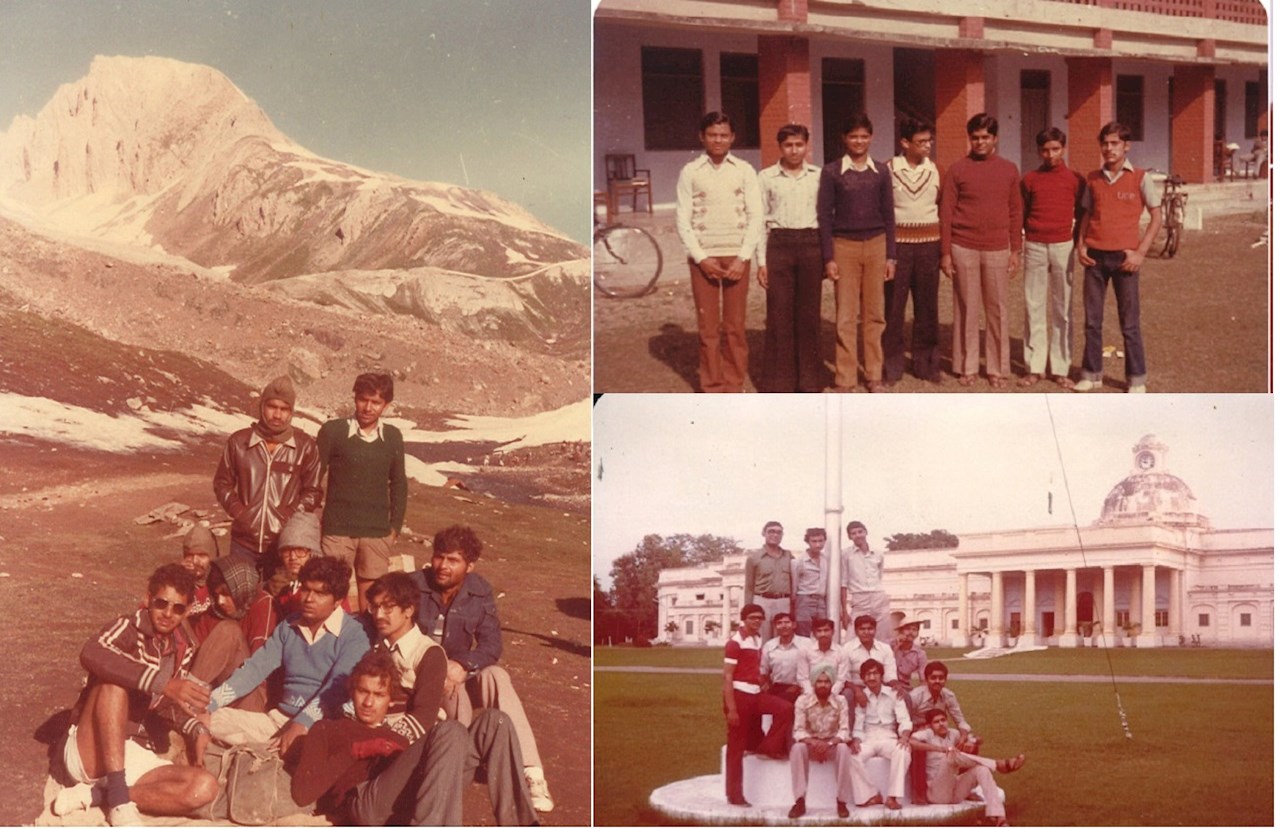
On your journey from IITR to heading the Power Grids division of ABB India - how did your experience at IITR shape your illustrious and distinct career?
My family runs a cloth business, but I have always received constant support from my parents to pursue my interest in the service sector.
When I graduated in 1986, there were no dearth of jobs for me as I consistently worked hard to perform well in the exams. I had two job offers and worked as a Marketing Engineer at Batliboi Limited Delhi before I moved to ABB India (HBB India) in September 1987. I started my career at ABB India as a Marketing Engineer and was promoted and handed various other roles in my tenure including that of Senior Marketing Engineer, Resident Engineer, Branch Manager and Head of Sales & Marketing, Supply Management and Production Planning Manager in Transformers in Vadodara. My contribution and efforts were recognized, and I was acknowledged with the ‘Best LBU Manager’ award in ABB India for the years 2006 and 2008. I was recognized for my outstanding contributions as Local Business Unit Manager Transformers India for 2009 by Global CEO Award at Global Executive Form in 2010.
I was appointed President for Power Products Division in June 2010 and continued till December 2015. Subsequently when Power Products and Power System Division merged on 1st January 2016 and Power Grids Division was formed, I was appointed the President for Power Grids division in 2016. Throughout my career, thanks to my upbringing, my grooming and mentoring at Roorkee and ABB, I feel honored to say that every decision I have taken has contributed to adding further value to the company.
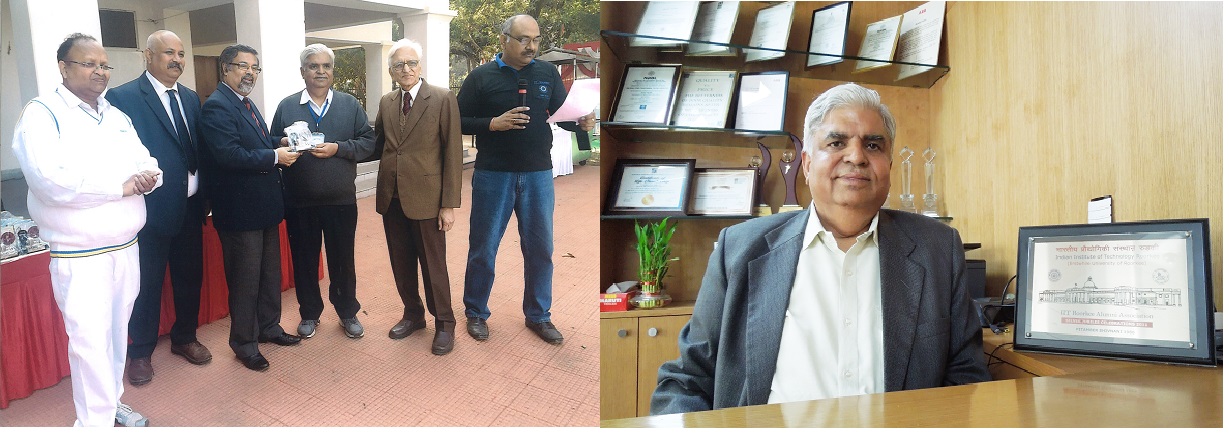
Could you tell us about how even during your time, IITR was a pioneer in adoption of futuristic technologies and how that has inspired you?
IITR is among the primary institutes of national importance in higher technological education and applied research. Since its formation, the institute has fostered an environment that encourages students to delve into research. Back in 1986, they started a microprocessor and a separate design center that assisted the students to get exposed to the evolving technology. IITR has also been doing ground-breaking work in recent years to make the campus eco-friendly using renewable sources of energy such as solar, wind and biomass for power generation and operation. The institute has always centered its major campus development projects around sustainability. I was brought to notice that the hot water supplied to all the hostels and residences in the campus were harnessed from solar energy.
ABB has signed an MoU with IIT Roorkee to set up a smart grid and implement intelligent automation for managing power distribution. Can you explain the vision behind this project, and its scalability?
ABB India Limited has signed a memorandum of understanding with the Indian Institute of Technology Roorkee (IITR) for technical cooperation to construct an operational smart electricity distribution network and management system (SDNMS) in its campus. This project will serve as a pilot project for the Government of India’s Smart Cities Mission. The agreement includes a joint R&D facility on campus, supported by ABB that will help nurture talent through ABB-sponsored scholarships.
India being the third largest consumer of electricity is continuously working towards making the energy infrastructure sustainable and a smart distribution system is believed to significantly reduce India’s carbon footprint.
One of the professors even told me how this agreement with ABB would aid the campus in achieving 100 percent green campus and zero carbon dioxide emission in the long run.
ABB’s equipment, such as the ring main unit upgrade, Supervisory Control and Data Acquisition (SCADA) systems, microgrids and energy management systems have been installed to automate and remotely monitor, control and measure the campus grid. The integrated system will offer more power resilience, lower costs due to reduced dependency on electricity sourced from the government utility and diesel generators.
How do you see the change in technology and consumer needs over the last decade? What is the future of smart grids technology in India?
Technology as we know it, has evolved at an interesting stride over the last decade making our chores easier by the day. The government's complementary initiatives of Power for All, Make in India and Skill India have established a framework for sustainable growth.
To cater to the demand for power, India needs to invest in building a modern, intelligent grid. Smart grid would evolve the existing system into one that would be better suited for energy conservation and higher reliability in our country. This will aid in providing uninterrupted electricity to consumers across India to a large extent, even in remote locations, while eliminating wastage of power units. Without a smart grid, it will be hard for India to keep pace with the growing needs of its keystone industries.
Have stories from your engineering days that you’d like to share? Feel free to use the comments section below.


