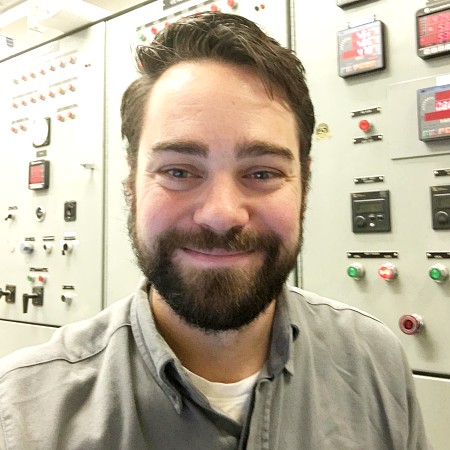
“My work as an application engineer allows me to deploy creative solutions to enduring problems, pushing the envelope of renewable energy integration in a wide range of locations, including small indigenous communities in Alaska to islands in the Caribbean Sea.
As with any emerging technology, the work is hard, the days on-site are long, and there aren't always clear answers. But after five years on the job, I am still excited by the silence that follows as the last diesel engine shuts down – the moment when we’re able to transition a power system that has been running on costly diesel generators for decades into 100% renewable operation.
Our team is focused on delivering successful projects that solve our customer’s problems. Being able to hand over a system to a happy customer makes all our efforts worthwhile.
Remote locations around the world have struggled to seamlessly integrate renewable energy into the power systems that run their everyday lives. In these remote systems, integrating intermittent resources is especially challenging because there’s no upstream utility grid to balance energy production when a cloud goes over your solar panels or there’s a lull in the wind.
Fortunately, Microgrid technology is at the forefront of innovation in the energy sector, making wind and solar energy alternatives an attainable goal for remote communities, utilities, and business operations. By using innovative energy storage and intelligent control systems, we’re able to dramatically mitigate the inevitable fluctuations of the energy that comes from wind and solar power, creating consistent and stable power generation, which in turn empowers local communities to utilize more renewables, reduce their emissions, and lessen their dependence on oil.
The most exciting thing about teaming up with Hitachi is taking the products and approaches that we’ve developed to increase our reach.”


