“The lift takes three minutes both ways. In total, in the tourist season, it carries out as many as 300 cycles per day. It is a movement comparable to the most efficient mines, and we are still a mining plant, so drive and safety systems must meet the highest requirements,” explains Krzysztof Burski, Shift Foreman from the Electrical Maintenance Department in the Wieliczka Salt Mine.
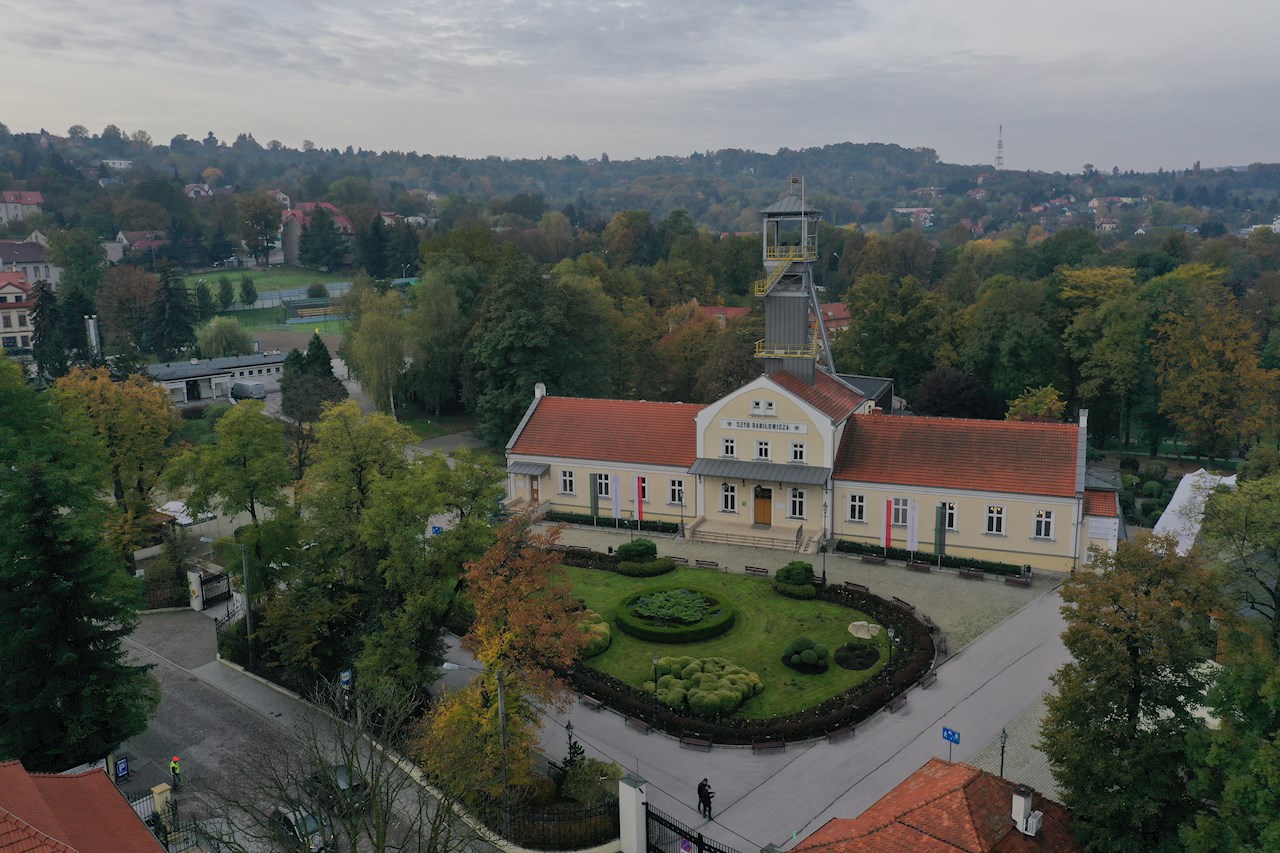
The Wieliczka Salt Mine 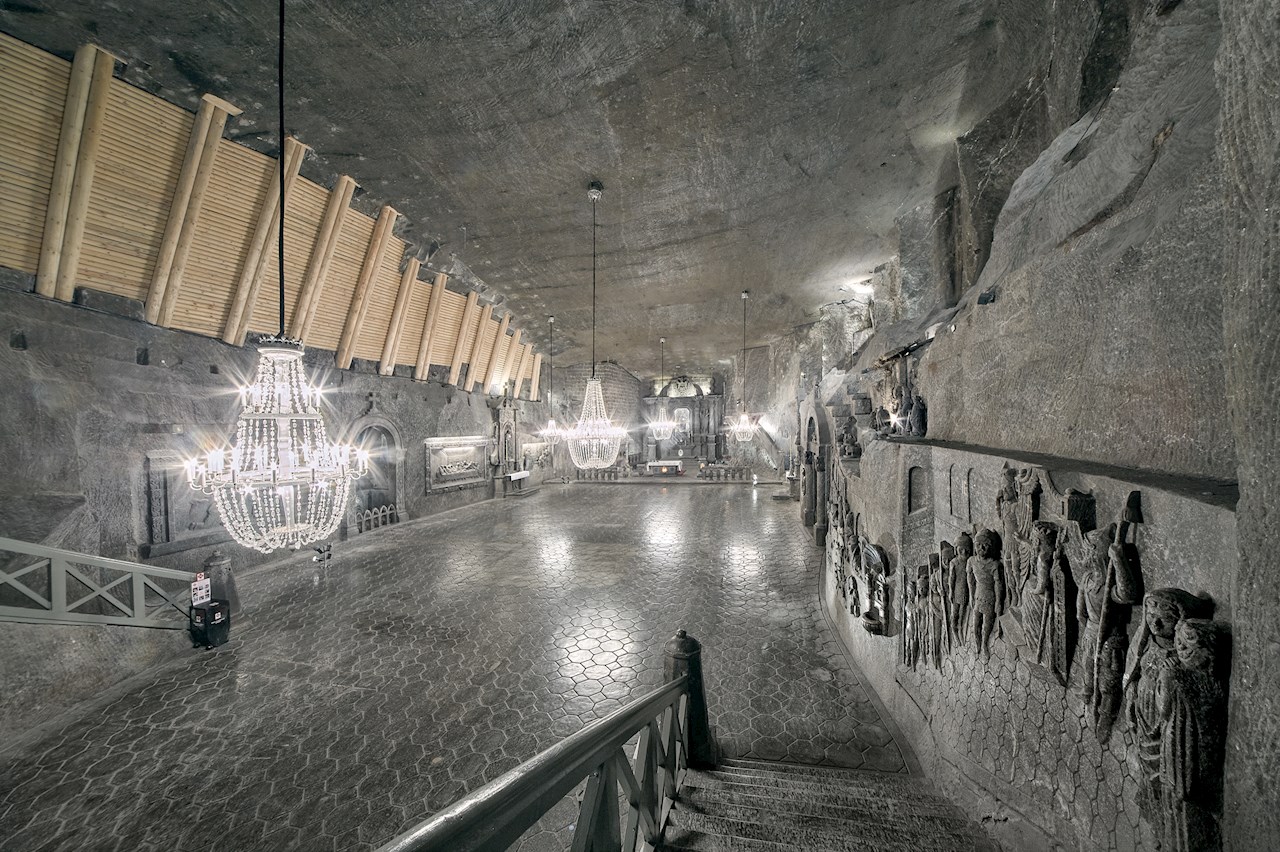

Weinmar Chamber 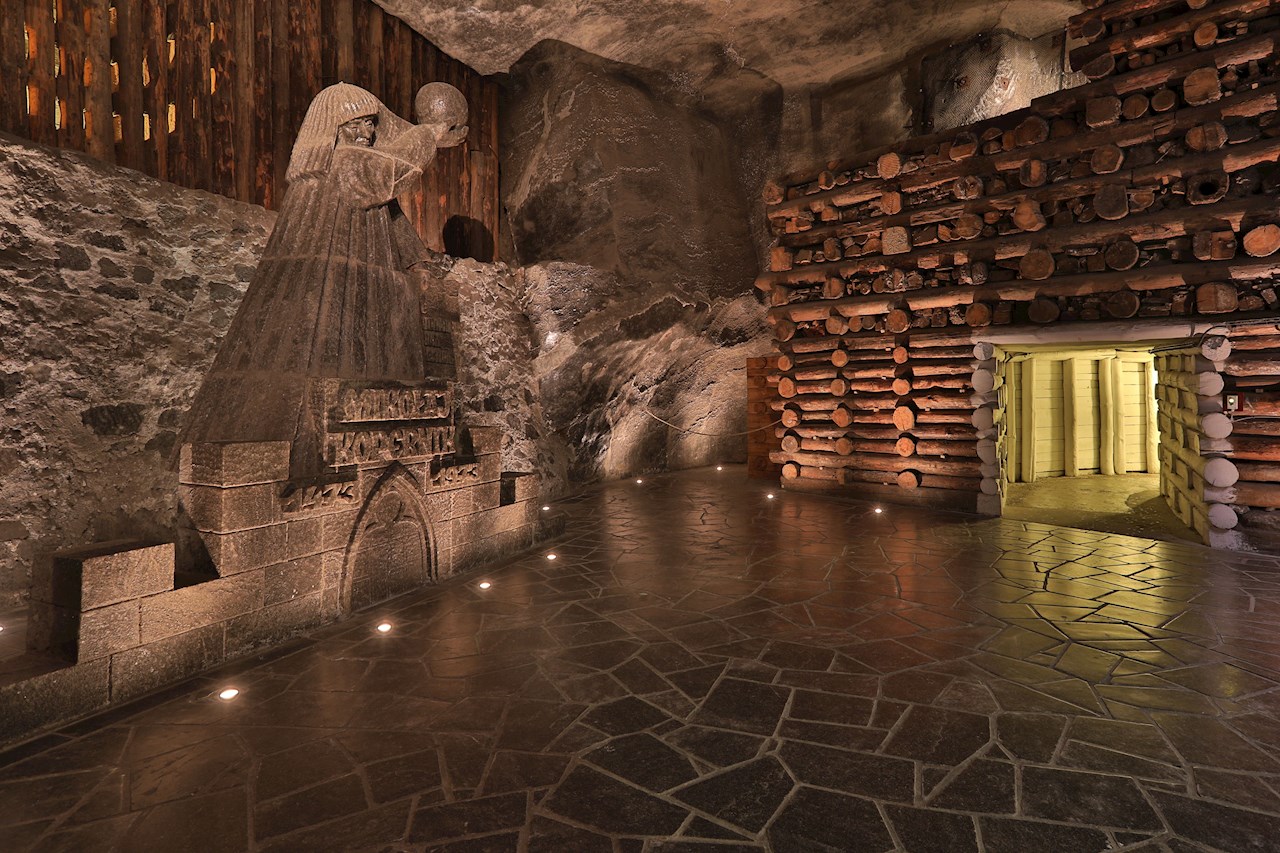
Tourist Route 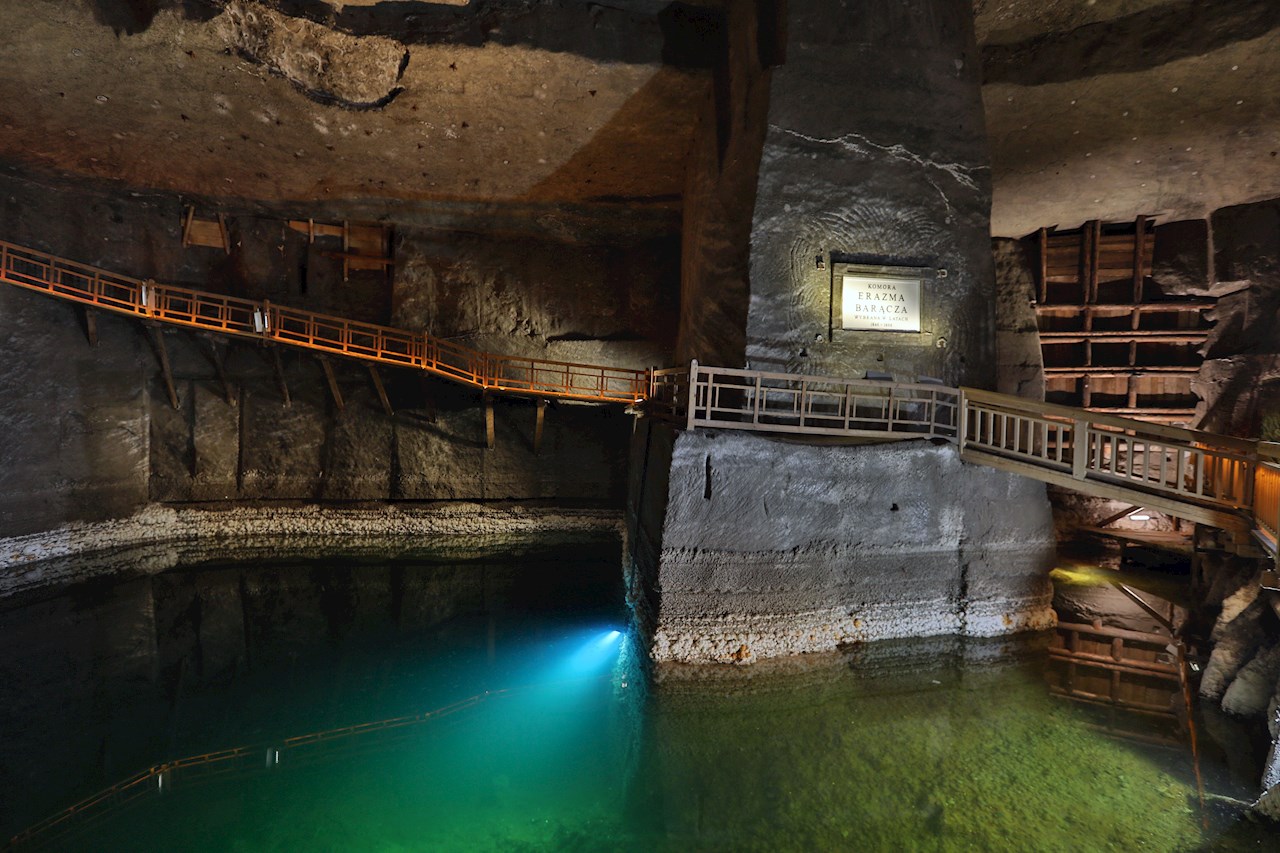
Chamber of Erazm Barącz
Enormous logistic challenge
In 2019, the salt mine located near Krakow was visited by more than 1.8 million people. This was another record year in the history of this facility. This means that nearly five thousand people went underground every day and, as Krzysztof Burski points out, there are holidays when twice as much tourists visit this site. It is a huge logistic challenge, but also, or perhaps above all, a technical challenge. Therefore, for many years the mine has been constantly upgrading its technical infrastructure to keep it at the highest level of safety, reliability and energy efficiency, so that any saved and earned money would contribute to further investments.
The protection works, investments and retrofits performed by the mine underground and on the surface allow for increasing the level of safety of the facility and people staying on its premises. And with the same idea in mind, i.e. to improve safety, a decision was made a few years ago to upgrade the drive systems for lifting machines in the Danilowicz and Kinga shafts. The works were carried out by MWM Elektro from Trzebinia, which specialises in such retrofits and has carried them out for many coal mines and copper ores.
“As far as the Wieliczka Mine and other active mines are concerned, there is no difference in the safety of the operation of lifting machinery, since all mining plants are subject to the same restrictions,” says Jarosław Długaj, Technical Director of MWM Elektro. “Whereas at Wieliczka, there is no longer mining work carried out and vertical transport is used to carry tourists, additional requirements are imposed on the equipment, related mainly to the riding comfort and reliability guarantee.
Of course, the discontinuation of production does not mean that the mines are no longer working underground. Quite the contrary. Several hundred miners daily ensure that the mine is a safe place and survives in the best possible condition for future generations. Miners protect historical areas, fill the so-called post-operational voids in its non-historical parts, and secure freshwater leakages. New tourist attractions are still in the course of preparations: historical chambers, corridors and shafts are subject to restoration and retrofits.
Unnoticeable braking
As part of upgrading the drives, the motors were replaced and ABB frequency converters were installed.
“A total of four squirrel cage induction motors supplied by the frequency converters were installed,” says Andrzej Olszenko of ABB. “Their application allows smooth motor control and significant energy savings. Furthermore, three of them ensure the possibility to return energy to the grid, while the fourth one, in the Danilowicz shaft, cooperates with the power generator, which in the event of a blackout allows to continue to operate and evacuate all of the mine.
Inverters ensure one more process, mentioned earlier by Jarosław Długaj: they make the lift ride very smooth, so that acceleration and braking is practically unnoticeable by guests. Before, when the machine was powered by resistance, the motor was controlled via a mechanical keyboard and contact system; the rod deflection resulted in rapid acceleration and braking, which was felt in the lift as a slight jerking. And if the operator acted too rapidly, there was a clear jerking that could be sensed,” Krzysztof Burski admits. “When riding the lift, such a situation does not occur with the inverter because it brakes smoothly to the speed of zero.
This is extremely important, especially for people with no experience with mining lifts. A similar function is the emergency power supply, which eliminates downtime even if there is a blackout. “If, for example, the lift is stopped, the staff working at the mine will remain calm, but tourists could feel uncomfortable,” Jarosław Długaj explains. “This is why, as a contractor, we always make every effort to ensure that the components that create the lift elements are manufactured by renowned companies, in this case it’s ABB. All devices should be designed in a way that, in the event of failure of any component, it is possible to quickly and safely switch over to the standby system.”
Highest safety level
ABB inverters were also placed into the ventilation system, which was retrofitted by MWM Elektro as well. The devices adapt the fan speed to the air demand at the bottom and although they are not too often adjusted, they save a lot of energy and can be controlled remotely by the head dispatcher of the mine. Moreover, as Andrzej Olszenko adds, the signalling system was also upgraded on the basis of ABB instrumentation.
“The Wieliczka Salt Mine expected the use of reliable components and the choice of ABB device and instruments arose from many years of our experience with this company. We started our cooperation in the 1990s from the use of thyristor converters in our projects. Today, to our customers, we supply frequency converters, logic controllers with central units, and even simple components such as ABB circuit breakers or relays,” says Jarosław Długaj. “We build and upgrade machines that must meet the highest safety standards, so the established contacts and professional relations among ABB employees bring benefits later on in the most complex and responsible projects, in the form of reliable support provided by the company’s technical staff.
| Wieliczka Salt Mine From the 13th century to 1772, together with the Bochnia Salt Mine, it formed a part of the Krakow pits. The stone salt deposit operated in the mine was created during the Miocene 13.5 million years ago. In 1976, the mine entered the national register of monuments. Two years later, it was recorded by UNESCO on the first World Heritage List. Since 1994, it has also been a monument of the history of Poland. On 30 June 1996, full operation of the deposit was discontinued. In 2007, the Wieliczka Salt Mine was recognised as one of the seven wonders of Poland in a competition organised by the Rzeczpospolita newspaper, obtaining the highest number of votes. For more than 700 years, 26 shafts were drilled in Wieliczka and more than 9 million m³ of post-operational voids were created. This translates into 9 levels, 245 km of corridors, the deepest of which is 327 m. Tourists have access to a route with the length of 3.5 km, which in the deepest place reaches 135 m. |
|---|
author: Sławomir Dolecki, photos owned by: Wieliczka Salt Mine, photo: Ryszard Tatomir, Rafał Stachurski


