
The Hyderabad race is a through-the-streets demonstration that zero-carbon mobility and breathtaking performance are fully compatible.
The ABB FIA Formula E World Championship stretches its global footprint to South Asia on February 11, when the season’s fourth round goes green in Hyderabad, India. The race, contested on the 2.8-kilometer (1.7 miles) Hyderabad Street Circuit, marks the return of World Championship-level international motorsports to the country for the first time in a decade.
Bringing Formula E to India – the world’s fourth-largest vehicle producer and a country committed to the transition of its vehicle fleets to electric power – puts the series in front of an enormous, devoted fan base. Of equal importance, the Hyderabad location presents myriad opportunities for Formula E to showcase the societal advances possible when e-mobility is widely adopted.
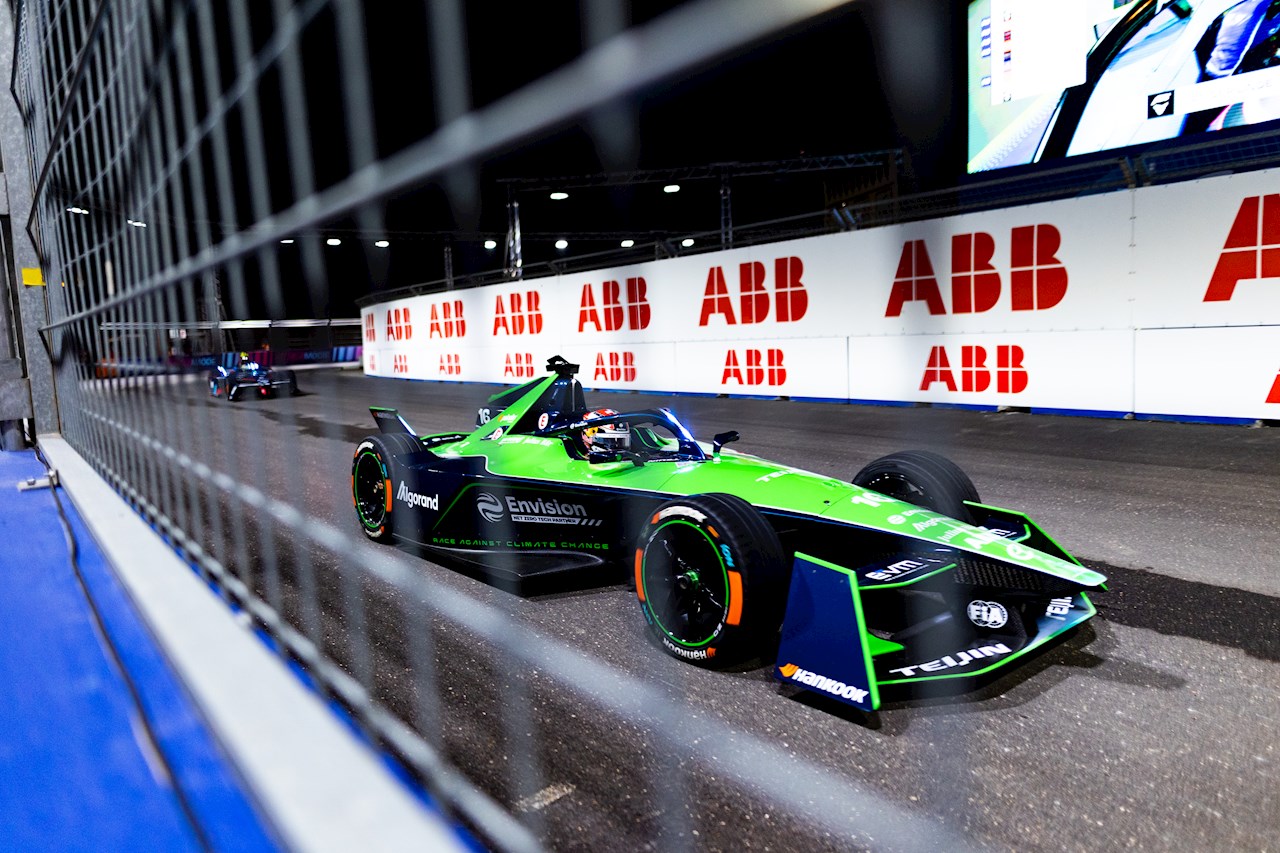
With zero exhaust emissions produced by the racecars, the fully electric series delivers a graphic counterpoint to the diesel buses and trucks that foul the air in one of India’s most polluted cities. It’s an issue of particular relevance to Lucas di Grassi, an ABB Ambassador and one of Formula E’s most consistent winners, who also serves as a UN Climate Ambassador. Di Grassi’s efforts to spread the message that motorsports could be a path to improving lives is seen in his role as the voice behind “The Race for Clean Air,” a documentary produced by the UN and Formula E.
The same approach to promoting sustainability is carried forward by Greenko, title partner of the E-Prix and one of India’s leading energy companies. It will supply power for the event entirely from renewable sources, in accordance with Formula E’s strategy for operating on a net zero carbon basis. The series has been cited as the Best Total Performer among global sports organizations in the 2022 Global Sustainability Benchmark in Sports annual report.
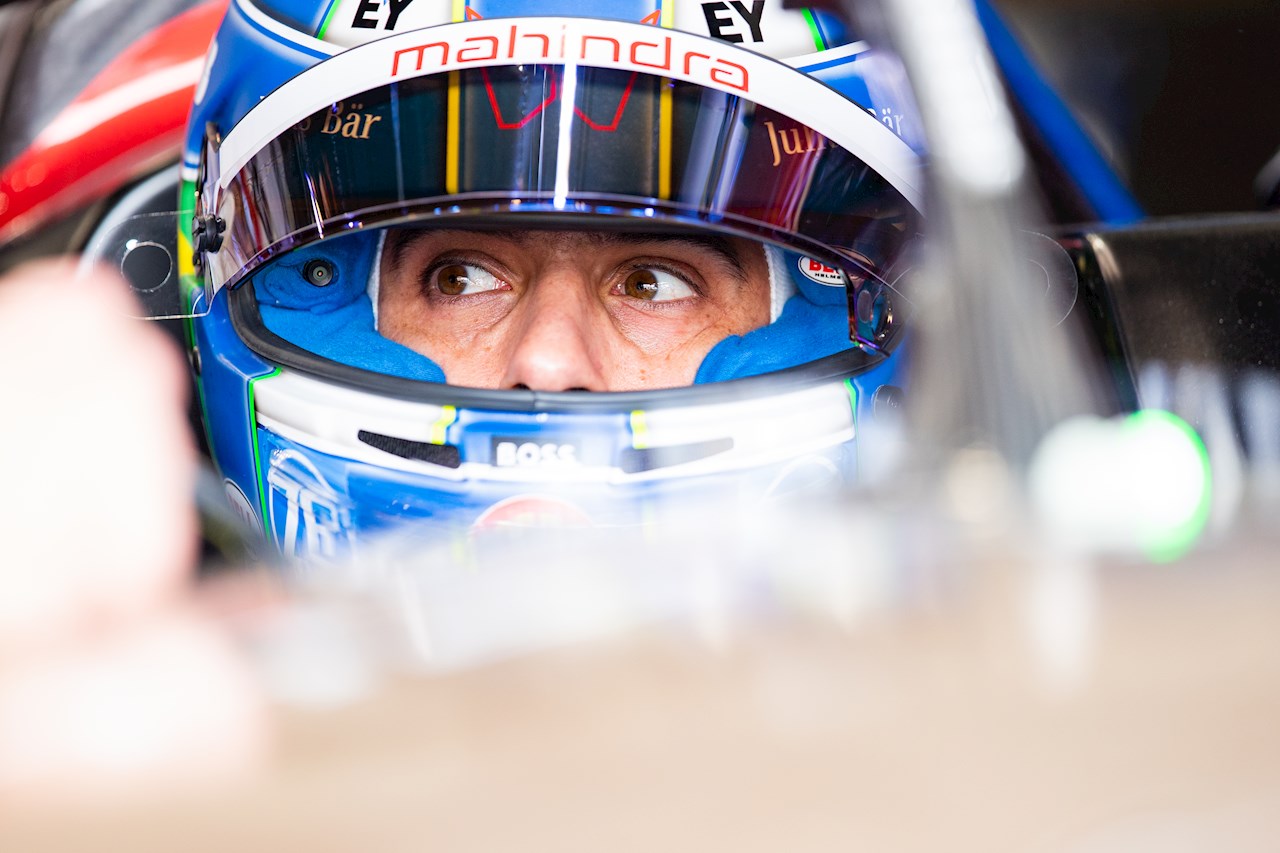
The Hyderabad round holds multiple levels of importance for di Grassi. Driving in Season 9 for Mahindra Racing, di Grassi is naturally eager to make a strong showing in the team’s home country. It is a considerable challenge: despite many hours of simulator time, none of the teams have practiced on the actual racecourse. And there is yet much to be learned about the more powerful Gen3 cars, along with mastering this year’s revised rules and enhanced mechanical equipment.
The Hyderabad course layout of 18 turns combines long straights with demanding technical sections, taking advantage of roads around the city’s Hussain Sagar Lake and NTR Gardens. The track design is poised to prolong the streak of dramatic overtaking seen in previous races this season, as well as to facilitate the energy regeneration under braking – now double the regen capacity of Gen2 – that provides 40 percent of the energy used during the race.
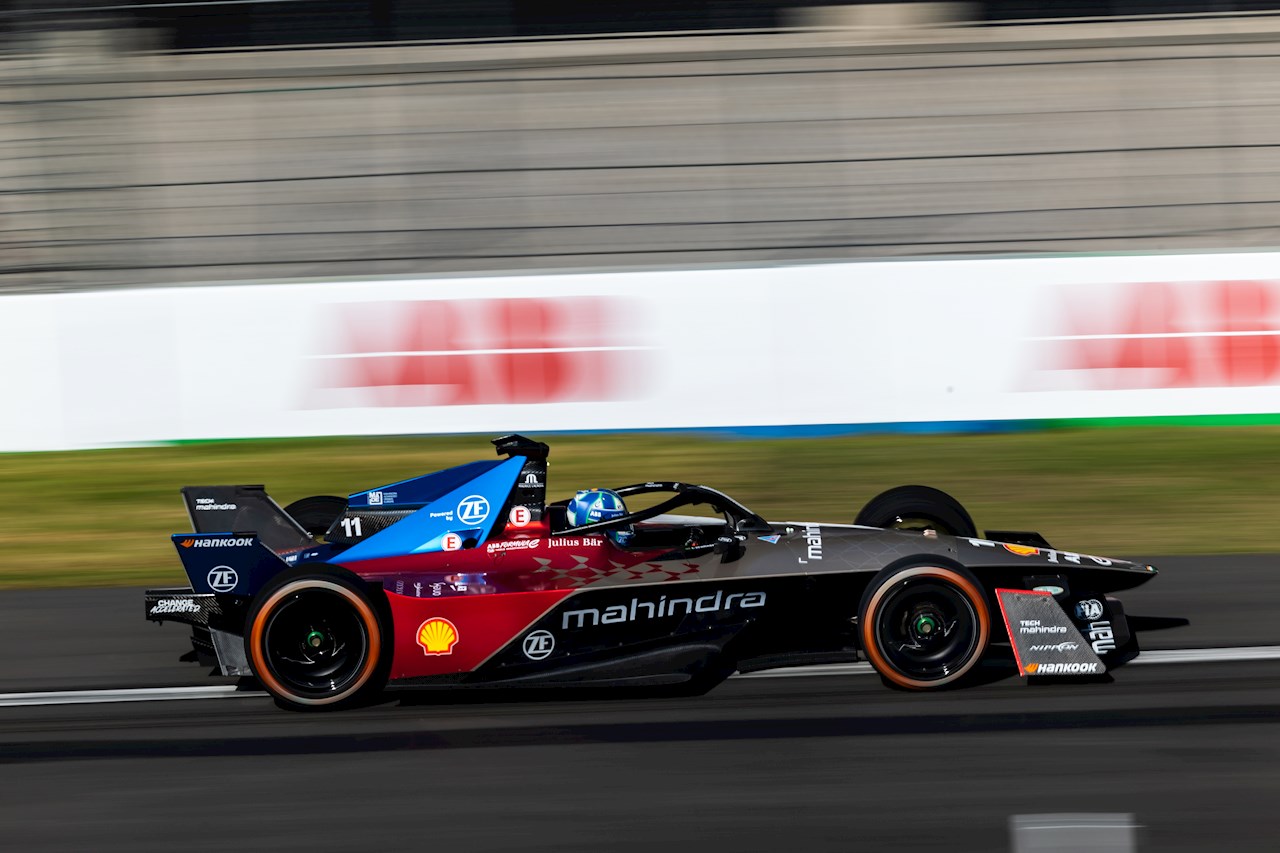
Not least among the unknowns for the new location is the prospect of extreme heat in Hyderabad, with daytime temperatures typically above 32 degrees Celsius (90 degrees Fahrenheit), which tests the limits of the batteries and the new front power units. Fortunately, the batteries of the Gen3 cars are more tolerant of heat than previous designs, di Grassi said: “The battery was always on the edge in the Gen2 cars,” he explained. “But the new chemistry allows higher temperatures. India is a high-speed track, so it will demand a lot of energy.”
Working out the optimum setup, that ideal balance of speed and energy management, tops the to-do list for the Mahindra team. “The car is very good in qualifying,” di Grassi said, noting that the Gen3 cars are far more sensitive to software adjustments. “But we’re not as efficient in the race. The goal is to be as fast as the leaders – and finish the race with zero left in the battery.”
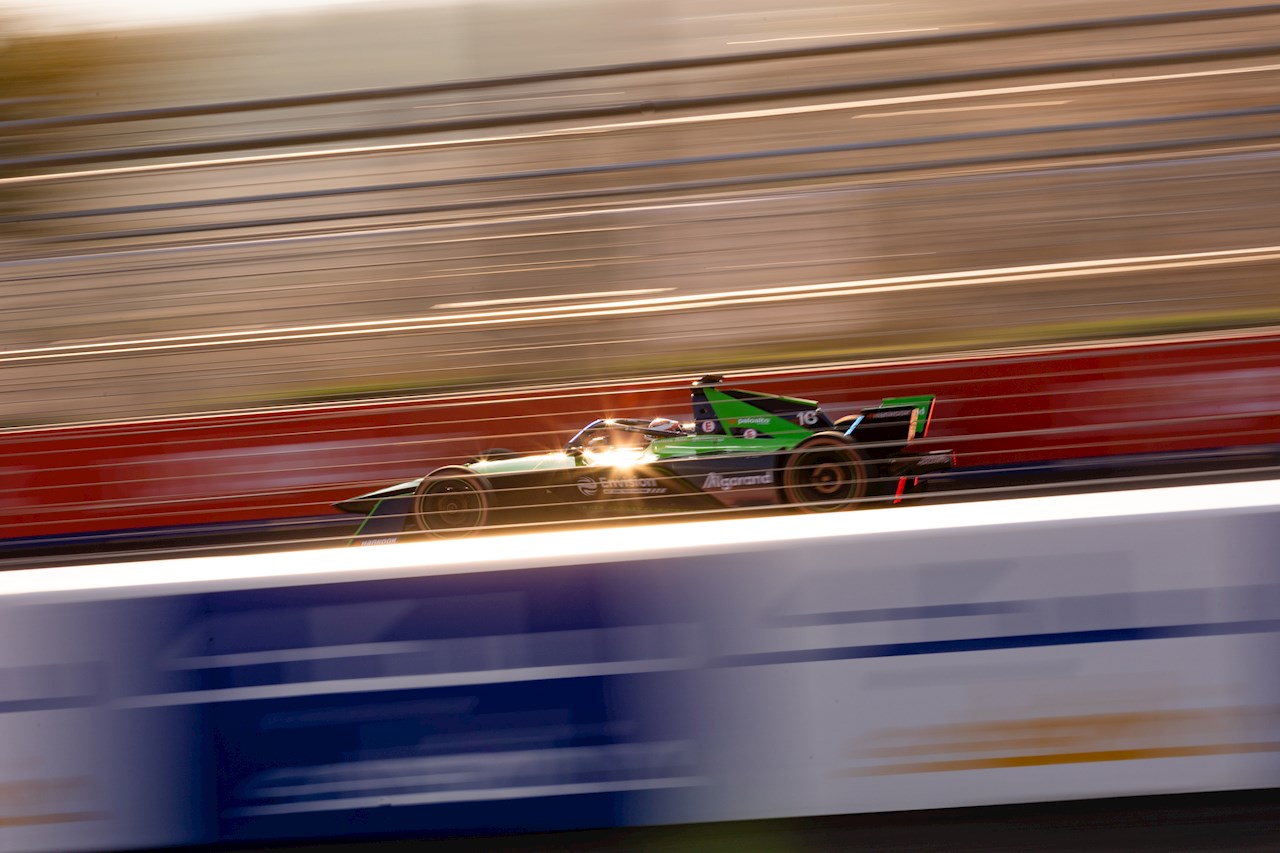
Keeping every team’s batteries in peak condition represents an expanded role for ABB in Season 9. Through the 16 rounds of the 2023 campaign, ABB serves as the official charging partner of Formula E, responsible for replenishing the batteries of all 22 cars prior to each practice and qualifying session and most important, ahead of every race.
To accomplish this, ABB developed new hardware that delivers DC fast charges with a compact unit that prioritizes reliable service, compact dimensions and light weight, all vital requirements for meeting the demands of the planet-straddling series. The mobile chargers, which deliver charging rates up to 160 kilowatts, can service two cars simultaneously, reducing the amount of support gear that must travel with the cars between races.
The support of ABB for sustainability projects across India is extensive, ranging from its role as a supplier of high-power motors for irrigation and domestic water pumps to applying its expertise in power management, automation, electrification and production monitoring across industries producing products as diverse as pharmaceuticals, cement, tires and paper. The growing availability of EVs in India, from domestic makers and import brands alike, has led to a surge in demand for ABB home chargers as well as DC fast chargers to be used at public stations and new car dealerships.
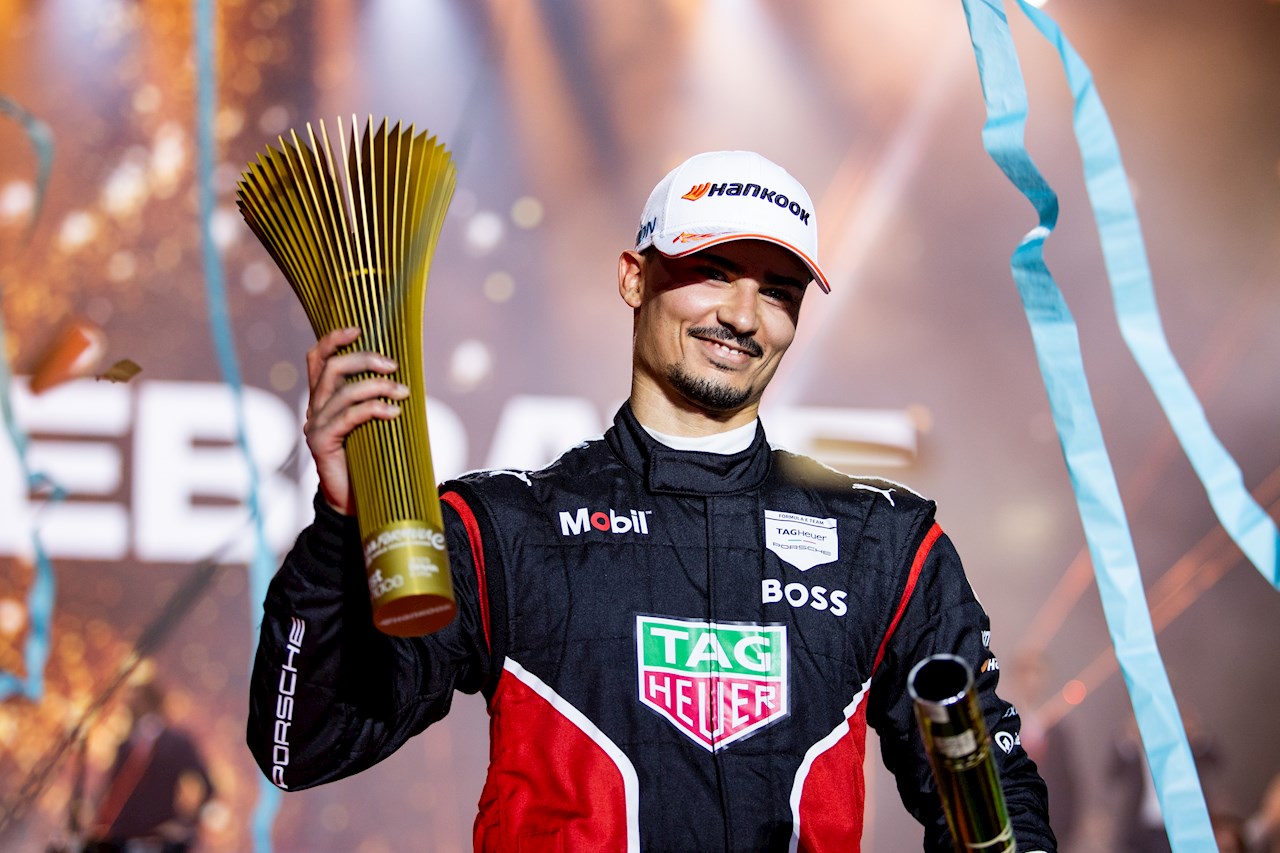
The teams arrive in India with Pascal Wehrlein of Porsche, an ABB partner in Formula E, leading the drivers’ points, the result of his winning both rounds in Diriyah, Saudi Arabia. Just six points behind is Jake Dennis of Avalanche Andretti, also a Porsche-powered team, winner of the season opener in Mexico City and runner up at the next two races, Sébastien Buemi, driving this year for Envision Racing, lies in third place.
Two weeks after the Hyderabad race, the drivers face off again in Cape Town, South Africa, another first-time visit for the series. Continuing the trend of new race locations, the sixth race of Season 9 takes place in Sao Paulo, Brazil before the campaign travels to Germany and Monaco for the next three rounds. The season concludes in London on July 30.


