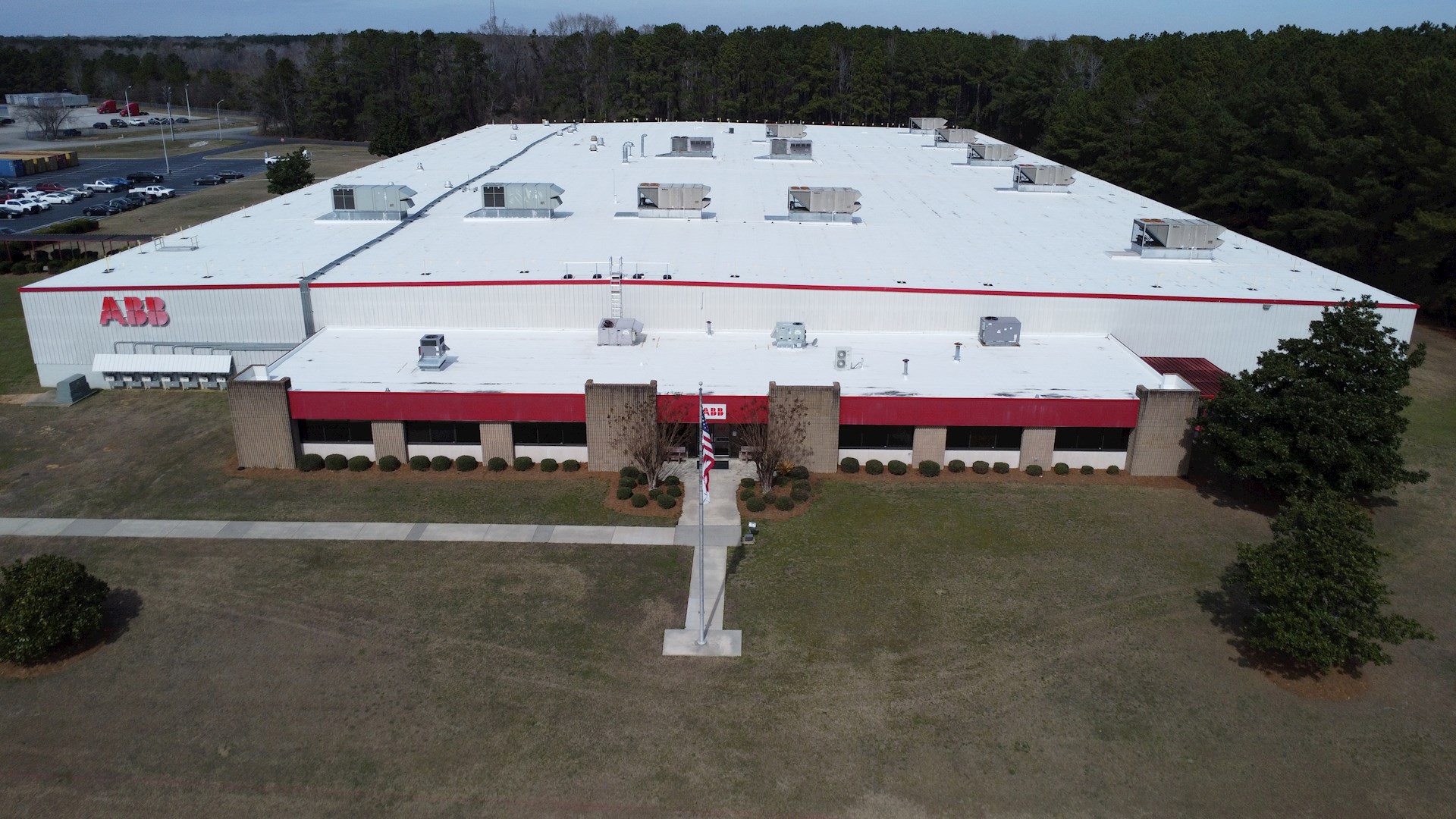
ABB’s Electrification Service factory in Florence, South Carolina, has officially achieved Mission to Zero™ status, joining a global network of ABB sites committed to net zero operations. Through renewable energy, electrification, digitalization and circularity initiatives, the Florence team has transformed its 142,000 sq ft facility into a high-performance blueprint for sustainable manufacturing. The accomplishment reflects years of investment, innovation and unwavering commitment to a more sustainable future.
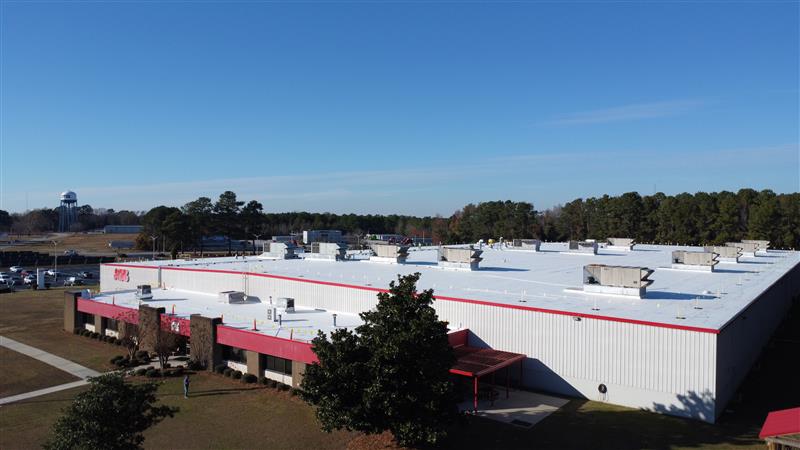
Through renewable energy, electrification, digitalization and circularity initiatives, the ABB Florence team has transformed its 142,000 sq ft facility into a high-performance blueprint for sustainable manufacturing. 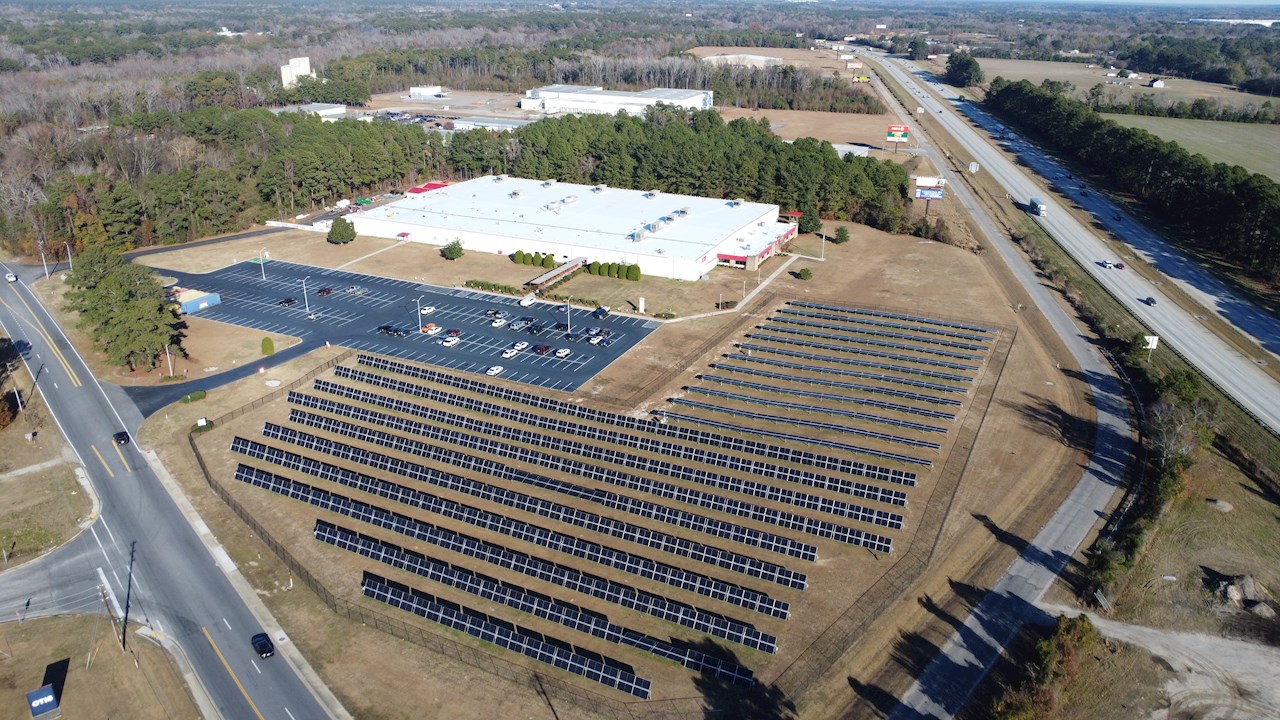
The 47-year-old facility now sources roughly 80% of its electricity from a three-acre solar array that generates approximately 1.5 million kWh of on-site renewable power annually. 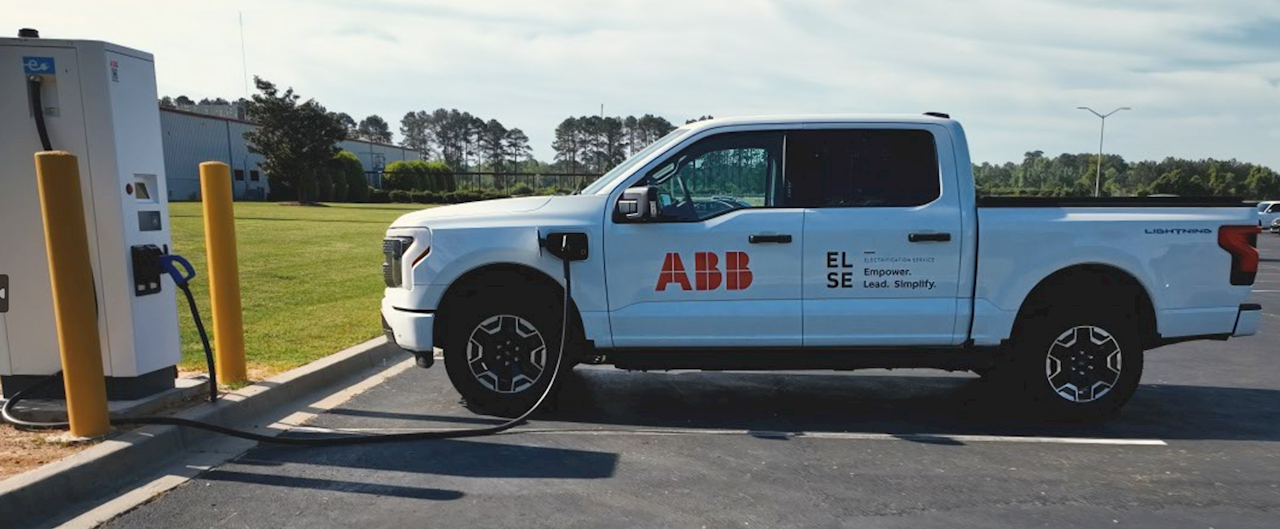
ABB Florence has electrified its fleet and the power generated from the solar field will enable free vehicle charging for employees and visitors.
We sat down with John Weihing, Manager of Manufacturing in Florence, and Mateusz Zajac, Sustainability Leader for ABB Electrification Service, to explore how the site reached this milestone and what it means for employees, customers and ABB’s broader sustainability journey.
Question: The Florence factory is now officially a Mission to Zero site. What does this milestone represent for ABB?
MZ: Mission to Zero is our path to net-zero emissions and cleaner operations. We're pairing technology, digital solutions and renewable energy with people who have a passion for sustainability to boost energy efficiency and cut emissions across our sites.
For a site to join Mission to Zero, it must use ABB technology coupled with partner solutions to reduce its greenhouse gas emissions by 15%, increase energy productivity by 15% or implement renewables to cover 15% of site needs, and chart a path to recycling all its waste. Florence did all of that and much more.
Since 2019, the site reduced emissions from roughly 262 tons to zero, and it’s now generating up to 1.5 million kWh of on‑site renewable power annually from its three‑acre solar array. That’s more than two football fields of solar producing power, enough to cover about 80% of the site’s annual energy needs.
JW: What makes me most proud is that we've proven you don't have to choose between environmental responsibility and business growth. Since 2019, we've increased our energy productivity by 74% while adding 10 product lines and growing revenues by 140%. We've literally decoupled our growth from energy consumption.
Question: What set Florence on this journey to become a Mission to Zero facility?
MZ: It started with our fundamental belief that energy efficiency drives operational efficiency. We saw an opportunity to reduce our environmental impact while simultaneously improving our bottom line. The business case was clear: every kilowatt hour we save is money we can reinvest in our operations and our people. What began as an energy audit evolved into a comprehensive transformation of how we operate.
Question: The solar installation has become a signature of the site’s transformation. How big of a role does it play?
MZ: The solar array is the foundation. The 840-kW system is one of the largest renewable energy assets in ABB’s Electrification Service footprint. It supplies the majority of Florence’s power, supports resilience and directly contributes to eliminating emissions.
JW: Its three-acre footprint is significant, and it doesn’t hurt that it’s right there on our front lawn and visible from the interstate. Beyond our ability to generate an abundance of renewable, green energy, it serves as a visible commitment to our community and our customers that we're serious about sustainability.
This year, the power generated from the solar field will also allow us to offer free vehicle charging to our employees and visitors. We are in the process of installing four EV charging stations. Excess power generated during the day will allow them to charge personal EVs at no cost.
Question: Beyond solar, what other energy efficiency measures have you implemented?
MZ: A cornerstone of Mission to Zero is data-driven decision making. Florence installed more than 20 real-time energy monitors using ABB Ability™ Nsight. The system gives the team visibility into energy intensive processes and enables immediate corrective action. After deploying the digital monitoring system, the team was able to identify immediate opportunities to reduce emissions like adjusting scheduling and load patterns for the building’s AC and turning off air compressors that were running over the weekend when the site was not operational.
JW: With the help of ABB Ability Nsight, we identified over $50,000 annually of energy saving opportunities related to turning off loads after hours.
We have also taken incremental steps such as converting the entire facility to high-efficiency LED lighting, electrifying our heating and cooling systems to eliminate natural gas use, and completing comprehensive roof repairs that will save another 500,000 kilowatt hours annually.
Question: What has been the financial impact?
JW: We expect to create annual savings of more than $70,000 from these initiatives. But the real value goes beyond direct cost savings. We're more resilient to energy price fluctuations, we're attracting talent who want to work for a company that shares their values and we're demonstrating to our customers that sustainable manufacturing is possible and profitable. It's a competitive advantage.
We talk to customers who have decades-old industrial facilities – just like we do in Florence – and we encourage them to modernize their electrical systems as a way to operate more efficiently, and what we’ve done here in Florence is similar. We are modernizing our site through incremental investments that are driving operational efficiency, energy resilience and profitability.
Question: How have employees responded to the transformation?
JW: Our teams take enormous pride in this site. Achieving Mission to Zero isn’t a top‑down project; it’s a culture shift powered by people. Operators help identify inefficiencies. Maintenance teams drive improvements. Employees share ideas for recycling and waste reduction. The sense of ownership is real, and it’s energizing.
MZ: More broadly, this is about creating a model for sustainable manufacturing that others can follow. We're proving that profitability and purpose aren't competing priorities; they're complementary. That's the future of manufacturing, and we're proud to be leading the way.
Question: What’s next for the Florence facility?
JW: We're currently diverting more than 90% of our waste from landfills, which puts us on a clear roadmap to achieve zero waste to landfill by the end of 2026. We've built on existing programs for cardboard recycling, single-stream recycling, and packaging reuse by partnering with waste management experts to accelerate our progress. We now divert all wood waste from landfills and have implemented a program to convert general waste into energy. We’re trying to create a circular approach where nothing goes to waste.
MZ: Digitalization has been key and we’ve now integrated ABB INTEGRA™ Supervisory Building Control, which will help automate HVAC, lighting, and other systems so we can continuously improve employee comfort, while saving energy.
Question: What advice would you give to other manufacturing facilities considering a similar journey?
MZ: Start with data. You can't improve what you don't measure. Conduct an energy audit, identify your biggest opportunities and build a business case. Sustainability initiatives don't require sacrificing profitability; in fact, they often enhance it.
Also, engage your team. Our success has been driven by employees at all levels who are committed to continuous improvement.
JW: I'd add that you don't have to do everything at once. We've been on this journey since 2019, making strategic investments year after year. Every step forward counts. The key is to start and to stay committed to the journey.


