Renewable energy integration is reshaping industrial economics. Forward-thinking industrial facilities are leveraging it to reduce operational costs, enhance energy independence, and achieve significant ROI. This adoption also addresses a critical global challenge as renewables are crucial for the energy transition and meeting climate goals.
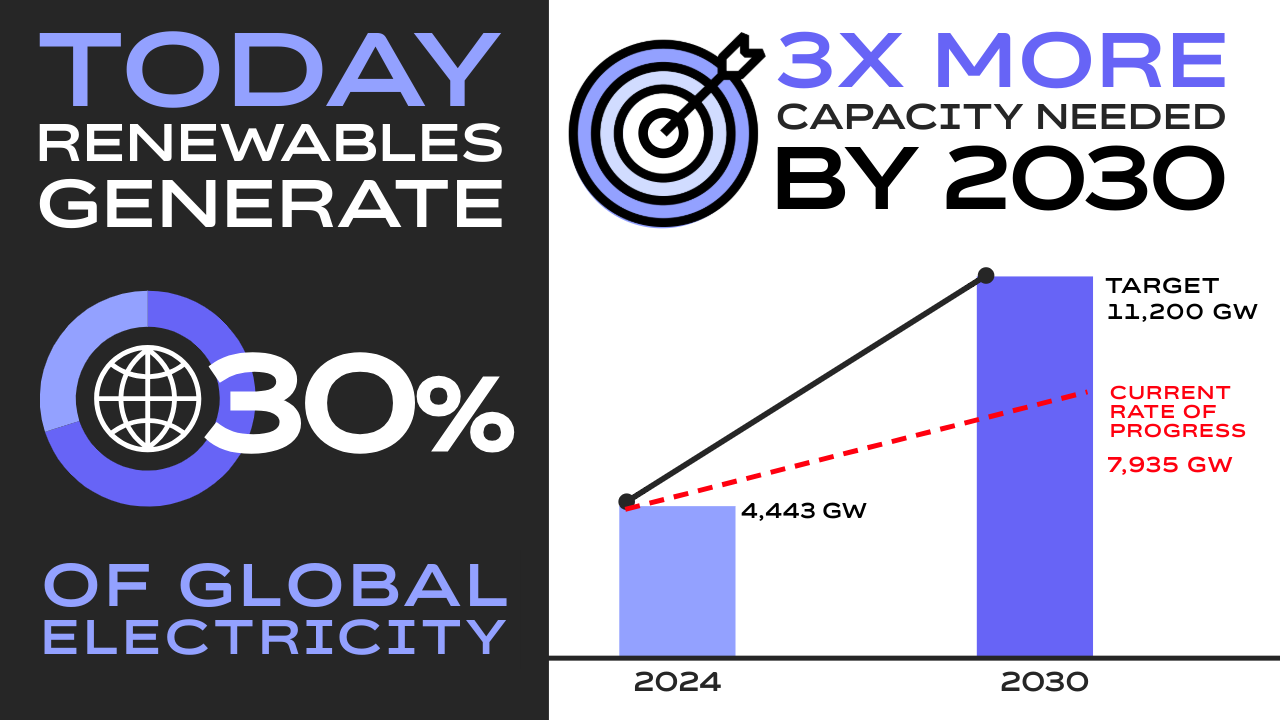
Today, renewables already generate around 30% of the world’s electricity (IEA), and that share needs to grow significantly to stay on track with net-zero goals. Research from International Renewable Energy Agency suggests global renewable capacity must triple by 2030 to meet climate targets. Yet the pace of adoption is still falling short. Despite a record 582 GW of new capacity added in 2024, the world needs to add nearly double that every year through 2030 to meet COP28 climate targets (IRENA, 2025).
Despite this urgency, the same doubts keep coming up.
This article debunks five critical myths preventing organizations from capturing these business and sustainability opportunities—with proven ABB solutions demonstrating rapid payback and operational resilience.
Myth 1: "Renewables can't be reliable at scale."
One of Finland's largest solar parks says they can.
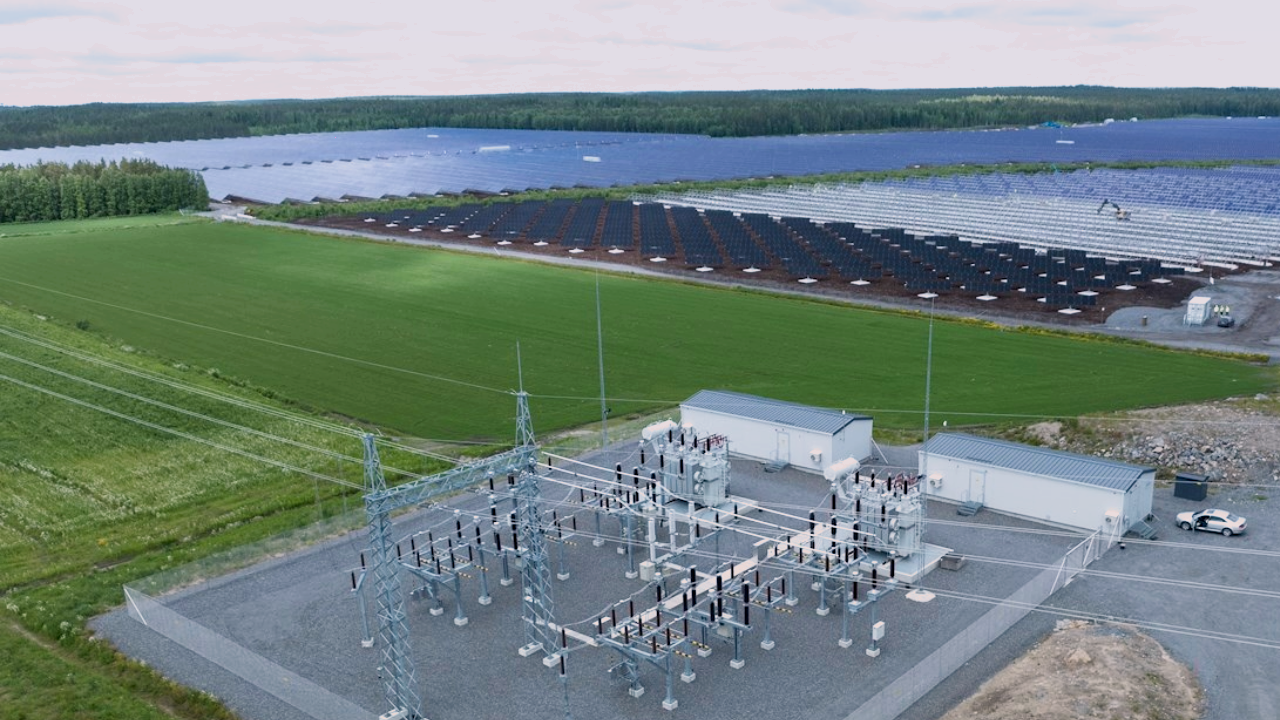
THE FACTS: EPV Energy turned a former peat production site into a powerhouse: the Heinineva solar park. With 123,000 solar panels, it is one of Finland's largest solar installations - generating industrial-scale renewable energy reliably and continuously. At its peak, it will produce enough electricity to power 20,000 EVs.
ABB designed a tailor-made solar park automation controller to manage all operations seamlessly. The controller communicates with inverters to regulate energy production and integrates with EPV's SCADA system for remote monitoring. It- even enables the facility to participate in the electricity reserve market. Supporting the site is a new substation equipped with advanced switchgear and protection relays that efficiently converts voltage levels and safely integrates solar power into the grid.
TAKEAWAY: Advanced automation makes large-scale solar parks reliable and grid-compatible at scale.
Myth 2: "You can't add renewables to existing facilities without disrupting operations."
A US factory shows it's possible - and achieves $70,000 in projected annual savings.
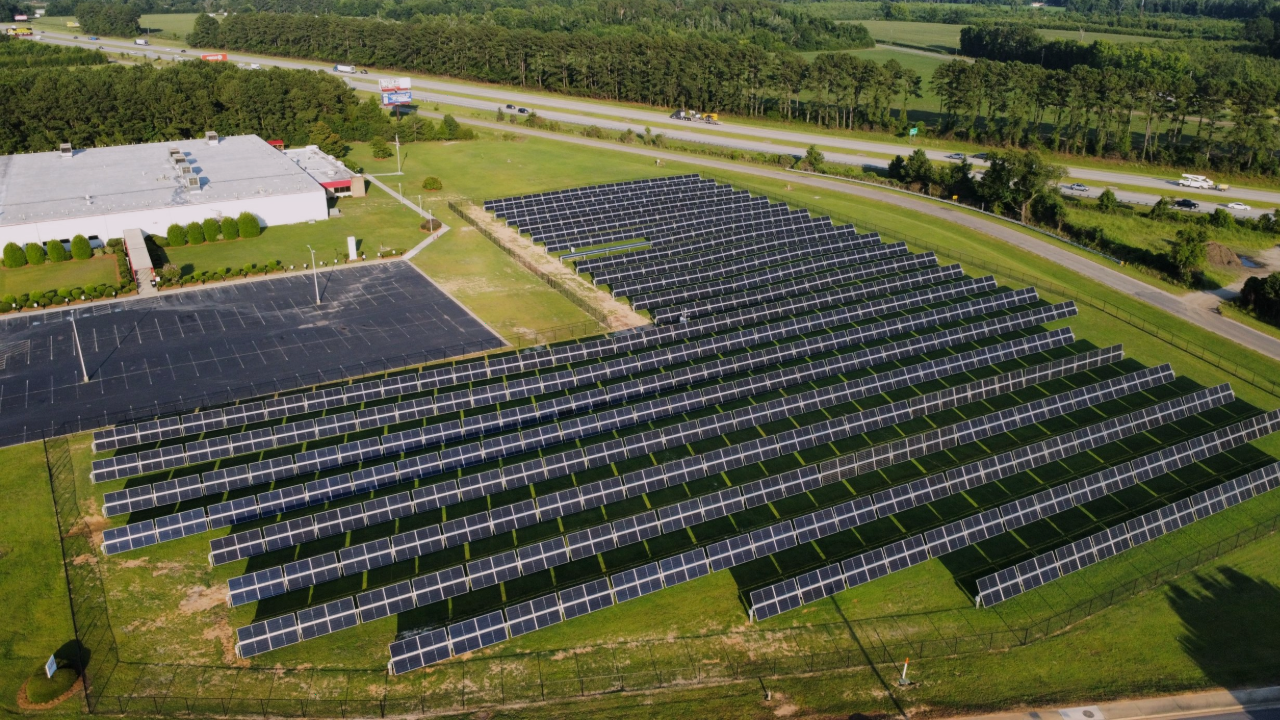
THE FACTS: ABB modernized its 47-year-old Electrification Service manufacturing facility in South Carolina to integrate renewable energy without interrupting production. A three-acre solar array was added that now generates approximately 1.5 million kWh of on-site renewable power annually - supplying roughly 80% of the facility's electricity demand.
The upgrade improved energy resilience and is expected to generate around $70,000 in annual savings.
TAKEAWAY: Retrofitting existing facilities can increase both energy-independence and business value – without disruption.
Myth 3: " Regulatory compliance makes renewable projects too complicated to be worth it.”
A solar park in Germany shows compliance and cost-efficiency can go hand in hand.
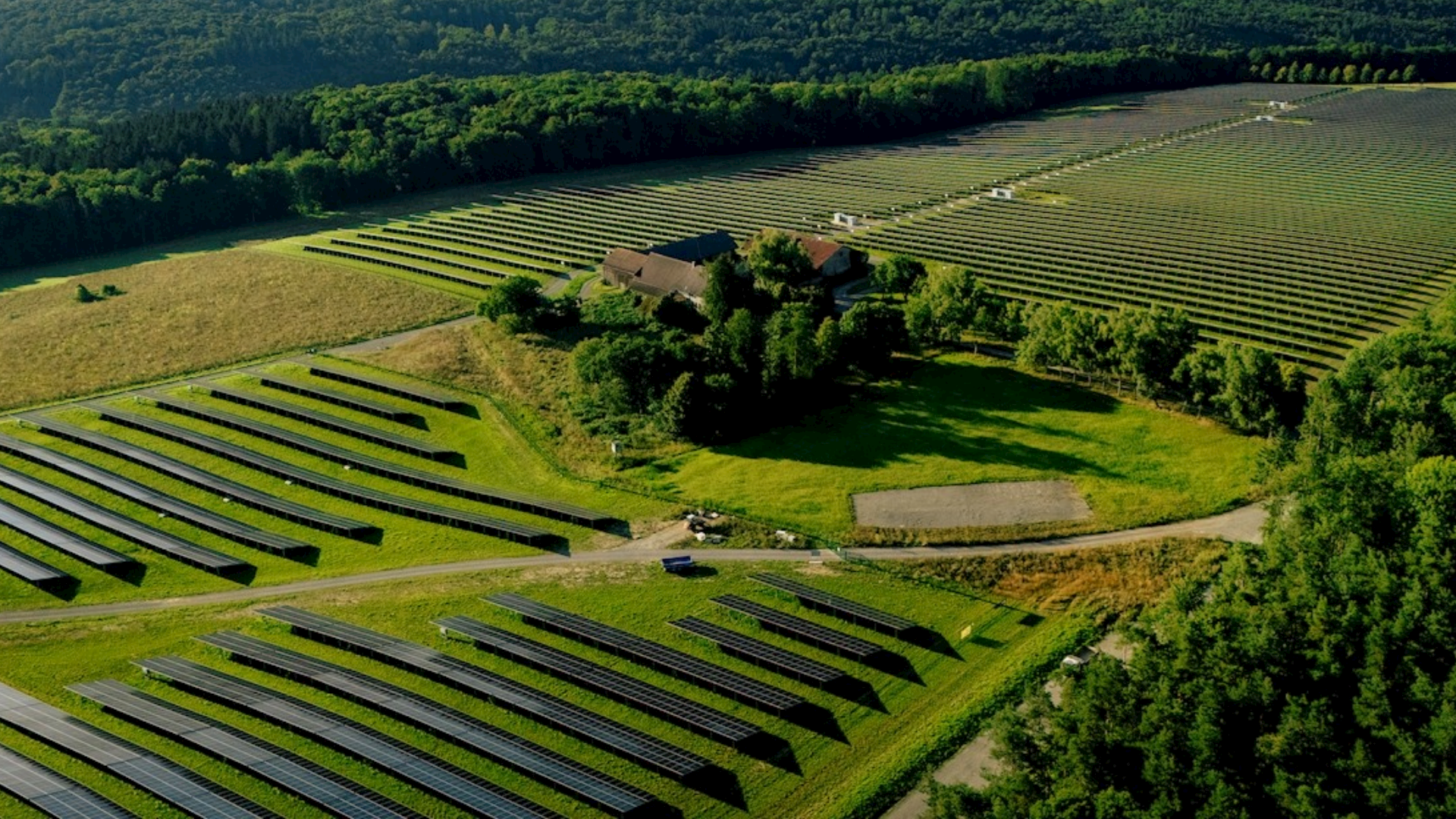
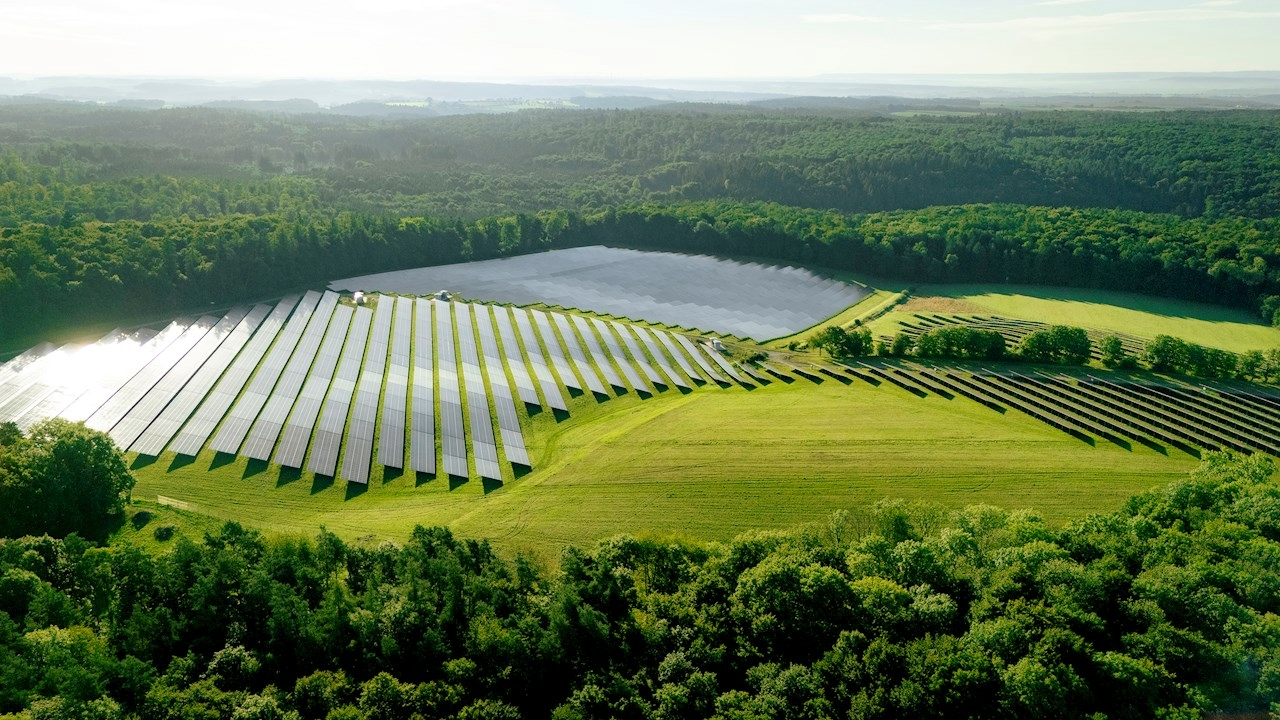
THE FACTS: Germany's renewable targets are among the most ambitious in Europe — but so are its regulatory requirements. For EnBW, connecting the Gundelsheim solar park to the grid meant delivering 7,000 kVA of output per station while meeting strict local standards, including water protection regulations.
ABB's answer was a solution deployed in Germany for the first time: nine integrated Secondary Skid Units combining power conversion and distribution, each connecting multiple inverters directly to the medium voltage grid. Designed specifically for solar applications and compliant with German regulations, they replaced two to three conventional transformer stations each — cutting secondary switchgear requirements by 50–75% and delivering a 15% cost advantage.
TAKEAWAY: Regulatory complexity doesn't have to drive up costs, as long as the solution is designed to meet local standards from the start.
Myth 4: "Small-scale renewables don't deliver real ROI."
A school in Spain shows they can - with payback in just 4.5 years.
THE FACTS: A Spanish school needed to modernize its energy infrastructure and advance environmental education at the same time. The solution was a comprehensive renewable energy system powered by ABB's digital technology. With a payback period of just 4.5 years, the project delivers genuine financial and environmental returns. Students now learn energy independence firsthand, while the school reduces operational costs and carbon emissions.
TAKEAWAY: Even small-scale solar projects can deliver strong financial returns.

Myth 5: "Renewables require ideal locations to be implemented effectively."
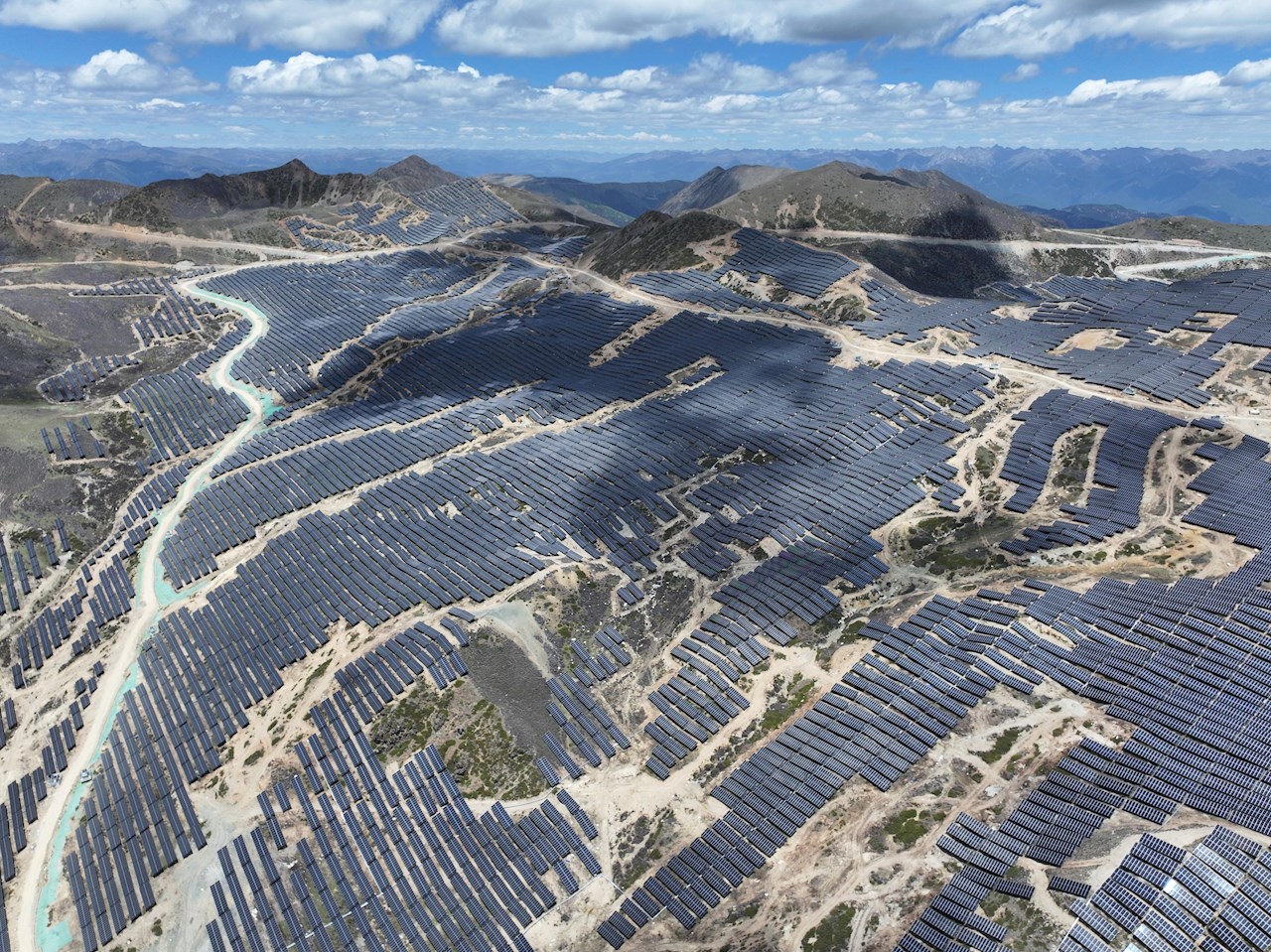
A Chinese solar park at 4,400 meters proves extreme altitude is no barrier—generating nearly 2 billion kWh annually.
THE FACTS: The Yalong River Chabulang solar park sits at an average altitude of 4,400 meters (14,435 feet). Extreme conditions—thin air, intense UV, severe temperature swings, and harsh climate—would make a 1,000 MW solar facility unthinkable. Yet ABB engineered a switchgear and distribution solution specifically designed for high-altitude environments. The solution overcomes extreme conditions with fully sealed enclosures protecting all components, modular construction enabling rapid deployment in remote areas, and remote control capabilities reducing the need for on-site staff in mountainous terrain. The facility is expected to generate 1.944 billion kWh annually—equivalent to saving 600,000 tons of coal and reducing CO2 emissions by 1.55 million tons.
TAKEAWAY: The right engineering approach enables renewable projects to thrive in challenging locations—expanding clean energy production beyond traditional ideal sites.